


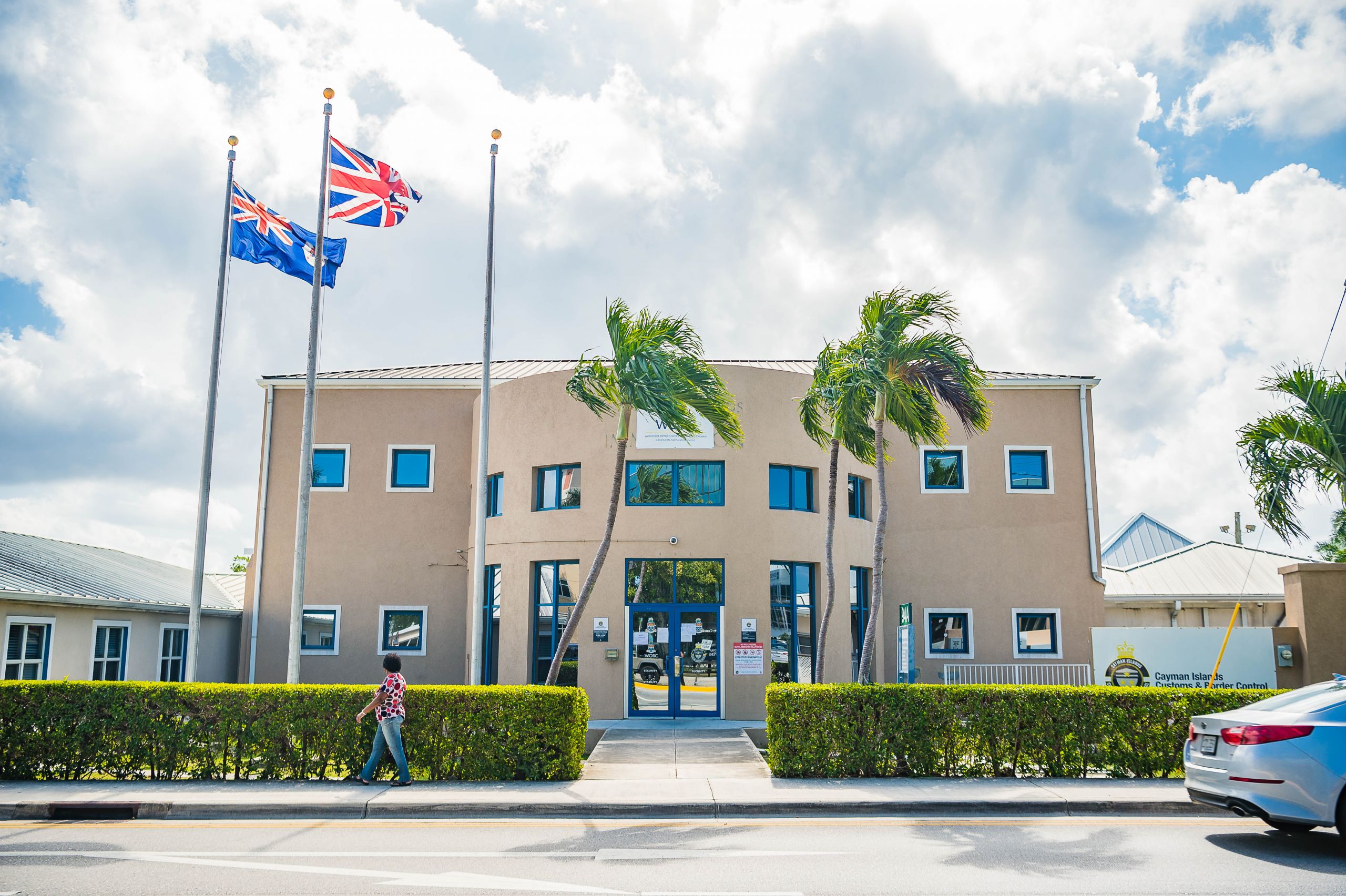
Immigration Minister Michael Myles says the processing of temporary work permits is getting out of hand, with Workforce Opportunities and Residency Cayman dealing with up to 40,000 applications a year, leading to delays in the granting of full work permits.
Myles, who is spearheading wide-ranging immigration reforms that have been subject to a public consultation, outlined the challenges being faced by WORC to lawmakers at an 18 Nov. parliamentary Finance Committee meeting.
While presenting his Caymanian Employment and Immigration Ministry’s plans for the 2026-2027 budget and outlining changes to immigration, labour and training, he told legislators that WORC is processing “an astounding 60,000 applications” of all kinds a year. The vast majority of those – about 40,000 – are for temporary permits and, of those, 30,000 progress into applications for full work permits.
He added that WORC staff often deal with the same individual’s permit applications three times, as the first one is used for probation purposes, then renewed, and then an application for a full permit is submitted.
This overloading of applications means that full work permits are taking up to eight months to process, he said, leading to frustration and inefficiencies, and prompting employers to apply for temporary permits which take less time to get approved.
He told lawmakers the issue had been building up for years, “but now the situation has reached breaking point”.
“Our staff is burning out; the system is failing,” he said, adding that it is a problem that can no longer be ignored. “It’s time to raise the standards of the department of WORC once and for all.”
He said proposed immigration reform will enable the director of WORC and his team to increase enforcement of measures to clamp down on sham marriages and fraudulent work permits “that undermine the integrity of our systems”.
Myles said there are currently about 39,000 active work permits in Cayman, adding that those are expected to increase by at least 1,000 early next year with the opening of new developments and hotels in 2026.
Asked if he would consider abolishing temporary work permits, Myles said he would not. He noted that when short-term permits had been introduced, they were intended to be used by people temporarily working here, like a visiting musician, for example. Now, however, they were now being used as a precursor to full permits to enable a person to begin work on island faster than if they waited for a long-term work permit.
MPs sign off on immigration budget
Members of the Finance Committee approved a budget of $14,066,199 for 2026 and $12,969,529 for 2027 for labour management and residency services for Myles’ ministry.
They also signed off on $150,000 for both years for the ministry’s community development initiatives, as well as $2,430,000 in 2026 and $1,970,000 for equity investment for the ministry.