


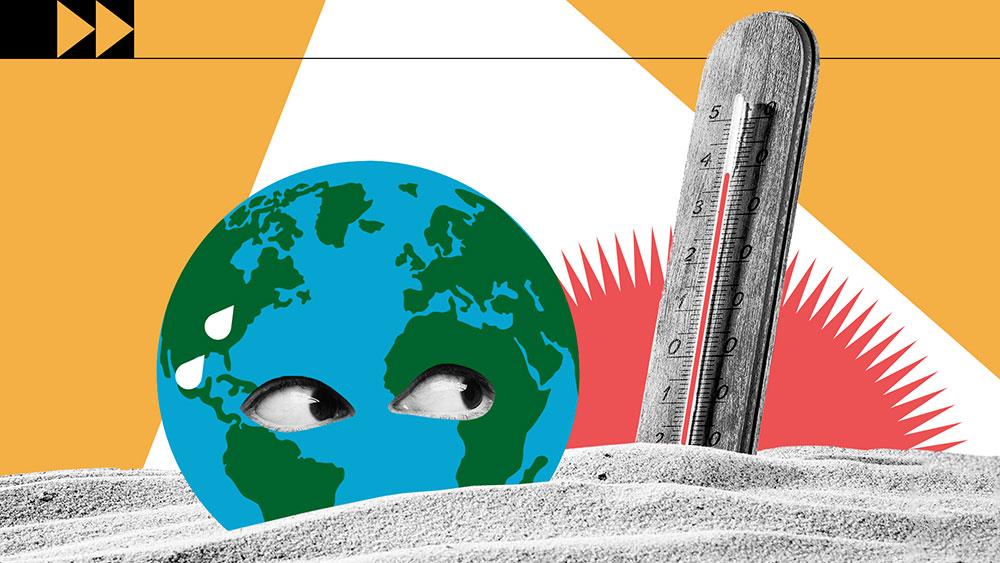
As the sun dips beneath the horizon, casting a golden hue over the turquoise waters of the Caribbean, one might be tempted to think that this tropical paradise is immune to the troubles of the world. But beneath the surface of this breathtaking beauty lies a harsh reality—the looming specter of climate change. The Caribbean, with its vibrant cultures and stunning landscapes, is grappling with an invisible storm that threatens not just its environment, but the very health and well-being of its people.
From the winds of hurricanes that howl with increasing ferocity to the creeping saltwater that erodes coastlines and contaminates fresh water sources, the effects of climate change are palpable and poignant. Families are being torn apart, health systems are straining under unprecedented pressure, and the warm, welcoming smiles of Caribbean communities are now often shadowed by anxiety and uncertainty.
In this article, we will delve deep into the intertwining narratives of climate change and health in the Caribbean. We will explore the profound impact on mental and physical health, the increasing prevalence of diseases fueled by environmental changes, and the stories of resilience that emerge from communities fighting to reclaim their future. Join us as we face this storm together, shedding light on the human toll of climate change and igniting a call to action for a brighter, healthier tomorrow.
Table of Contents
- Understanding the Vulnerability of Caribbean Communities to Climate-Driven Health Crises
- Health Impacts of Climate Change: The Hidden Burden on Caribbean Populations
- Building Resilience: Strategies for Protecting Health in a Changing Climate
- A Call to Action: Empowering Communities Through Advocacy and Education
- Key Takeaways
Understanding the Vulnerability of Caribbean Communities to Climate-Driven Health Crises
The Caribbean is a stunning tapestry of vibrant cultures and breathtaking landscapes, yet its communities stand on the precarious edge of climate-induced health disasters. With rising sea levels and increasingly severe weather patterns, these picturesque islands face unparalleled risks that threaten not just their ecosystems but the very essence of their human fabric. Vulnerabilities in health systems are exacerbated by limited resources, making it crucial to understand the multiple layers of risk that these communities encounter. The intricate relationship between climate change and health outcomes reveals a stark reality: as temperatures rise, so do the incidences of vector-borne diseases like dengue fever and Zika, alongside the growing psychological strain of natural disasters.
Community resilience is undoubtedly challenged, yet opportunities for adaptation and response exist within the very spirit of the Caribbean people. Collective action and local knowledge emerge as powerful tools in navigating these turbulent waters. Emphasizing the role of traditional practices and indigenous wisdom can help elucidate a path forward. Key areas to focus on include:
- Public education: Raising awareness about health risks associated with climate change.
- Investment in health infrastructure: Ensuring that healthcare systems can withstand climate-related stressors.
- Emergency preparedness: Developing robust plans for rapid response to health crises following natural disasters.
By prioritizing these actions, Caribbean communities can foster a culture of resilience that not only protects but empowers their populations in the face of an uncertain future.
Health Impacts of Climate Change: The Hidden Burden on Caribbean Populations
As the Caribbean grapples with the escalating threats posed by climate change, the repercussions on health are both profound and insidious. Rising temperatures and shifting weather patterns are intensifying the frequency of extreme weather events such as hurricanes and floods, which not only wreak havoc on communities but also disrupt crucial health systems. Vulnerable populations, including low-income families and those with pre-existing health conditions, bear the brunt of these changes. Malnutrition, vector-borne diseases, and mental health crises are just a few of the hidden burdens emerging from this perfect storm. The intertwining of environmental and health crises creates a complex web that leaves many Caribbean inhabitants feeling helpless against unpredictable elements that threaten their well-being.
Moreover, the specter of climate change pushes additional stress on public health infrastructures already strained by limited resources and increasing demand. Communities are witnessing a rise in ailments linked to air and water quality as flooding events lead to contamination, while heatwaves exacerbate chronic conditions such as asthma and heart disease. The following factors illustrate the direct connections between climate change and health deterioration in the Caribbean:
- Increased hospital visits: As extreme weather events become more frequent, emergency services are overwhelmed.
- Food insecurity: Disruptions in agricultural production lead to shortages and increased prices.
- Mental health challenges: Post-traumatic stress and anxiety rise following disasters.
Building Resilience: Strategies for Protecting Health in a Changing Climate
In the face of an ever-changing climate, building resilience is not just an option but a necessity for the health of Caribbean communities. The increasing severity of storms, extending droughts, and rising sea levels demand proactive measures. To safeguard our well-being, we must adopt a multifaceted approach, focusing on both individual and collective action. Investing in community health infrastructure is essential. This includes strengthening healthcare facilities to withstand natural disasters, training healthcare providers to respond to climate-related health issues, and enhancing access to mental health services that address climate anxiety.
Moreover, education plays a pivotal role in fostering resilience. By empowering individuals with knowledge about the health impacts of climate change, we can create proactive agents of change within our communities. Key strategies include:
- Promoting sustainable agriculture: Encouraging practices that conserve resources and prepare local farms for extreme weather.
- Improving water and sanitation systems: Ensuring access to clean water amidst changes in rainfall and flooding.
- Developing emergency response plans: Collaborating with local organizations to create comprehensive strategies for health emergencies.
- Building green spaces: Enhancing urban areas with parks and gardens that not only improve air quality but also provide community gathering areas for support.
| Strategy | Impact |
|---|---|
| Community Health Education | Informed citizens can take protective action against climate-related health risks. |
| Strengthened Infrastructure | Resilient facilities can operate effectively during and after climate events. |
| Emergency Preparedness | Reduced morbidity and mortality in the wake of disasters. |
A Call to Action: Empowering Communities Through Advocacy and Education
As the Caribbean faces the relentless advance of climate change, it’s crucial for communities to unite and take a stand. This isn’t just about rising sea levels or stronger hurricanes; it’s about our health and well-being. Advocacy can take many forms, from grassroots organizing to participating in local government. We must educate ourselves and our neighbors on the pressing issues affecting our health due to climate change. Overwhelming heat waves, deteriorating air quality, and increasing vector-borne diseases demand our attention. To make an impact, consider engaging in initiatives such as:
- Host workshops on sustainable living practices.
- Support local farmers who practice eco-friendly agriculture.
- Promote mental health awareness regarding climate anxiety.
- Advocate for accessible healthcare that addresses climate-related illnesses.
When communities come together, their collective voice can influence policy and foster resilience. Education is our most powerful tool—by sharing knowledge, we can create a ripple effect that empowers individuals to make informed choices. We need to equip our communities with the understanding of how climate change impacts public health. A collaborative approach could involve:
| Action | Community Impact |
|---|---|
| Establish community gardens | Improve food security and nutrition |
| Organize beach clean-ups | Enhance local environments and health |
| Conduct climate health forums | Raise awareness and build resilience |
Through these efforts, we can empower not only ourselves but future generations. It is not merely an act of survival; it’s a commitment to nurture our communities in the face of adversity and foster a healthier Caribbean. Let’s ignite the change we wish to see.
Key Takeaways
As we draw the curtain on this exploration of “,” it’s impossible to ignore the profound emotional weight of the stories we’ve shared. The Caribbean, with its vibrant cultures and breathtaking landscapes, is not just a paradise for tourists; it’s home to countless families and communities who are grappling with the relentless realities of a changing climate.
We’ve witnessed how rising temperatures, erratic weather patterns, and the intensifying fury of storms are not only reshaping our beautiful islands but are also leaving indelible marks on the physical and mental health of our people. From the outbreak of diseases to the loss of livelihoods and the suffocating grasp of anxiety, the impacts are far-reaching and deeply personal.
But amidst the shadows that loom over our future, there is resilience—fierce, unyielding, and full of hope. The Caribbean spirit has always thrived in the face of adversity, and now more than ever, it’s crucial for us to come together, advocate for change, and support one another. Our health, our environment, and our very survival depend on our collective action.
Let this not merely be an article you read but a call to heart; a reminder that the battle against climate change is not just an environmental issue—it’s a fight for our lives, our health, and the generations yet to come. Let’s stand firm, educate ourselves, and take steps, however small, to protect this precious Caribbean legacy.
Together, we can face the storm—turning our grief into action, our anger into advocacy, and our hope into healing. After all, if we work hand in hand, the promise of a brighter, healthier future for the Caribbean is not just a dream; it’s a destination we can reach together. 🌍❤️