


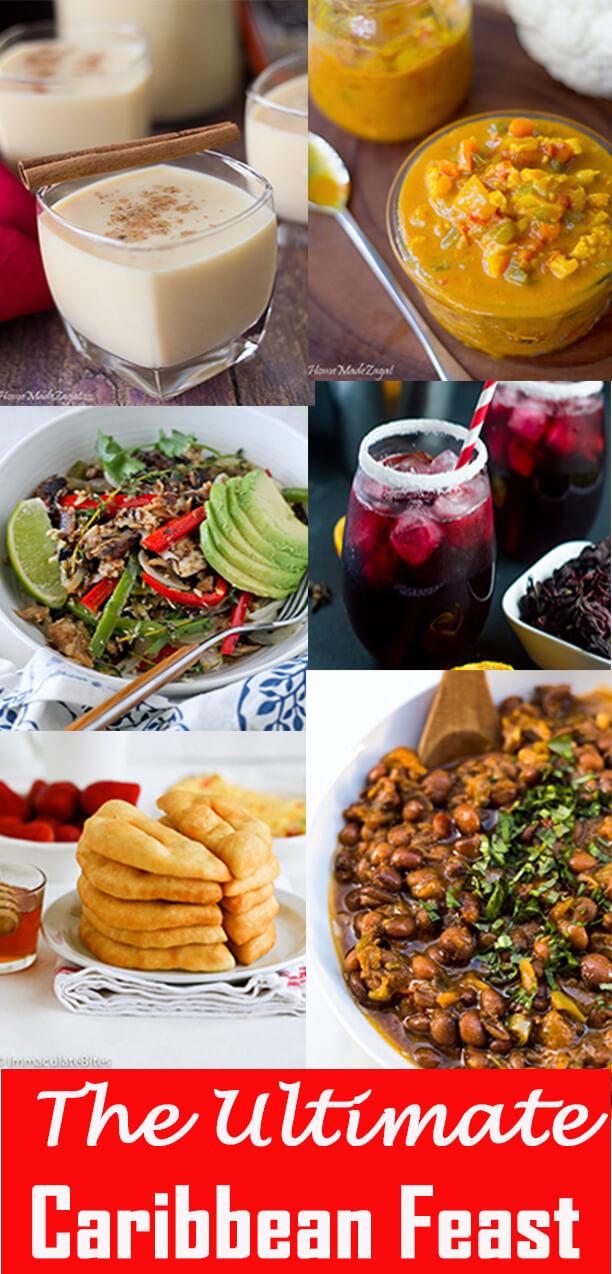
As the air turns crisp and the holiday season approaches, many cultures around the world embrace the spirit of togetherness and celebration through their culinary traditions. In the vibrant mosaic of the Caribbean, this festive time is no exception. The islands come alive with a rich tapestry of flavors, aromas, and colors that reflect the diverse heritage of their peoples. From tantalizing spice blends to succulent seafood feasts, Caribbean holiday foods are a celebration of life, culture, and community. In this article, we’ll take you on a delectable journey through the culinary delights that define the Caribbean’s festive season, exploring traditional dishes, regional specialties, and the stories behind them. Join us as we savor the heartwarming flavors and festive feasts that bring friends and family together in joyous celebration across the islands.
Table of Contents
- Exploring Traditional Caribbean Dishes for Holiday Celebrations
- The Role of Local Ingredients in Caribbean Festive Feasts
- Must-Try Desserts that Sweeten Caribbean Holiday Gatherings
- Cultural Influences on Caribbean Culinary Traditions During the Holidays
- The Conclusion
Exploring Traditional Caribbean Dishes for Holiday Celebrations
The Caribbean is a vibrant tapestry of cultures and traditions, and its holiday celebrations come alive through an array of traditional dishes that reflect its rich heritage. Christmas in the Caribbean is often marked by sorrel drink, a refreshing beverage made from sorrel flowers, spices, and often a hint of rum. Another beloved dish is pastellón, a savory pie made with layers of sweet plantains, ground meat, and cheese, which is sure to satisfy the heart and soul of any gathering. Alongside these, you might also find rice and peas, seasoned with coconut milk and spices, serving as a colorful and flavorful staple on any festive table.
No holiday feast is complete without a dessert, and the Caribbean has plenty to offer. Black cake, a dense fruitcake soaked in rum and packed with dried fruits, is a traditional favorite, while coconut tart brings a sweet, tropical twist to the dessert spread. To help you navigate this delicious world, here’s a simple table highlighting some must-try dishes along with their key ingredients:
| Dishes | Main Ingredients |
|---|---|
| Sorrel Drink | Sorrel flowers, ginger, cloves, rum |
| Pastellón | Sweet plantains, ground meat, cheese |
| Rice and Peas | Rice, kidney beans, coconut milk, spices |
| Black Cake | Dried fruits, dark rum, spices |
| Coconut Tart | Coconut, sugar, lime juice, pastry crust |
The Role of Local Ingredients in Caribbean Festive Feasts
The vibrant tapestry of Caribbean festive feasts is beautifully woven with the use of local ingredients, reflecting the rich cultural heritage and culinary diversity of the islands. Each celebration, whether it be Christmas, Diwali, or Easter, showcases a medley of flavors that tell the story of the land and its people. Locally sourced components like fresh seafood, seasonal fruits, and spices play a pivotal role in these holiday dishes, enhancing their authenticity and relevance. The traditional use of ingredients such as:
- Callaloo – Savory leafy greens that often take center stage in soups and stews.
- Plantains – Whether fried or baked, these starchy fruits add a touch of sweetness and texture.
- Hot Peppers – Providing a signature kick to many dishes, reflecting the islands’ love for heat.
Moreover, the practice of incorporating local flavors not only supports regional agriculture but also fosters a sense of community during festive gatherings. Guests and families come together, sharing dishes that highlight their unique island heritage. Take, for example, the classic Christmas ham, often glazed with local spices and fruity marinades, or the popular ‘sorrel’ drink made from the hibiscus flower, which gives a festive hue to any table setting. These traditional recipes are often passed down through generations, ensuring that they evolve while still maintaining a connection to their roots.
| Local Ingredient | Usage in Festive Feasts |
|---|---|
| Local Seafood | Grilled or steamed with seasonal spices |
| Coconut | Used in desserts and savory dishes |
| Turmeric | Coloring and flavoring rice dishes |
Must-Try Desserts that Sweeten Caribbean Holiday Gatherings
Caribbean holiday gatherings come alive with an array of irresistible desserts that tantalize the taste buds and showcase the islands’ vibrant culinary heritage. From the rich, aromatic spices of the region to the luscious tropical fruits, each sweet treat tells a story of cultural fusion and tradition. Key Lime Pie, with its tangy yet creamy filling, is a classic that delivers a refreshing contrast to the hearty holiday feasts. Another popular choice is the Black Cake, a moist fruitcake soaked in rum and adorned with rich flavors—often the centerpiece of many festive tables. For those who crave lighter options, Coconut Tarts filled with sweetened coconut and spices present a delightful way to finish a meal.
Sectioning off a special corner for desserts is a must, and there are countless options to choose from. Bread Pudding drizzled with a warm rum sauce offers comfort and indulgence, while Pineapple Upside-Down Cake adds a tropical flair with its caramelized fruit topping. For a bite-sized treat, Gizzada, also known as coconut tarts, provides a perfect crunchy shell filled with a spiced coconut mixture, making it a great addition to any dessert platter. Here’s a quick look at these sweet delights:
| Dessert | Main Ingredient | Flavor Profile |
|---|---|---|
| Key Lime Pie | Key Limes | Tangy and Creamy |
| Black Cake | Dried Fruits | Rich and Spiced |
| Coconut Tarts | Coconut | Sweet and Tropical |
| Bread Pudding | Stale Bread | Warm and Comforting |
| Pineapple Upside-Down Cake | Pineapple | Sweet and Caramelized |
| Gizzada | Coconut | Crunchy and Spiced |
Cultural Influences on Caribbean Culinary Traditions During the Holidays
The culinary landscape of the Caribbean during the holidays is a vibrant tapestry woven from diverse cultural influences. Each island boasts its own unique spin, yet common threads of tradition bind them together. African, European, and Indigenous influences interlace to create a festive culinary experience that is as rich as the region’s history. Spices, flavors, and cooking techniques reflect this multicultural heritage, with dishes often featuring local ingredients like fresh seafood, root vegetables, and tropical fruits. The use of marinades and rubs infused with herbs and spices is a hallmark of Caribbean cooking, adding depth to beloved holiday staples.
Mainstays on celebratory tables often include items such as jerk meats—which flaunt their origins in Jamaican street food culture—and pasteles, a nod to the island’s Spanish colonial past. Traditional side dishes like rice and peas, callaloo, and plantains offer a taste of home, while desserts such as black cake and coconut sorrel showcase the sweet side of holiday feasting. Here’s a quick look at some popular holiday dishes and their cultural roots:
| Dishes | Cultural Influences |
|---|---|
| Jerk Chicken | Afro-Caribbean |
| Pasteles | Spanish & Indigenous |
| Rice and Peas | Afro-Caribbean |
| Black Cake | British |
| Coconut Sorrel | West Indian |
The Conclusion
As we wrap up our culinary journey through the vibrant and flavorful world of Caribbean holiday foods and festive feasts, it’s clear that the spirit of the season is alive and well in every dish. From the aromatic spices of Jamaica’s jerk chicken to the rich, comforting embrace of a Trinidadian pastelle, these traditional recipes are not just meals—they are a celebration of culture, family, and community.
Savoring the Caribbean is about more than just filling our plates; it’s an invitation to gather around the table, share stories, and create lasting memories. Whether you’re planning a festive gathering or simply looking to spice up your everyday meals, incorporating Caribbean flavors can make your holiday season all the more special.
We hope this exploration has inspired you to embrace the warmth of Caribbean cuisine and perhaps try your hand at some new recipes. As you celebrate your own festive meals, remember that each bite is a tribute to the rich traditions and vibrant cultures that characterize this beautiful region.
Thank you for joining us on this flavorful journey. Here’s to a season filled with joy, laughter, and delicious food that brings us together! Happy feasting, and see you next time for more culinary adventures!