


Title:
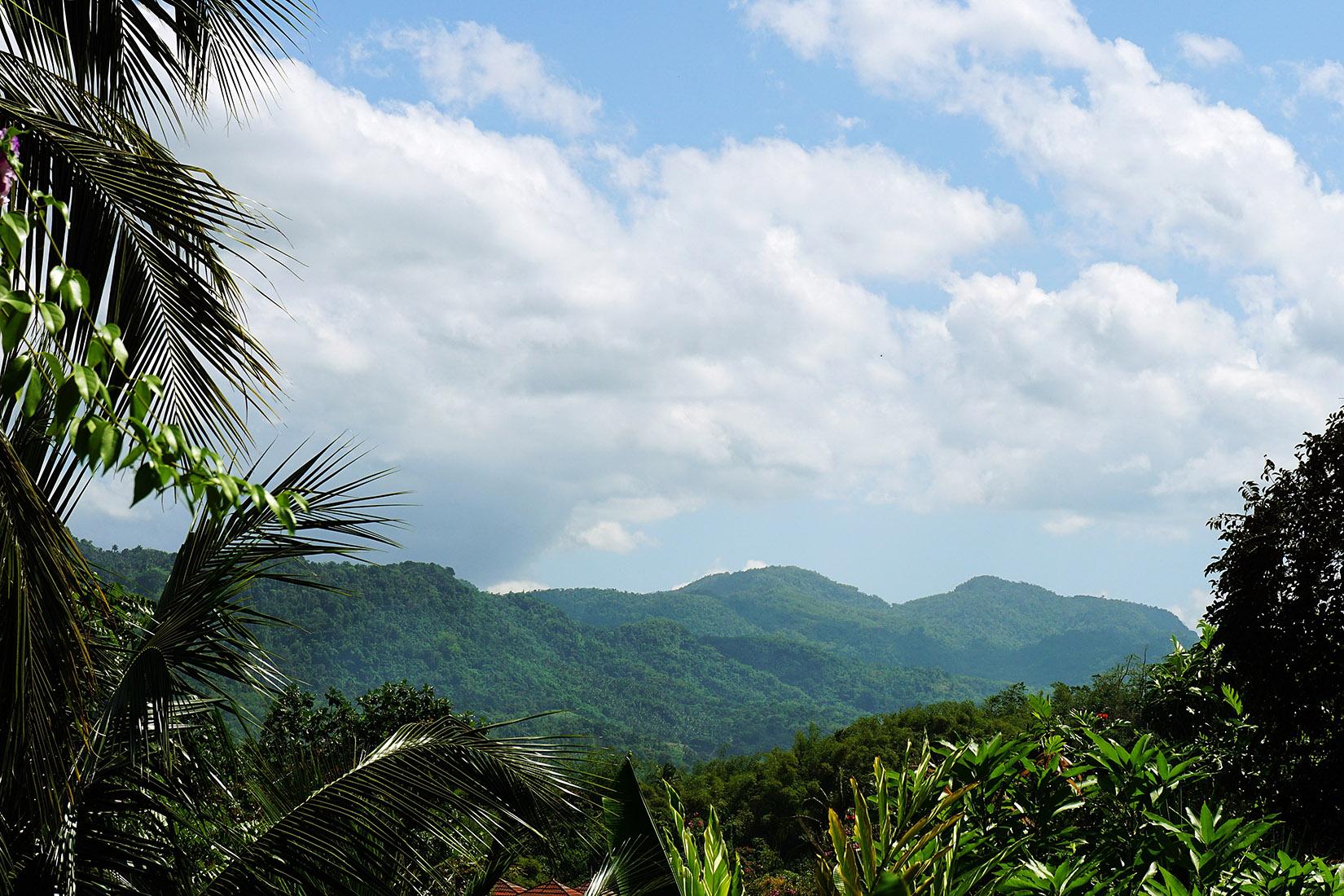
As the world grapples with the accelerating impacts of climate change, the importance of natural solutions has never been more critical. Among these, the lush, vibrant forests of the Caribbean stand out not only for their breathtaking beauty but also for their essential role in the global fight against carbon emissions. These unique ecosystems harbor rich biodiversity and serve as vital carbon sinks, absorbing and storing carbon dioxide from the atmosphere, thus mitigating the effects of climate change. However, the Caribbean’s forests face significant threats from deforestation, climate variability, and land-use changes, jeopardizing their ability to function as effective carbon reservoirs. In this article, we delve into the importance of Caribbean forests in our climate solutions, explore their ecological significance, and highlight the urgent need for conservation and sustainable management to ensure they continue to thrive in the face of adversity. Join us as we uncover how protecting these vital ecosystems can not only support local communities but also contribute to global efforts in achieving climate resilience.
Table of Contents
- Understanding the Role of Caribbean Forests in Global Carbon Sequestration
- Biodiversity and Ecosystem Services: The Hidden Benefits of Caribbean Forests
- Strategies for Protecting and Restoring Caribbean Forests
- Community Involvement and Sustainable Practices in Forest Conservation
- Final Thoughts
Understanding the Role of Caribbean Forests in Global Carbon Sequestration
Caribbean forests are more than just lush landscapes; they are critical players in the global fight against climate change. These diverse ecosystems sequester significant amounts of carbon dioxide, helping to mitigate the effects of greenhouse gas emissions on the planet. The unique makeup of Caribbean forests, comprising tropical hardwoods, mangroves, and unique biodiversity, allows them to store carbon in their biomass, soil, and leaf litter. The role these forests play can be summarized as follows:
- Carbon Storage: Large trees and densely packed vegetation effectively absorb and store carbon during photosynthesis.
- Soil Sequestration: Healthy forest ecosystems enrich the soil, enhancing its ability to store carbon for long periods.
- Biodiversity Importance: A rich diversity of species enhances overall forest resilience and maximizes carbon capture capabilities.
The impact of Caribbean forests extends beyond carbon storage, contributing to local and global climate regulation. Coastal mangroves, for instance, are particularly important as they not only sequester substantial amounts of carbon below the ground but also protect coastlines from storm surges and erosion, which have been exacerbated by climate change. To emphasize the importance of these ecosystems, consider the following table showing their potential carbon storage compared to other forest types:
| Forest Type | Average Carbon Storage (tonnes/ha) |
|---|---|
| Tropical Rainforest | 150-250 |
| Deciduous Forest | 70-150 |
| Mangrove Forest | 400-500 |
| Caribbean Pine Forest | 75-125 |
Biodiversity and Ecosystem Services: The Hidden Benefits of Caribbean Forests
The Caribbean forests are not just stunning landscapes; they play a crucial role in maintaining the intricate balance of our ecosystems. These lush environments harbor a remarkable array of flora and fauna, boasting a diversity that is not only beautiful but vital for ecological stability. The hidden benefits of these forests include:
- Habitat Preservation: They provide shelter for numerous endemic species, many of which are not found anywhere else on the planet.
- Pollination Services: Various insect species, particularly bees and butterflies, thrive in these forests, contributing to the pollination of many plants, crucial for food production.
- Water Regulation: Forests play a key role in the hydrological cycle, helping to filter and replenish groundwater supplies.
- Soil Protection: The root systems of trees help to prevent soil erosion, maintaining land stability and health.
Furthermore, the cultural significance of these forests cannot be underestimated. Local communities often rely on them for their livelihood through sustainable practices like agroforestry and ecotourism. They also serve as a source of traditional medicine, drawing on the rich biodiversity that has been preserved for generations. The integration of indigenous knowledge with conservation efforts can bolster these ecosystems further, ensuring that they continue to provide both natural and cultural resources. A table below highlights some key ecosystem services provided by Caribbean forests:
| Ecosystem Service | Description |
|---|---|
| Carbon Sequestration | Storing carbon dioxide to mitigate climate change effects. |
| Biodiversity Conservation | Protecting numerous plant and animal species, many of which are endangered. |
| Recreational Opportunities | Providing spaces for tourism, recreation, and education. |
| Aesthetic Value | Enhancing the beauty of the landscape and enriching the local culture. |
Strategies for Protecting and Restoring Caribbean Forests
To effectively protect and restore the Caribbean’s invaluable forests, a multi-faceted approach is necessary. Community engagement is fundamental; involving local populations in conservation efforts ensures that they have a stake in the health of their environment. Programs that promote sustainable land-use practices can mitigate deforestation caused by agriculture and development. Key strategies include:
- Reforestation initiatives: Planting native species to restore degraded areas enhances biodiversity and carbon sequestration.
- Protected areas: Establishing reserves that safeguard critical habitats from encroachment keeps ecosystems intact.
- Ecotourism: Promoting sustainable tourism can provide economic incentives for communities to prioritize forest conservation.
In addition to engaging communities, integrating modern technology into conservation efforts offers new avenues for success. Remote sensing and GIS mapping can help track forest cover changes, guiding restoration efforts effectively. Furthermore, fostering partnerships with NGOs and international organizations can amplify local initiatives and channel funds for conservation projects. Essential actions include:
- Carbon credit programs: Leveraging global climate funding to invest in local forest preservation.
- Education and outreach: Raising awareness about the ecological and economic importance of forests fosters a culture of stewardship.
- Research collaborations: Partnering with academic institutions for resilient forest management practices enhances adaptive capacity.
Community Involvement and Sustainable Practices in Forest Conservation
Communities play a pivotal role in the stewardship of Caribbean forests, leveraging local knowledge and cultural practices to enhance conservation efforts. By actively engaging with their natural surroundings, these communities foster a sense of ownership and responsibility towards sustaining their forest ecosystems. Initiatives such as local reforestation projects and the establishment of protected areas are often spearheaded by community members, reflecting their commitment to ecological preservation. Collaborative efforts between local organizations and environmental NGOs provide essential training and resources, empowering residents to implement sustainable land-management practices that protect and rejuvenate their vital carbon sinks.
In addition to advocacy and education, community involvement also promotes innovative sustainable practices that directly impact forest health. Some of these effective strategies include:
- Agroforestry: Integrating trees with agricultural crops to enhance biodiversity and soil health.
- Responsible tourism: Creating eco-friendly travel opportunities that benefit both the economy and the environment.
- Community forest management: Involving locals in decision-making processes to balance conservation with resource use.
By uniting for a common cause, Caribbean communities not only safeguard their forests but also improve their resilience against climate change. Effective knowledge-sharing networks and participation in global conservation dialogues amplify local voices, showcasing Caribbean forests as essential allies in the quest for a sustainable future.
Final Thoughts
Caribbean forests play a pivotal role in combating climate change, acting as vital carbon sinks that not only sequester greenhouse gases but also support biodiversity, protect watersheds, and sustain local economies. As we face an increasingly urgent climate crisis, the preservation and restoration of these unique ecosystems must be prioritized. Governments, businesses, and communities need to work collaboratively to implement sustainable practices that safeguard these forests for future generations.
By investing in the health of Caribbean forests, we not only enhance our planet’s resilience to climate change but also enrich the lives of countless individuals who depend on these ecosystems for their livelihood. As we move forward, let’s recognize the intrinsic value of our natural landscapes and the crucial part they play in global climate solutions. Together, we can contribute to a more sustainable and balanced world, ensuring that the beauty and functionality of Caribbean forests continue to thrive. Thank you for joining us on this journey toward a greener future!