


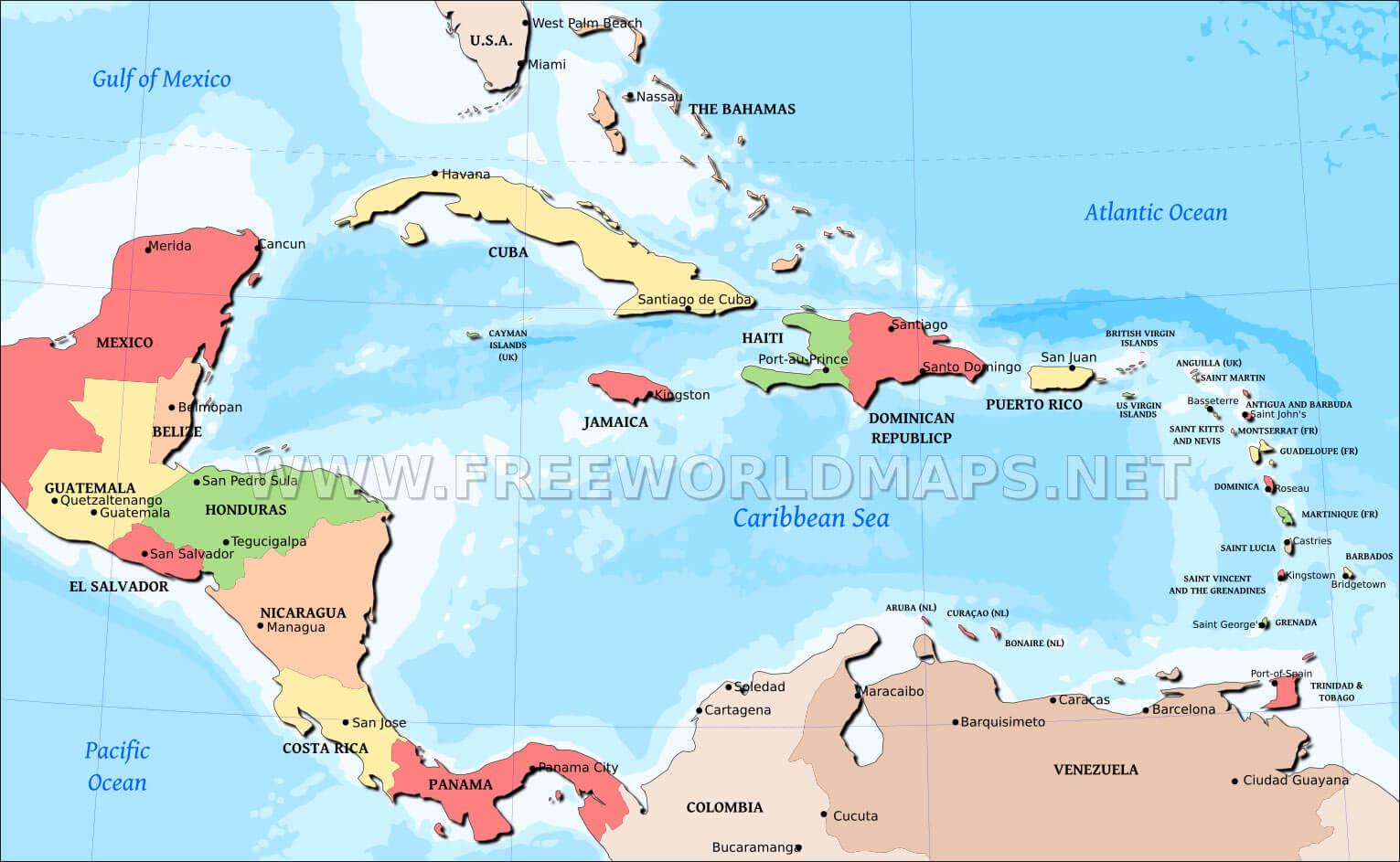
As the world grapples with the escalating impacts of climate change, Caribbean nations are emerging as formidable advocates in the global dialog on environmental sustainability. With their unique vulnerabilities to rising sea levels, extreme weather events, and biodiversity loss, these island nations are not only threatened by climate change but are also at the forefront of pushing for decisive action and collaborative solutions. In recent months, Caribbean leaders have intensified their efforts to rally support, garner resources, and promote innovative policies aimed at addressing the pressing challenges posed by a warming planet. This article explores the strategic initiatives undertaken by Caribbean countries, their roles in international forums, and the collective voice they are shaping in the fight against climate change. As they strive to protect their fragile ecosystems and secure a sustainable future, the Caribbean region stands as a crucial player in the global climate advocacy landscape.
Table of Contents
- Caribbean Leaders Unite for Climate Action: A Call to Global Responsibility
- Innovative Strategies from Caribbean Nations to Combat Climate Vulnerability
- Strengthening Resilience: Policy Recommendations for Sustainable Development
- Building Alliances: The Role of Caribbean Nations in International Climate Dialogue
- In Conclusion
Caribbean Leaders Unite for Climate Action: A Call to Global Responsibility
In a historic gathering, Caribbean leaders from nations heavily impacted by climate change joined forces to amplify their voices in the global discourse on climate action. The coalition underscored the urgent need for transformative measures, aiming not only to protect vulnerable island nations but also to contribute positively to the global climate agenda. By embracing a unified stance, these leaders are calling on the international community to recognize their plight and take responsibility for climate justice through actionable support and sustainable development policies.
Key discussions among the leaders highlighted several critical points, including:
- Resilience Building: Enhancing infrastructure to withstand extreme weather events.
- Energy Transition: Shifting towards renewable energy sources to reduce carbon footprints.
- Investment in Adaptation: Securing funding for initiatives that protect ecosystems.
- Knowledge Sharing: Collaborating on research and strategies for climate mitigation.
To further solidify their message, the leaders proposed a framework for climate action that includes specific goals and commitments, aiming for a sustainable future. Below is a snapshot of their proposed initiatives:
| Initiative | Description | Impact |
|---|---|---|
| Coastal Protection | Integrating natural solutions for coastal erosion mitigation. | Safeguarding habitats and communities. |
| Water Management | Implementing sustainable practices for freshwater resources. | Ensuring water security for all residents. |
| Education Programs | Launching climate change awareness initiatives in schools. | Empowering future generations with knowledge. |
Innovative Strategies from Caribbean Nations to Combat Climate Vulnerability
In response to the myriad challenges posed by climate change, Caribbean nations have initiated a range of innovative strategies aimed at mitigating vulnerability. Through collaboration, these countries are enhancing their disaster resilience by investing in early warning systems and strengthening infrastructure. For instance, nations like Jamaica and Barbados have integrated climate modeling into urban planning processes, ensuring that developments are prepared for extreme weather events. Additionally, various governments are harnessing renewable energy sources such as solar and wind power, which not only reduce carbon footprints but also provide energy security in the face of potential climate-related disruptions.
Moreover, Caribbean nations are prioritizing community engagement and education to foster awareness around climate change challenges. Initiatives such as local workshops and school programs empower citizens to adopt sustainable practices. The region is also exploring coastal restoration projects to enhance natural defenses against rising sea levels and storm surges. A recent collaborative project, detailed in the table below, showcases successful implementations across the Caribbean:
| Country | Strategy | Impact |
|---|---|---|
| Jamaica | Climate Resilient Corridors | Improved road infrastructure and access to services |
| Barbados | Bluetech Initiative | Increased marine biodiversity and tourism |
| Dominican Republic | Community-based Tree Planting | Enhanced soil stability and habitat restoration |
Strengthening Resilience: Policy Recommendations for Sustainable Development
The Caribbean region stands at the forefront of climate change challenges, necessitating robust policy measures aimed at enhancing resilience and promoting sustainable development. To address these issues effectively, it is imperative that Caribbean nations adopt a multi-faceted approach, integrating climate adaptation strategies into their national development plans. Key recommendations include:
- Investment in Renewable Energy: Encourage the transition to renewable energy sources, such as solar and wind, to reduce dependency on fossil fuels.
- Strengthened Disaster Preparedness: Establish comprehensive disaster management frameworks that incorporate early warning systems and community training.
- Biodiversity Conservation: Implement measures that protect ecosystems, thereby enhancing natural defenses against climate impacts.
- Regional Collaboration: Foster partnerships between nations to share resources, knowledge, and technologies.
Furthermore, it is vital to consider the socio-economic dimensions of sustainability. Policies must prioritize vulnerable communities, ensuring equitable access to resources and opportunities for all. This requires:
- Inclusive Policy Frameworks: Engage various stakeholders, including local communities and marginalized groups, in policy formulation.
- Education and Awareness Programs: Promote climate literacy to empower citizens to take proactive measures in their communities.
- Funding for Sustainable Projects: Mobilize investments for projects that integrate environmental sustainability with economic benefits.
| Policy Areas | Proposed Actions |
|---|---|
| Energy Transition | Incentives for solar and wind projects |
| Community Engagement | Workshops for local decision-making |
| Disaster Management | Community drills and response training |
| Ecosystem Protection | Coral reef restoration initiatives |
Building Alliances: The Role of Caribbean Nations in International Climate Dialogue
The Caribbean region is stepping onto the global stage, uniting its voice to advocate for urgent action on climate change. With its unique geographical vulnerabilities—such as rising sea levels and extreme weather patterns—Caribbean nations recognize that they face significant threats that necessitate collaborative efforts. These nations are not merely reacting to global decisions; they are proactively participating in international climate dialogues, pushing for policies that reflect their needs and challenges. Their collective engagement emphasizes the importance of equitable climate financing and the adoption of sustainable practices that can mitigate climate risks.
Through forums like COP (Conference of the Parties) and various bilateral dialogues, Caribbean nations are forging strategic alliances to amplify their message. These partnerships often emphasize the following objectives:
- Strengthening advocacy: Caribbean states are collaborating to highlight the urgent need for global awareness and action.
- Knowledge-sharing: Nations are pooling resources and expertise to implement adaptation and resilience strategies.
- Policy influence: Collectively, they are aimed at influencing international policies that directly impact small island developing states.
| Nation | Key Initiative |
|---|---|
| Jamaica | National Climate Change Policy |
| Barbados | Renewable Energy Action Plan |
| Dominica | Climate Resilience and Recovery Plan |
By building these alliances, Caribbean nations not only strengthen their advocacy efforts but also present a unified front that underscores the critical need for immediate action. Their continued collaboration serves as a beacon of hope and resilience, demonstrating that the impact of climate change transcends borders and requires a coordinated response from all nations.
In Conclusion
As the Caribbean faces the imminent threats posed by climate change, nations across the region are uniting to amplify their voices on the global stage. This newfound solidarity not only highlights the urgent need for international support and sustainable practices but also showcases the resilience and innovative spirit of Caribbean communities. By engaging with global frameworks and advocating for tailored solutions, these nations are not just seeking to protect their own environments but are also contributing to the broader discourse on climate justice. As this movement gains momentum, the global community must recognize the critical importance of collaborative action and investment in vulnerable regions. The Caribbean’s fight against climate change serves as a reminder that the consequences of inaction will be felt worldwide, and it is paramount that we all embark on a path towards sustainable development and climate resilience. The ripple effects of this advocacy could shape policies and inspire initiatives far beyond the Caribbean, ultimately fostering a more equitable and sustainable future for all.