


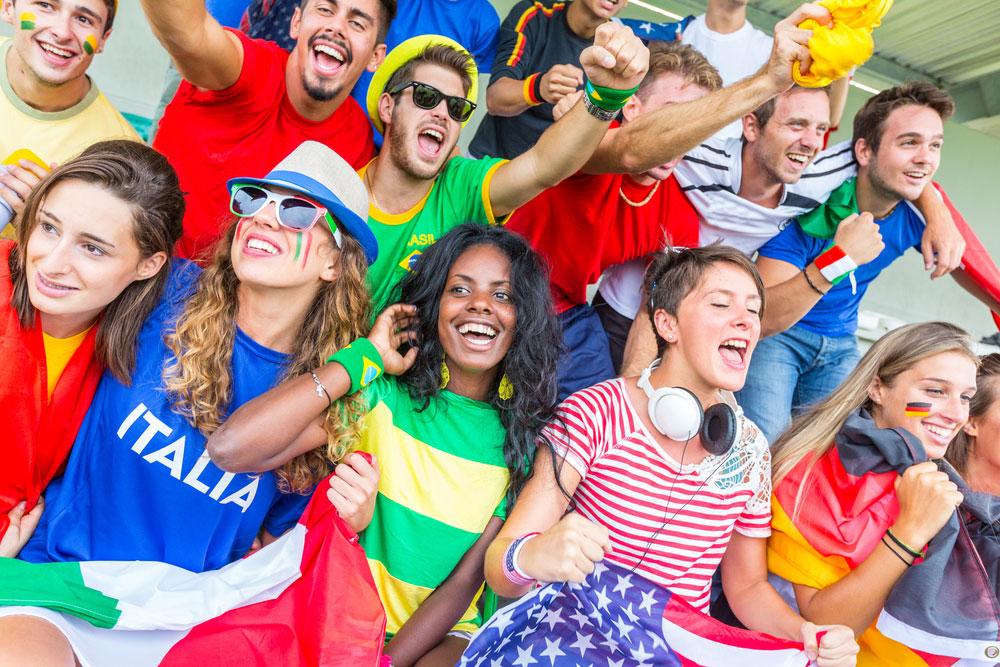
In recent years, the Caribbean has emerged as a vibrant hub for sports tourism, attracting millions of visitors eager to engage in a diverse array of athletic activities against a backdrop of stunning landscapes and rich cultural heritage. From cricket in the West Indies to sailing regattas in Antigua, the region’s unique blend of sports, natural beauty, and warm hospitality has positioned it as an increasingly popular destination for sports enthusiasts and travelers alike. This article delves into the factors driving the growth of sports tourism in the Caribbean, examines key events that have put the region on the international sports map, and highlights the economic impact this burgeoning sector has on local communities. As the Caribbean continues to invest in sports infrastructure and marketing, the synergy between sports and tourism is poised to reshape the region’s economic landscape in the years to come.
Table of Contents
- Understanding the Growth Factors Behind Sports Tourism in the Caribbean
- Key Destinations Leading the Charge in Sports Tourism Development
- Economic Impact and Opportunities for Local Communities
- Strategic Recommendations for Sustainable Sports Tourism Initiatives
- The Conclusion
Understanding the Growth Factors Behind Sports Tourism in the Caribbean
The Caribbean has become a vibrant hub for sports tourism, fueled by a unique blend of natural beauty, cultural richness, and an array of sporting events that attract visitors from around the globe. Factors contributing to this growth include:
- Diverse Sporting Events: From cricket and football to sailing and marathons, the Caribbean offers a variety of sports that cater to different interests and skill levels.
- Natural Attractions: The region’s stunning landscapes, beaches, and year-round pleasant climate provide a backdrop that enhances the sporting experience.
- Cultural Festivals: Many events are intertwined with local festivities, allowing tourists to engage in authentic cultural experiences while participating in sports.
- Investment in Infrastructure: Improved sports facilities and accommodations have made it easier for organizers to host international events.
Moreover, strategic partnerships between governments, local tourism boards, and sports federations have played a crucial role in promoting the Caribbean as a sports destination. This collaboration has led to:
| Partnership Type | Benefits |
|---|---|
| Government Initiatives | Increase funding and resources for sports infrastructure. |
| Local Businesses | Boosting economic growth through tourism-related commerce. |
| International Organizations | Organizing high-profile events that enhance global visibility. |
This collective effort not only promotes sports tourism but also fosters community engagement and local pride, ensuring sustained growth and visibility for the Caribbean on the international sports stage.
Key Destinations Leading the Charge in Sports Tourism Development
As the Caribbean continues to embrace the potential of sports tourism, several locations stand out for their innovative approaches and infrastructure development. Barbados, with its rich sporting culture, has effectively harnessed its cricketing legacy to attract international tournaments, creating a vibrant atmosphere that draws both fans and players. Meanwhile, Jamaica is leveraging its global identity in track and field, hosting competitions that highlight the island’s athletic prowess and its hospitality capabilities. Other destinations like the Bahamas are investing significantly in water sports facilities, targeting the booming interest in sailing and water polo.
Furthermore, the integration of wellness and sports has led St. Lucia to promote adventure sports, such as hiking and triathlons, against the backdrop of its stunning natural beauty. In contrast, Trinidad and Tobago are focusing on traditional sports like cricket and football, aiming to foster grassroots programs that not only build local talent but also attract international sporting events to boost tourism. The trend is clear: Caribbean nations are developing unique sports tourism models that reflect their individual cultures while contributing to the region’s economy.
Economic Impact and Opportunities for Local Communities
The rise of sports tourism in the Caribbean region presents a profitable opportunity for local communities, driving economic growth and enhancing the quality of life for residents. As avid sports enthusiasts flock to these vibrant islands for events such as marathons, sailing competitions, and cricket matches, a variety of sectors stand to benefit:
- Hospitality: Increased demand for hotels, restaurants, and guesthouses.
- Transportation: Growth in local transport services, including taxis and shuttle services.
- Retail: Boost to local shops and markets, particularly those offering sports gear and souvenirs.
- Employment: Creation of job opportunities in event management and related sectors.
Moreover, the influx of tourists for sporting events brings with it a catalyst for infrastructure development. Improved facilities can lead to lasting benefits, as seen in the following table:
| Infrastructure Investment | Expected Benefits |
|---|---|
| Sports Complexes | Enhanced sporting capabilities and community engagement. |
| Road Improvements | Better access to tourism hotspots and facilities. |
| Public Transport Upgrades | Increased efficiency and convenience for both tourists and locals. |
Strategic Recommendations for Sustainable Sports Tourism Initiatives
To harness the potential of sports tourism in the Caribbean, stakeholders should focus on developing a comprehensive framework that emphasizes not only economic growth but also social and environmental sustainability. Collaborative partnerships between local governments, private sectors, and community organizations can play a pivotal role in this initiative. Key strategies include:
- Infrastructure Development: Upgrading facilities and transportation to accommodate international events.
- Community Engagement: Involving local communities in planning processes to ensure their needs and values are respected.
- Eco-friendly Practices: Implementing sustainable practices in sporting events to minimize environmental impact.
Moreover, promoting year-round events can help mitigate the seasonality of tourism and create more balanced economic benefits across the region. A solid marketing strategy that highlights the Caribbean’s unique sports offerings should be employed. This strategy might include:
- Digital Campaigns: Utilizing social media platforms to showcase events and destinations.
- Partnerships with Influencers: Engaging with sports influencers to reach a broader audience.
- Packages for Tourists: Offering comprehensive travel packages that combine sporting events with cultural experiences.
| Initiative | Expected Outcomes |
|---|---|
| Community Involvement | Stronger local support and enhanced cultural exchange |
| Sustainable Event Practices | Reduced environmental footprint of sporting events |
| Year-Round Events | Increased tourist inflow beyond peak seasons |
The Conclusion
the emergence of sports tourism in the Caribbean region marks a significant shift in both the tourism industry and the local economies. With a diverse array of events ranging from world-class sailing competitions to international cricket matches, the Caribbean is positioning itself as a premier destination for sports enthusiasts. As stakeholders collaborate to enhance infrastructure, diversify offerings, and promote unique cultural experiences, the potential for growth in this sector is immense. By embracing sustainability and community engagement, the Caribbean can ensure that sports tourism not only boosts economic development but also preserves the rich heritage and natural beauty that define this vibrant region. As we witness this dynamic evolution, the future of sports tourism in the Caribbean looks promising, setting the stage for a thriving and multifaceted industry that benefits both visitors and residents alike.