


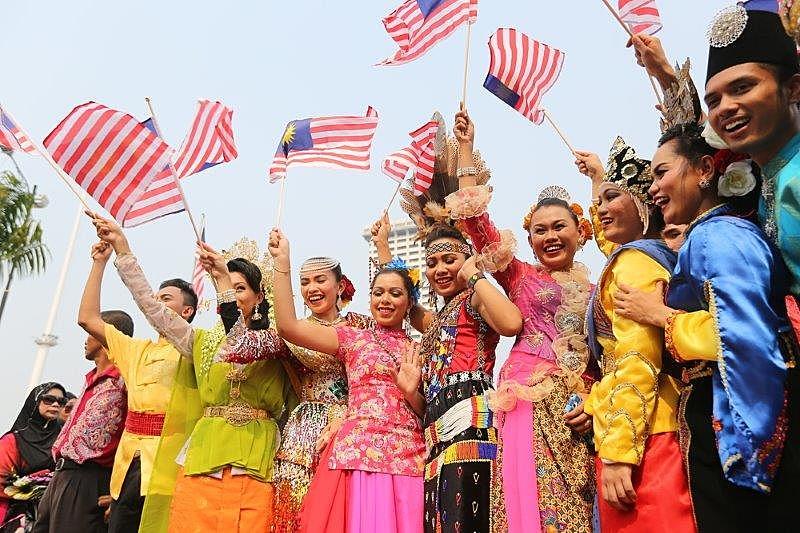
In the vibrant tapestry of the Caribbean, where diverse cultures converge and unique traditions flourish, the impact of local heritage on consumer behavior emerges as a significant area of study. As global brands vie for market share in this region renowned for its rich cultural landscape, understanding the nuances of local consumer preferences becomes essential for businesses seeking to succeed. This article delves into the intricate relationship between local culture and consumer choices in the Caribbean, examining how traditions, values, and social norms shape purchasing decisions. By exploring the intersection of culture and commerce, we aim to shed light on the distinct characteristics that define Caribbean consumers and the implications for businesses operating within this dynamic marketplace.
Table of Contents
- Understanding Caribbean Cultural Heritage and Its Impact on Consumer Behavior
- Assessing the Role of Tradition in Shaping Modern Purchasing Decisions
- Evaluating Local Values and Their Influence on Brand Loyalty
- Strategies for Businesses to Engage Effectively with Caribbean Consumers
- To Conclude
Understanding Caribbean Cultural Heritage and Its Impact on Consumer Behavior
The Caribbean is a vibrant mosaic of cultures that influences not just its rich traditions and arts but also the shopping habits and preferences of its consumers. In this region, cultural heritage plays a pivotal role in shaping consumer behavior, as individuals often gravitate towards products that echo their identity and social history. Major cultural events, local festivals, and traditional art forms help to reinforce community bonds, and these experiences greatly influence purchasing decisions. Key factors include:
- Celebration of Festivals: Local festivities often feature market stalls showcasing traditional crafts and culinary delights, drawing community participation.
- Artistic Expression: The local art scene encourages support for homegrown artisans, directly impacting consumer choices towards handcrafted items.
- Culinary Heritage: Traditional Caribbean recipes not only appeal to taste but also evoke nostalgia, making local foods a preferred purchasing option.
Moreover, the significance of family and community in Caribbean life cannot be overstated. Many consumers seek products that foster connections or represent their unique heritages. Companies operating in the Caribbean market can leverage this emotional tie by offering products that are reflective of the local culture and values. A variety of strategies can be employed to enhance consumer loyalty:
| Strategy | Description |
|---|---|
| Local Collaborations | Partnering with local artisans to co-create products that celebrate cultural craftsmanship. |
| Cultural Storytelling | Sharing narratives about products that highlight their cultural significance and origins. |
| Community Engagement | Participating in local events and festivals to strengthen brand presence within the community. |
Assessing the Role of Tradition in Shaping Modern Purchasing Decisions
Tradition plays a pivotal role in guiding consumer behavior across the Caribbean, where the reverberations of cultural heritage shape not only preferences but also purchasing patterns. In a region rich with diverse influences, consumers often find themselves torn between modern trends and time-honored practices. Local festivals, culinary customs, and family traditions frequently inform choices about products and brands. For instance, during holiday seasons, Caribbean families typically prioritize locally sourced ingredients and artisanal crafts over mass-produced goods, reflecting a deep-rooted commitment to sustainability and community support.
Moreover, the negotiation between tradition and modernity manifests in various sectors, including fashion and food. Consumers are increasingly drawn to brands that celebrate Caribbean identity through authentic designs and flavors that resonate with their cultural experiences. The use of traditional colors, patterns, and ingredients not only appeals to aesthetic preferences but also reinforces a sense of belonging. To illustrate this dynamic, consider the following table that outlines key areas where traditional influences impact consumer decisions:
| Product Category | Traditional Influence | Modern Trends |
|---|---|---|
| Food | Indigenous ingredients | Fusion cuisine |
| Fashion | Local textiles | Sustainable fashion |
| Arts & Crafts | Heritage craftsmanship | Contemporary aesthetics |
Evaluating Local Values and Their Influence on Brand Loyalty
In the vibrant tapestry of Caribbean culture, local values serve as the bedrock upon which brand loyalty is built. Consumers in the region often gravitate towards brands that resonate with their cultural identity and heritage. This alignment fosters a deeper emotional connection, making these brands not just a choice but a reflection of personal and communal values. Key factors influencing this connection include:
- Community Engagement: Brands that actively participate in local events or support community initiatives are often favored by consumers.
- Cultural Relevance: Products that incorporate local traditions or symbols hold a significant place in consumer hearts and minds.
- Authenticity: Consumers appreciate brands that are genuine and true to their heritage, which cultivates trust and loyalty.
Moreover, local values shape consumer expectations regarding service and product quality. Caribbean consumers are increasingly discerning, often evaluating brands based on their commitment to uphold local standards and practices. A recent survey highlights this trend, demonstrating a clear link between brand perception and local values:
| Brand Attributes | Importance (Scale 1-5) |
|---|---|
| Community Involvement | 4.8 |
| Cultural Representation | 4.5 |
| Environmental Responsibility | 4.2 |
| Quality of Service | 4.6 |
This data underscores the importance of aligning brand strategies with the intrinsic values of Caribbean consumers. As businesses seek to enhance brand loyalty, embracing and embodying these local values becomes paramount for meaningful engagement.
Strategies for Businesses to Engage Effectively with Caribbean Consumers
Understanding the unique cultural landscape of the Caribbean is essential for businesses looking to forge strong connections with local consumers. Companies can significantly improve their engagement strategies by incorporating the following elements into their marketing initiatives:
- Local Collaborations: Partnering with Caribbean artists, musicians, and influencers can enhance brand visibility and credibility, ensuring that marketing messages resonate authentically with local values.
- Cultural Celebrations: Aligning products and promotions with key festivals and traditions can not only draw attention but also foster a sense of community involvement and appreciation for cultural heritage.
- Language and Communication: Utilizing local dialects and languages in marketing materials showcases respect for the community, helping to build trust and relatability among consumers.
- Eco-Conscious Initiatives: Highlighting sustainability efforts aligns with the growing consciousness among Caribbean consumers regarding environmental issues, enhancing brand loyalty.
Additionally, businesses can benefit from leveraging technology to quantify consumer preferences and tailor their offerings accordingly. Simple data collection methods can yield insightful revelations about spending habits and product choices, creating opportunities for personalized marketing. Consider the following table depicting essential consumer aspects:
| Aspect | Consumer Preference |
|---|---|
| Cultural Relevance | 70% prefer brands that respect local customs |
| Price Sensitivity | 65% prioritize affordability over brand prestige |
| Quality Assurance | 80% value product quality and reliability |
| Personalization | 75% find personalized offers appealing |
To Conclude
understanding the intricate tapestry of local culture is essential for comprehending the diverse consumer choices in the Caribbean. From the rhythmic pulse of festivals to the rich culinary traditions that vary from island to island, cultural factors play a pivotal role in shaping purchasing behaviors and brand loyalties. As businesses and marketers adapt to this vibrant landscape, recognizing the nuances of cultural influences will not only enhance their strategies but also foster deeper connections with Caribbean consumers. As the region continues to evolve, staying attuned to these cultural dynamics will be key for any stakeholder looking to succeed in this dynamic market. Ultimately, the relationship between local culture and consumer choices underscores the importance of cultural sensitivity and adaptability in an increasingly globalized economy.