


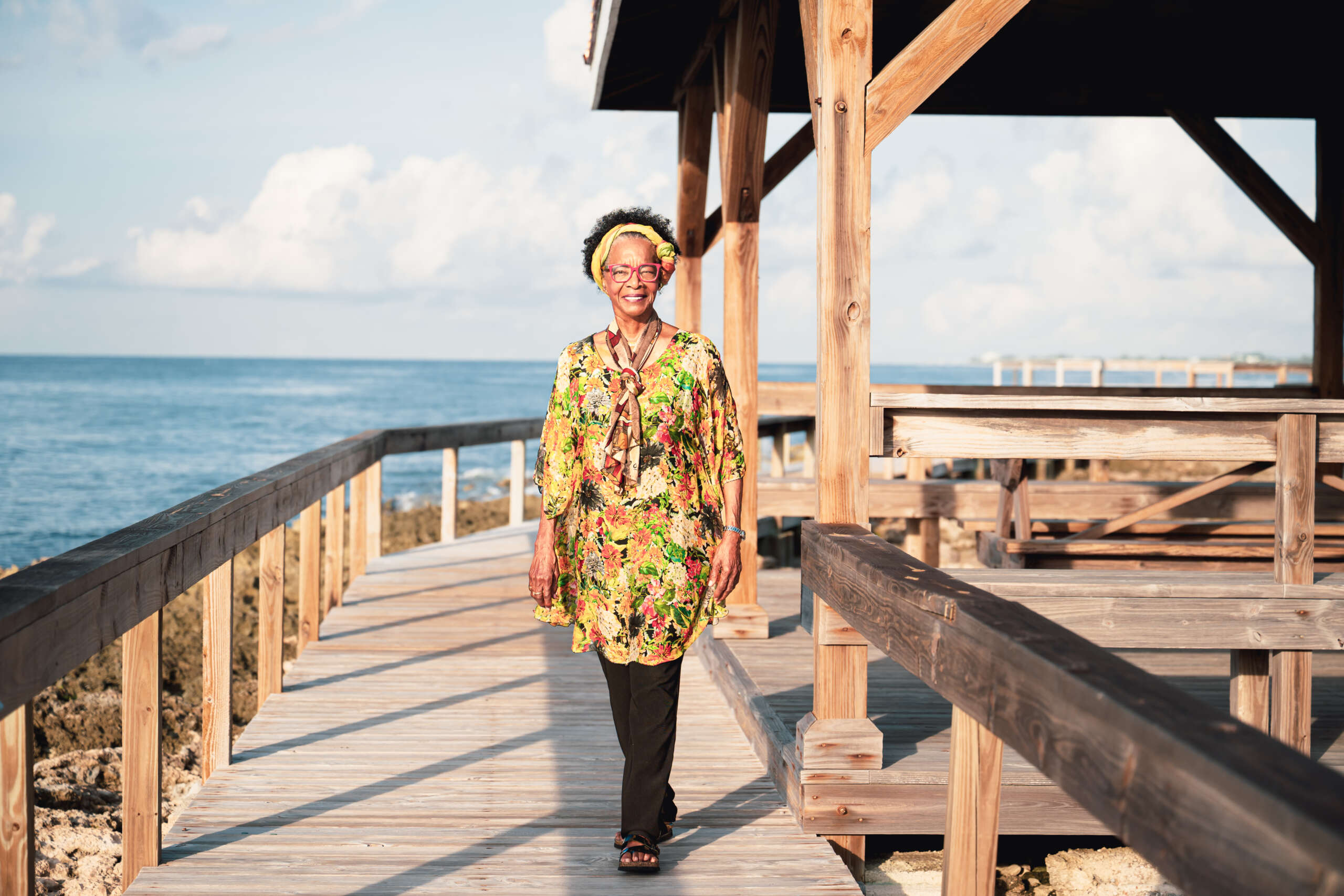
Each morning, 81-year-old Lucille Seymour sets out on her daily walk, camera in hand to capture Cayman’s fleeting beauty. It is a ritual that keeps her spirit young, even as she shoulders a weighty role: leading the national conversation on ageing.
Seymour has been an educator, a parliamentarian and a community leader. She is also a cancer survivor, grateful for the privilege of long life. Now chair of the Council of Older Persons, she champions the rights and dignity of Cayman’s elders, guiding policy and amplifying their voices.
Having watched Cayman grow from a seafaring village into a global financial centre, she worries about what has been left behind.
“When I was growing up, respect for elders was instinctive,” she recalls. “Families lived close, caring and listening to those who came before us. Today, I see many elders experiencing deep isolation, financial insecurity and limited access to tailored services.”
Seymour’s mission is to make seniors visible again. “Older persons long to be seen not as burdens, but as bearers of legacy and wisdom,” she says.
According to the 2024 Labour Force Survey, from 2023 to 2024, the number of seniors aged 65 and older increased by more than 28.2% within Cayman’s rapidly growing population. This is the fastest growing age group – by a significant amount. At 82.1 years, Cayman’s life expectancy is one of the highest in the world and the Auditor General’s Office estimates that by 2033, 29% of Cayman’s population will be 65 and older.
While the statistics point to a growing demographic shift, the lived reality becomes apparent in the stories and legacy of Cayman’s ageing population.
Strength and loneliness
Few embody that legacy and the combined joys and struggles of ageing more vividly than National Hero Francine Jackson.
At 97 years old, Jackson makes her bed each morning, attends church, hosts Sunday teas, joins seniors’ events and keeps in touch on social media and WhatsApp.
Her West Bay home is lined with family photos, plaques and a framed certificate honouring her role in winning Caymanian women the right to vote more than 66 years ago. She delights in shopping, beauty rituals, and the company of her two cats, crediting “loving, laughing and lipstick” as her secret to longevity.
Yet even with a large close-knit family and full-time caregiver, loneliness lingers. “I don’t like to tell my children I’m lonely because they already do so much,” she says. “Up until about a year ago, I was cooking and doing a lot. Now I don’t do as much, and I miss it.”
Her daughter, Joy Basdeo, 73, is deeply attuned to the isolation felt by many older people. Following a health scare, she trained as a grief educator while continuing her work as a marriage officer and community leader, and she believes loneliness is one of the greatest challenges facing Cayman’s ageing population.
“Even with family who love them, there are so many hours in the day when older persons are alone,” she said. “Connection is what makes life meaningful, and it’s what so many are missing.”
Clinical psychologist Shannon Seymour, director of The Wellness Centre, shares this concern, noting that isolation is a major risk factor for poor mental health, while connection and belonging serve as powerful protections.
“For many Caymanian elders, being surrounded by family and community is part of their identity,” she says. “When those connections fade, the loneliness isn’t just quiet, it’s heartbreaking, and it can take a serious toll.”
The Jackson family works hard to keep connections strong. Their Sunday teas, which sometimes draw 40 relatives and friends, are a cherished ritual. “That tea keeps us together,” Basdeo says. “It’s our way of holding on to the Cayman we grew up in.”
Yet, as Cayman’s population has surged and migration and rapid development have reshaped the islands over the past two decades, the bonds of intergenerational family life have loosened. As shared traditions fade, many older Caymanians are left navigating a growing sense of social and economic isolation – a challenge experienced in many communities across the world.
Social and emotional needs
Globally, 30-50% of people over the age of 65 struggle with loneliness. If this statistic holds true for Cayman, then more than 3,500 people may be quietly experiencing it. With life expectancy rising and family sizes shrinking, this risk is only increasing.
At The Pines Retirement Home, manager Lynda Mitchell sees the toll firsthand. Residents often struggle when family visits slow or stop, particularly those with memory or cognitive challenges.
“They can’t always voice their feelings, which leads to frustration and despair,” she says.
Adjusting to life in a shared facility, losing independence in daily tasks and relying on staff schedules can leave formerly self-sufficient adults feeling anxious and depressed.
Clinical psychologist Shari Smith says that without strong support networks, seniors risk withdrawing from daily and social life.
“If they’re not part of a community group, a church, or closely connected with family, they can become increasingly shut in,” she says, noting this raises the risk of depression, memory loss and dementia. Churches and community groups, she adds, are crucial in bridging the gap.
Tim Adam, 71, has seen this firsthand through decades of volunteer work with Rotary, Meals on Wheels and his church.
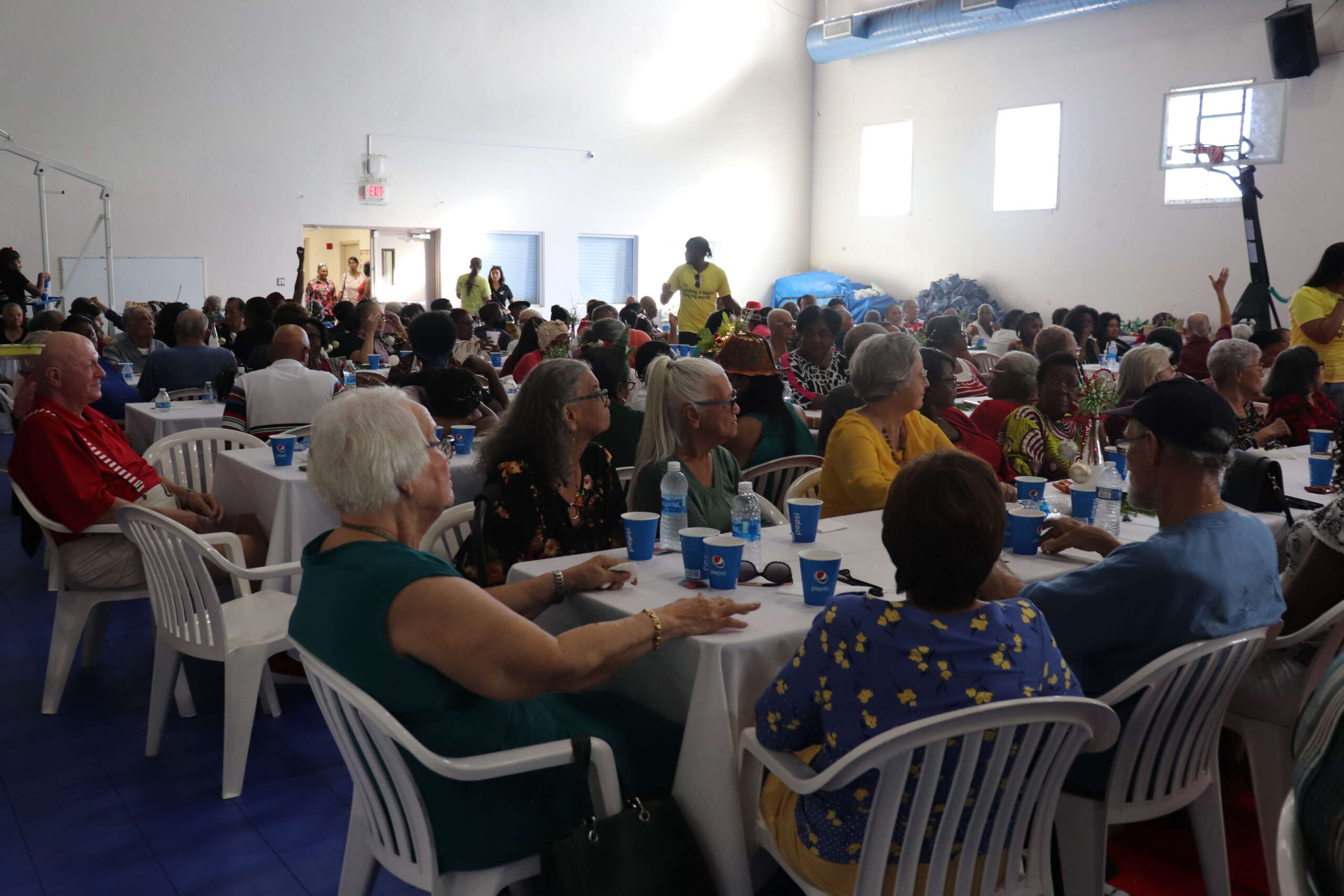
Since 1991, he has helped lead Rotary’s Boxing Day Seniors Party, a tradition dating back to 1965. “It’s one of those things seniors look forward to all year,” he says. “They come dressed to the nines, they sing, dance, recite poetry. They leave not just with full hearts, but with hampers of food and supplies to carry them into the new year.”
The impact, he says, is profound. “These gatherings make seniors feel loved and valued. They reconnect with old friends. They get to perform, to share. It gives them a sense of worth.”
Still, he worries that outside of such events, too many remain isolated. “We need more than a Christmas party. We need networks that engage seniors all year round,” he said.
Lucille Seymour agrees. She calls for a revival of traditions like storytelling, mentorship and inter-generational bonding, alongside stronger social and policy frameworks to protect, celebrate and integrate older persons into daily life.
“The heart of our society is measured by how we treat those who paved the way,” she says.
Ageing and economic vulnerability
Just as isolation erodes emotional well-being, limited income and Cayman’s high cost of living threaten financial security, leaving many older residents struggling to cover even basic needs.
“While government workers have traditionally received proper pensions, those who worked in the private sector before the late 1990s often find themselves ‘pension poor’, with insufficient income to meet basic needs,” explains Seymour.
Many in this generation grew up in households sustained by remittances from seamen abroad. Today, however, they rely on modest pensions that rarely stretch far enough.
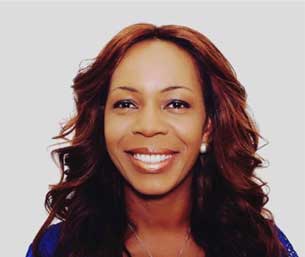
“They aren’t earning an income, and their ability to top up what they have is very limited, so they feel the pressure even more,” says Felicia Robinson, director of social work at the University College of the Cayman Islands and former director of the Department of Children and Family Services.
Unlike countries with mandatory social security, Cayman offers fewer built-in protections, leaving government aid as a crucial safety net.
The financial burden of an ageing population is already being felt in the Cayman Islands. As of August 2025, 1,429 older persons were receiving financial assistance through the Department of Financial Assistance, with 1,111 of them enrolled in the long-term programme that provides up to CI$1,500 per month, plus coverage for additional expenses.
Over the past five years, the number of older Caymanians relying on this support has steadily increased, mirroring demographic shifts that have seen the number of people aged 65 and over grow by 67% between 2013 and 2023.
Government expenditure on social assistance doubled between 2018 and 2023, rising to over CI$21 million, while the costs of caring for indigent, elderly, and disabled persons climbed by 21% during the same period. With pensions often proving inadequate, many seniors are dependent on these programmes to meet even their most basic needs.
Beyond direct financial aid, older Caymanians represent a significant long-term liability for government finances, particularly through pensions and healthcare. As of December 2023, core government post-retirement liabilities stood at CI$2.7 billion – CI$2.4 billion of this in healthcare obligations and CI$327 million in unfunded pensions.
Payments to the Health Services Authority for the care of indigent and elderly patients have also been running well above budget, exceeding allocations by millions of dollars in 2025 alone.
With nearly 30% of the Caymanian population projected to be aged 65 or over by 2033, the costs of medical care, social services, and financial assistance for seniors are expected to rise sharply, placing mounting pressure on government resources and requiring urgent planning to ensure sustainability.
Those financial pressures translate into very personal challenges for seniors navigating everyday life.
“If cost of living is stressful for working people, imagine for older people,” Robinson says, pointing to eligibility rules that can feel demeaning. For retirees who rent, she asks, “How do they maintain dignity and remain in a home?”
Even with expanded outreach, many continue to struggle quietly.
Angela Martins, 72, a retired civil servant, acknowledges her good fortune: “I know I’m privileged,” she says. “But so many of my peers aren’t. Their pensions barely cover rent and groceries.”
Many seniors on fixed incomes face rising costs, limited mobility and inadequate public transport – challenges that heighten isolation and drive food insecurity by limiting access to nutritious meals.
“If we link their fixed income from pensions or assistance to their dietary needs and the cost of living, for many, there is a big gap,” says Jennifer West, general manager of Meals on Wheels, a charity that delivers 330-350 hot meals daily across Grand Cayman, while offering vital social connection, often serving as the “eyes and ears” for other needs.
“It is sad when someone refers a senior who has been living on oatmeal packets and patties, or who has no kitchen facility at all, which means no access to a hot meal,” West adds, describing the cascading effect of poor nutrition, which can lead to hospital visits, declining health and loss of independence.
Beyond daily meals, Meals on Wheels supplies weekend groceries, hurricane support and even Christmas and birthday gifts, reminding seniors they are not alone. “There is a crisis connected with hunger for seniors because it takes a toll on their health, physically and mentally,” she says.
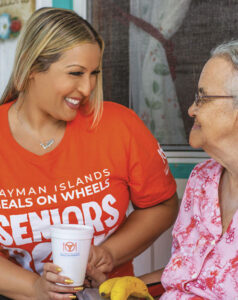
Through Rotary, Adam spent years as a volunteer driver for Meals on Wheels, noticing that while seniors welcomed the food, what they cherished most was the knock on the door.
“Sometimes it was the only human contact they’d have all day,” he recalls.
That simple exchange can reveal far more than an empty fridge.
Volunteers encounter signs of health issues, unmet household needs or even elder abuse – a growing concern in Cayman. According to the Ministry of Social Development and Innovation, reports of suspected abuse or neglect have averaged about 10 referrals per month in 2025.
Tackling growing needs
In 2016, the government held meetings and focus groups across the Cayman Islands to help shape the Older Persons Policy – a 20-year plan, backed by law, to guide how the country supports its ageing population.
Those discussions revealed troubling patterns of neglect and abuse of seniors, with reports of elderly people left hungry, isolated and uncared for, often living alone without sufficient income from pensions or welfare to meet basic needs. Participants described cases where family members took pension or welfare money.
These cases persist, despite government systems that were created with the best intentions to support Cayman’s ageing population.
The Department of Financial Assistance and the Department of Children and Family Services work together to provide financial and social support for older people in need. Their role includes conducting assessments, coordinating care, advocating on behalf of seniors and responding to reports of abuse or neglect.
But despite protections provided by government agencies, under the Older Persons Policy and Older Persons Act, many cases never surface.
Shame and family loyalty keep victims quiet, says Deirdre Carmola of the Council of Older Persons, while Magda Embury, attorney with the National Council for Persons with Disabilities, points out that disabilities magnify vulnerability.
“Mobility issues may trap them at home, and memory loss may keep them from even recalling the abuse,” Embury says.
Dementia is an added risk. The Ministry of Health counted 1,053 people in Cayman living with dementia in 2021, mostly Alzheimer’s, though Sloane Pharr-Strang of The Wellness Centre believes the true number is higher.
“Prevalence is expected to rise by 155% over the next three decades,” she says.
Chronic illnesses are also on the rise among Cayman’s seniors, with heart disease, diabetes and joint pain now widespread. Nearly half of older adults face multiple high-risk factors, according to the 2023 STEPS National Health Survey, making access to reliable health insurance increasingly vital.
For Martins, free medical coverage is a lifeline that she knows many do not have. “I know I’m fortunate, but there are people surviving on $1,200 or $1,500 pensions,” she says. “By the time they pay for medication and food, there’s little left.”
Martins believes Cayman needs a more proactive approach that emphasises regular screenings and preventive care rather than waiting until problems become acute.
For those who can’t afford private plans, government coverage through CINICO provides a safety net, but many say it isn’t enough.
“We have excellent medical facilities, but coverage for seniors is too ad hoc,” says Adam. “Some people can navigate the system and get help, others fall through the cracks. Cayman needs a national plan to give retirees the same post-retirement coverage civil servants get.”
Many families bear the primary responsibility for caring for relatives who are too ill or frail to manage independently.
Michelle Lockwood is experiencing this firsthand with her mother, Ella, now 78. Once a vibrant woman devoted to community service and a successful private-sector career, Ella’s life changed dramatically after an early retirement, the loss of her own mother, repeated battles with breast cancer, and three strokes. Today, she lives with dementia, impaired vision and limited mobility, requiring round-the-clock support from a team of caregivers.
For Lockwood, caregiving is both an act of love and a logistical puzzle. She and her brother secured power of attorney early, streamlined their mother’s finances, and even shortened her signature when she could no longer write it. “I’m glad we did it when we did,” she says.
“In Cayman, we don’t really have a clear system for these things, so families have to navigate a lot on their own. It was a little hard to navigate what to do,” she explains.
The financial burden can also be overwhelming. Around-the-clock care for her mother requires at least three caregivers – an expense only manageable because Ella had investments to fall back on.
“My mom was smart financially,” Lockwood says, sharing that for many Caymanian seniors, modest pensions barely stretch to cover the basics.
Advocacy too, has been critical. When Ella suffered her most recent stroke in late 2024, she was initially misdiagnosed with an allergic reaction. Days passed before a second MRI confirmed the truth.
“When you get older, you almost have to make sure that somebody is going to be your advocate,” Lockwood says. “If I hadn’t pushed to get a second MRI, I don’t know if we would have gotten the right diagnosis in time.”
Lockwood’s experience has convinced her that Cayman must urgently rethink how it cares for its ageing population, from ‘granny flats’ that keep elders close to family and day programmes that combat isolation, to better training for caregivers who can offer stimulation as well as supervision.
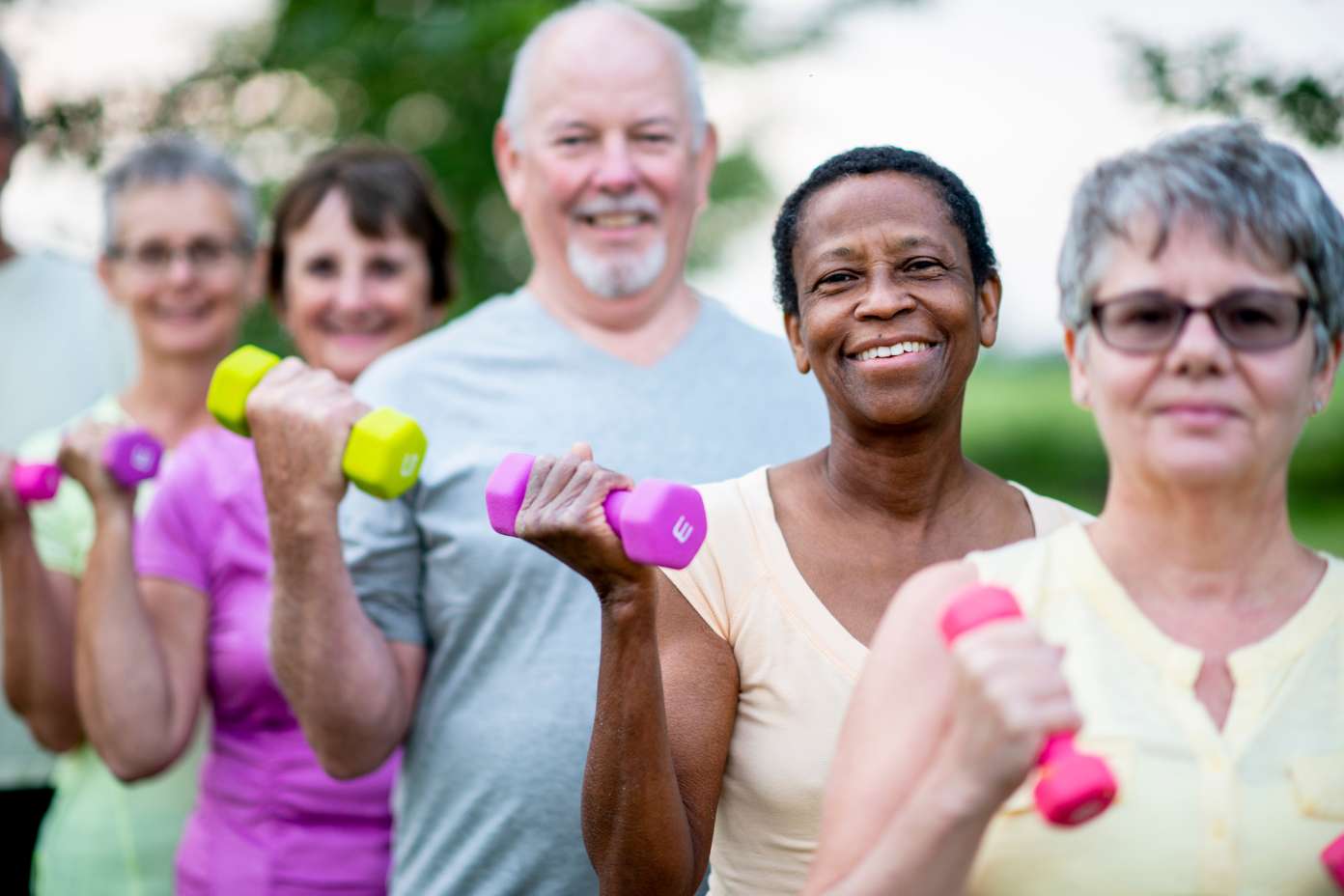
That type of stimulation is currently fostered in small but powerful ways. The Department of Children and Family Services runs weekly fellowship and exercise groups in every district, while at Cayman Physiotherapy, occupational therapist Lizzie Knight leads a senior exercise and wellbeing class.
The group is intimate – anywhere from two to eight participants, depending on the season – but its impact is significant. Most people are in their 70s and 80s, joined at times by younger patients recovering from surgery and even a spirited nonagenarian determined not to slow down.
The sessions focus on stretching, balance and gentle movement to help maintain strength and independence at a time when recovery from falls becomes slower and harder. But the real value lies in the fellowship. For many, the exercise is followed by something just as restorative – a cup of coffee and conversation.
The future: Whose responsibility is it?
Robinson of UCCI says the challenges facing Cayman’s seniors echo those seen around the world. “Finances, vulnerability to abuse, loneliness, reduced social support, health issues; these are not unique to Cayman,” she says.
Yet getting old, as Martins insists, is not a uniform experience. At 72, she swims, practises chair yoga, devours books, and dotes on Ari, a ‘foster fail’ shih tzu she couldn’t let go. “He keeps me young,” she smiles.
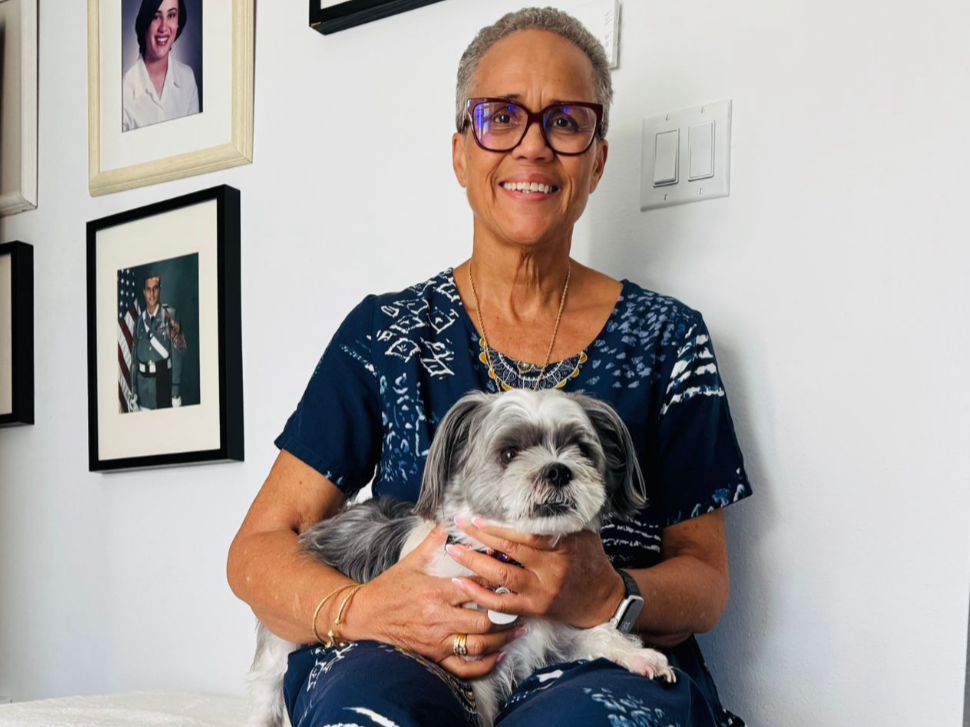
“Ageing is not one size fits all. To lump everyone over 60 into one group called ‘elderly’ is a mistake,” she says, adding that some seniors remain vibrant and independent well into their 90s, while others face steep challenges earlier. Cayman, she argues, must design programmes that reflect this spectrum of needs.
For Lucille Seymour, vitality comes from engagement – spirited debates about politics, health and community, the joy of dressing up, dancing, sports, and nurturing relationships.
“What keeps me young is this daily pursuit of purpose, fun and honest connection,” she says. “By embracing movement, creativity and community …”
But for many families, ageing is more complicated. Lockwood knows the strain of caring for her mother while also raising a child of her own. With smaller families and elders less likely to live with their relatives, the traditional safety net is wearing thin.
“I don’t know when we stopped living with our parents,” Lockwood reflects. “But I think there would be real benefits in going back to that.”
Her story mirrors a growing reality: the logistical weight, emotional toll and difficult choices of caregiving that many Cayman families face.
As the islands’ senior population rises, the pressure will grow on pensions, healthcare and on younger generations tasked with filling the gaps.
Lucille Seymour has called for shared responsibility.
“Cayman is notably a nation with no direct taxation, and our economy continues to attract many who benefit from its prosperity,” she says.
“It is only right, then, that our businesses and private sector join hands with government, ensuring that the wealth and privilege enjoyed here are used to reduce poverty among older persons and to help all Caymanians, especially those who helped build our country, live their golden years with graciousness, happiness and well-being.”