


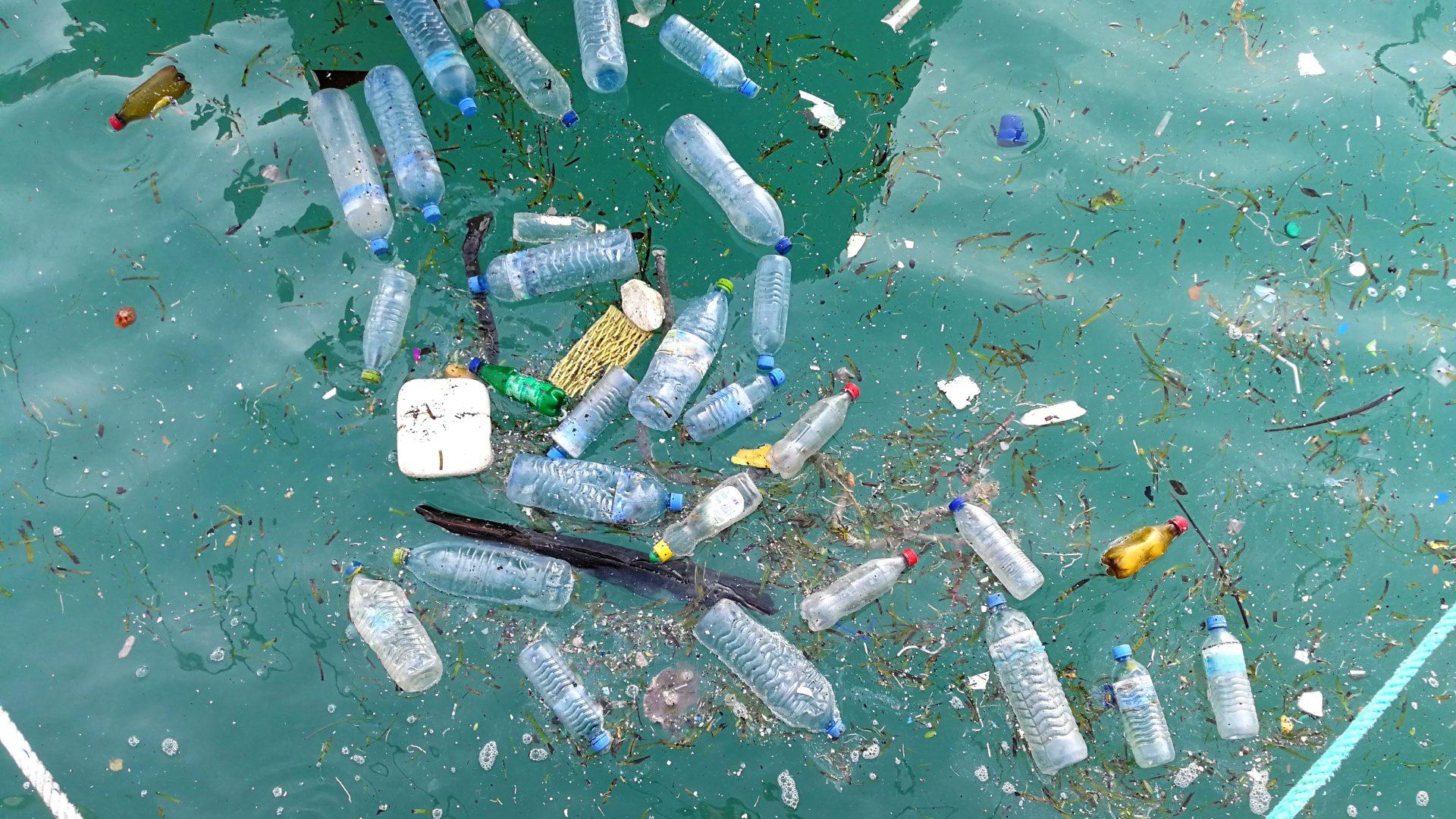
In recent years, the Caribbean has earned a reputation as a paradise of turquoise waters and vibrant marine life. However, beneath the alluring surface lies a growing concern that threatens both the region’s ecological balance and its economic stability: plastic pollution. From the idyllic shores of Barbados to the bustling beaches of Jamaica, discarded plastic has woven its way into the very fabric of these island communities, posing significant challenges to both marine ecosystems and local economies. In this article, we delve into the multifaceted issue of plastic pollution in Caribbean waters—exploring its sources, impacts, and the concerted efforts required to combat this pervasive threat. Join us as we navigate through the complexities of this environmental crisis and highlight the innovative solutions that communities are implementing to reclaim their beautiful seas from the grip of plastic waste.
Table of Contents
- Understanding the Scope of Plastic Pollution in Caribbean Waters
- The Ecological and Economic Impact of Marine Debris on Coastal Communities
- Innovative Solutions: Best Practices for Plastic Waste Management in the Caribbean
- Collaborative Efforts: Engaging Local Stakeholders and Governments in Marine Conservation
- The Way Forward
Understanding the Scope of Plastic Pollution in Caribbean Waters
Plastic pollution in the Caribbean is a pressing environmental crisis that undermines marine ecosystems and threatens local communities. The region is particularly vulnerable to ocean currents that accumulate plastic waste from land-based sources and maritime activities. Unfortunately, plastics such as bags, bottles, and microplastics have inundated coral reefs, posing risks to biodiversity and fish populations that are essential for the livelihood of many Caribbean islands. Moreover, the tourism industry, a vital economic driver, is adversely affected by the rising presence of plastic debris, which compromises both the natural beauty and safety of pristine beaches.
Addressing this issue requires a comprehensive understanding of the various contributors to plastic pollution. Key factors include:
- Tourism and Recreational Activities: Increased visitors can lead to amplified waste generation.
- Lack of Waste Management Infrastructure: Many islands struggle with inadequate waste disposal and recycling systems.
- Illegal Dumping Practices: Some communities resort to illegal dumping due to the absence of proper facilities.
To illustrate the severity of the problem, a recent study conducted across major Caribbean destinations revealed staggering statistics regarding plastic waste:
| Destination | Annual Plastic Waste (tons) | Plastic Waste per Tourist (kg) |
|---|---|---|
| Bahamas | 50,000 | 5.2 |
| Jamaica | 120,000 | 6.0 |
| Dominican Republic | 200,000 | 7.8 |
The Ecological and Economic Impact of Marine Debris on Coastal Communities
The presence of marine debris, particularly plastic waste, poses significant threats to coastal ecosystems, which in turn affect the livelihoods of local communities. When plastics and other pollutants choke the oceans, they disrupt natural habitats, posing risks to the diverse marine life that sustains fishing industries. Notably, the ingestion of plastics by marine organisms can lead to toxic accumulation in food chains, thereby threatening human health. Coastal habitats such as coral reefs and mangroves suffer degradation, leading to loss of biodiversity and resilience. The ecological balance is disrupted, ultimately leading to:
- Decreased fish populations: Resulting in lower catch yields for fishermen.
- Loss of tourism: Aesthetic detriment leads to diminished tourist attractions.
- Costly clean-up efforts: Strain on local governments and resources.
Economically, the impact of marine debris can be devastating for coastal communities that rely heavily on natural resources. The cost of cleaning up littered beaches and waters often diverts funds from essential public services. Moreover, as the quality of marine ecosystems declines, fisheries face persistent instability, contributing to unemployment and reduced economic security. The multifaceted nature of these economic consequences can be visualized in the table below:
| Impact Area | Detail |
|---|---|
| Fisheries | Decline in fish stocks and income for local fishermen. |
| Tourism | Reduced visitors due to polluted beaches and marine environments. |
| Clean-up Costs | Increased expenditure on waste management services. |
Innovative Solutions: Best Practices for Plastic Waste Management in the Caribbean
In the Caribbean, innovative strategies are vital for mitigating the challenges posed by plastic pollution. Stakeholders, including governments, NGOs, and local communities, are now implementing best practices aimed at reducing plastic waste and promoting sustainability. Key methods that have been adopted include:
- Extended Producer Responsibility (EPR): Manufacturers are held accountable for the entire lifecycle of their products, enhancing recycling initiatives and waste management.
- Community Engagement: Involving local populations in awareness campaigns fosters a sense of responsibility for the environment.
- Plastic Alternatives: Encouraging the use of biodegradable materials and reusable products to drastically cut down plastic usage.
To track progress and outcomes, various countries in the Caribbean have set up comprehensive monitoring systems. These systems assess the effectiveness of waste management practices and the impact of regulations. The table below outlines some successful case studies in the region highlighting the innovative approaches taken:
| Country | Initiative | Impact |
|---|---|---|
| Barbados | National Plastic Bag Ban | Reduced plastic bag usage by over 80% within two years. |
| Dominica | Community Recycling Programs | Increased recycling rates from 10% to 50% in five years. |
| Bahamas | Education Initiatives | A significant increase in public awareness about marine conservation. |
Collaborative Efforts: Engaging Local Stakeholders and Governments in Marine Conservation
Effectively tackling plastic pollution in Caribbean waters requires a multi-faceted approach that integrates the insights and resources of local stakeholders and governments. By fostering strong partnerships, we can implement comprehensive waste management strategies tailored to the unique needs of each community. Engaging local fishermen, tourism operators, and environmental organizations is crucial in developing initiatives that are both practical and culturally relevant. Key strategies include:
- Community education programs on the impacts of plastic waste.
- Collaborative clean-up events that bring together locals and visitors.
- Incentivizing recycling practices among businesses and households.
- Monitoring programs that involve local volunteers in tracking plastic pollution hotspots.
To ensure that these efforts are sustainable, local governments must play a vital role in creating supportive policies and infrastructure. Establishing a comprehensive regulatory framework that encourages eco-friendly practices while imposing penalties on illegal dumping is essential. By applying a transparent and participatory approach in decision-making, local governments can build trust and motivate community involvement in marine conservation. Effective measures might include:
| Action | Description |
|---|---|
| Plastic Bag Bans | Implement local bans on single-use plastic bags to reduce waste. |
| Incentives for Composting | Provide subsidies for residents to adopt composting practices, reducing plastic waste. |
| Community Workshops | Host workshops to educate on sustainable alternatives to plastic. |
The Way Forward
As we conclude our exploration of the pressing issue of plastic pollution in Caribbean waters, it’s clear that this environmental challenge demands our urgent attention and collective action. The Caribbean, renowned for its stunning marine biodiversity and pristine coastlines, finds itself at a crossroads, facing the consequences of global consumption patterns and inadequate waste management systems.
Confronting plastic pollution is not just an environmental necessity; it’s a social and economic imperative. From the smallest fishing communities to larger tourism-driven economies, the ramifications of plastic waste touch every aspect of Caribbean life. Although the challenges are daunting, there is hope. Innovative approaches, community engagement, and strong policy frameworks can pave the way for sustainable solutions.
As stakeholders—governments, businesses, and individuals alike—we must champion the fight against plastic pollution, adopting practices that protect our cherished seas and preserve the cultural heritage tied to them. By raising awareness, supporting local initiatives, and advocating for systemic change, we can turn the tide on plastic pollution and ensure a healthier, cleaner marine environment for generations to come.
Let us commit to making a difference, today. Every small step counts, and together, we can transform the Caribbean waters into a shining example of environmental stewardship and sustainability. Remember, the sea is not just our playground; it is our responsibility. Let’s work together to safeguard its future.