


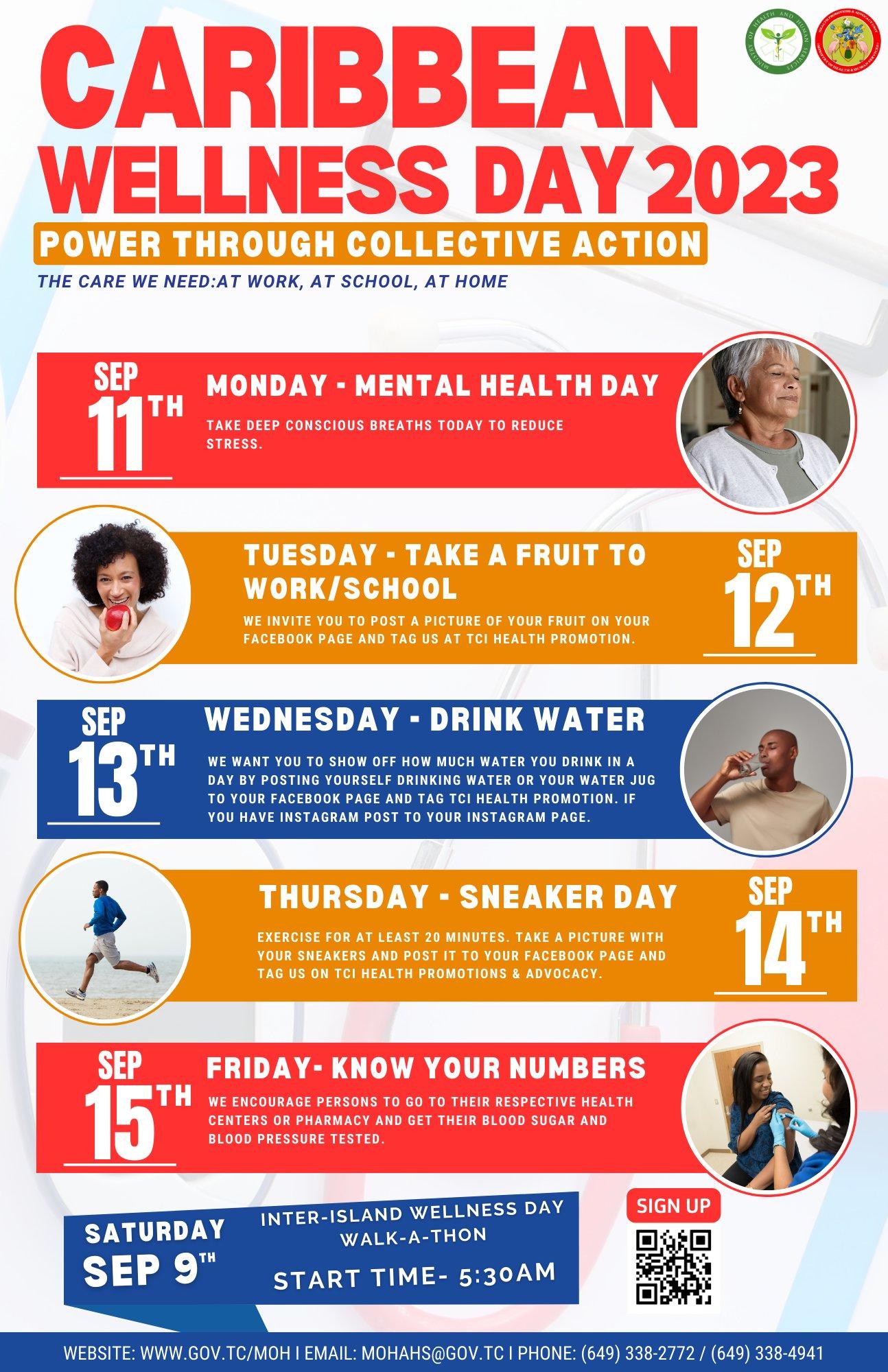
In a significant collective effort to enhance public health outcomes across the region, Caribbean nations are ramping up their wellness initiatives, focusing on preventative care and community health programs. As concerns over non-communicable diseases and limited healthcare access persist, governments and organizations are collaborating to implement innovative strategies aimed at promoting healthier lifestyles among their populations. This article explores the recent advancements and multifaceted approaches being adopted by Caribbean nations to uplift community health, reduce healthcare disparities, and foster a sustainable culture of wellness that resonates with the unique needs of their diverse communities.
Table of Contents
- Enhancing Preventive Care: Strategies for Early Detection and Health Education
- Innovative Healthcare Partnerships: Collaborating for Greater Impact
- Sustainable Wellness Programs: Integrating Traditional Practices with Modern Medicine
- Policy Recommendations: Strengthening Frameworks for Health Equity and Accessibility
- Final Thoughts
Enhancing Preventive Care: Strategies for Early Detection and Health Education
The Caribbean nations are increasingly prioritizing preventive health measures to curb the onset of chronic diseases and enhance overall wellness. Central to this initiative is the empowerment of communities through health education. Implementing workshops and outreach programs, governments are promoting practices such as regular health screenings and lifestyle modifications. These efforts are reinforced by collaborations with local healthcare providers, ensuring that vital information on health risks and disease prevention reaches the population effectively. Key strategies include:
- Organizing community health fairs to provide free screenings.
- Creating bilingual educational materials to cater to diverse populations.
- Leveraging social media for awareness campaigns focused on preventive care.
Another significant aspect is the early detection of health conditions through innovative technology and personalized care approaches. Caribbean nations are investing in telehealth solutions, making healthcare more accessible, particularly for remote areas. Furthermore, health systems are adopting data analytics to identify trends and target high-risk groups proactively. A recent initiative included the establishment of a Health Tracking Table, designed to monitor and report on various health metrics across the region:
| Metric | Current Status | Goal |
|---|---|---|
| Diabetes Screening | 60% Participation | 80% Participation by 2025 |
| Hypertension Awareness | 45% Knowledge | 70% Knowledge by 2025 |
| Childhood Obesity Rates | 25% Prevalence | Below 15% by 2030 |
Innovative Healthcare Partnerships: Collaborating for Greater Impact
The Caribbean region is witnessing a transformative wave of healthcare partnerships aimed at enhancing community wellness through innovative strategies. By pooling resources and expertise, governments, NGOs, and private sectors are coming together to launch comprehensive health programs that target chronic diseases, mental health, and preventive care. These collaborations foster a multi-disciplinary approach that prioritizes accessibility, ensuring everyone can benefit from improved health services. Key initiatives include:
- Joint funding for community health centers
- Shared research initiatives to address region-specific health issues
- Co-hosted wellness fairs and health education workshops
- Collaborative telemedicine services to reach remote areas
Furthermore, data-driven partnerships are helping to identify success factors and set measurable goals that align with international health standards. By engaging local populations in the decision-making process, these initiatives are tailored to meet the unique needs of diverse communities. A recent study highlighted the effectiveness of integrated approaches, showcasing significant improvements in health outcomes across several countries as shown in the table below:
| Country | Program Implemented | Outcome Improvement (%) |
|---|---|---|
| Jamaica | Healthy Living Workshops | 25 |
| Barbados | Telehealth Access | 30 |
| Trinidad and Tobago | Chronic Disease Management | 20 |
Sustainable Wellness Programs: Integrating Traditional Practices with Modern Medicine
In Caribbean nations, there’s a growing recognition of the need to blend traditional healing practices with modern medical approaches. This integrative model aims to enhance community health and well-being by embracing the wisdom of ancient remedies while leveraging advancements in contemporary medicine. By incorporating practices such as herbal medicine, spiritual healing, and community-based wellness activities, these countries are creating a holistic healthcare framework that respects cultural identities and nurtures individuals’ physical, emotional, and spiritual health.
The implementation of sustainable wellness programs not only acknowledges the significance of cultural practices but also promotes a more adaptive healthcare system. Programs are increasingly focused on preventive care, lifestyle education, and community engagement, which have shown promising outcomes in various regions. Key features of these initiatives include:
- Education on traditional nutrition – Leveraging local food knowledge for improved diets.
- Mindfulness and meditation workshops – Fostering mental well-being through ancient practices.
- Integration of therapists and traditional healers – Creating multidisciplinary health teams.
| Program | Focus Area | Impact |
|---|---|---|
| Herbal Health Workshops | Education | Increased community knowledge of local herbs |
| Mental Wellness Retreats | Mental Health | Improved stress management skills |
| Community Fitness Days | Physical Health | Enhanced community engagement in physical activity |
Policy Recommendations: Strengthening Frameworks for Health Equity and Accessibility
To ensure sustainable health equity and accessibility in Caribbean nations, a multifaceted approach is critical. Policymakers must focus on integrating health and social policies to create a cohesive framework that addresses both social determinants of health and healthcare access. Some key recommendations include:
- Investing in Community Health Programs: Allocate resources to local health initiatives that engage communities in health promotion.
- Enhancing Telehealth Services: Expand telehealth capabilities to reach underserved populations, particularly in remote areas.
- Policy Integration: Collaborate across sectors such as education, housing, and transportation to foster supportive environments for health.
- Training Healthcare Workforce: Increase training and recruitment of healthcare professionals from diverse backgrounds to address cultural competencies.
Furthermore, tracking progress through clear metrics and accountability systems is paramount. Establishing a regional health equity taskforce can coordinate efforts and facilitate the sharing of best practices among nations. Possible initiatives include:
| Initiative | Goal |
|---|---|
| Health Equity Index | Measure disparities across various demographics. |
| Universal Health Coverage Program | Ensure access to essential health services for all. |
| Community Engagement Workshops | Foster local input in wellness initiatives. |
Final Thoughts
the collective efforts of Caribbean nations to enhance wellness initiatives underscore a pivotal shift towards prioritizing health within the region. By investing in preventive measures, promoting sustainable practices, and fostering community engagement, these countries are not only addressing the immediate health challenges posed by non-communicable diseases but are also laying the groundwork for a healthier, more resilient future. As they navigate the complex landscape of public health, the collaboration between governments, local organizations, and international partners will be crucial to sustaining momentum and achieving long-term improvements in health outcomes. The commitment to advancing wellness across the Caribbean serves as a model for other regions striving for similar progress, affirming that proactive health measures can lead to transformative societal benefits. The journey towards enhanced health and well-being in the Caribbean is underway, and the positive impacts of these initiatives will undoubtedly resonate for generations to come.