Introduction
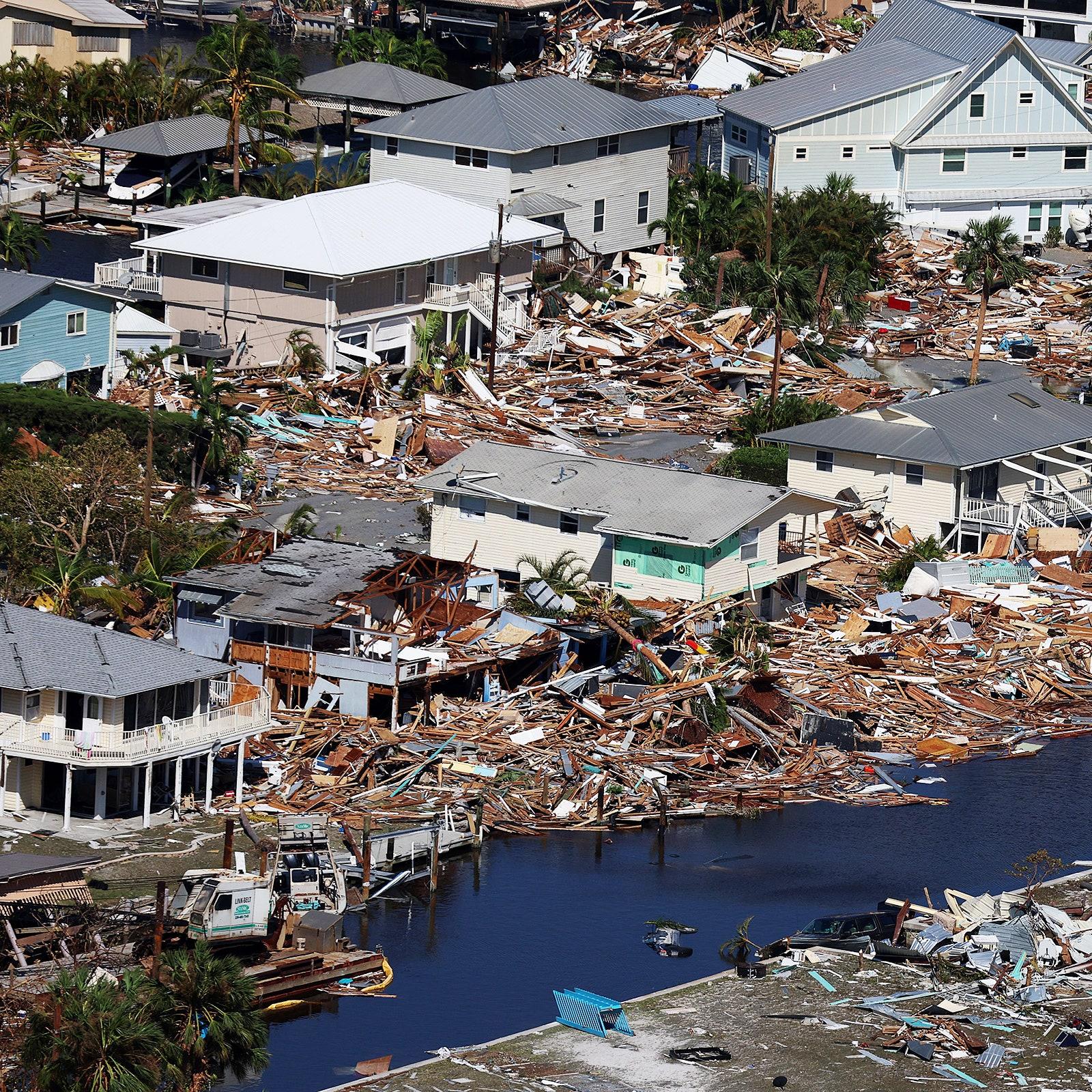
The Caribbean is often celebrated for its idyllic landscapes, vibrant cultures, and warm hospitality. Yet, beneath its stunning surface lies a stark reality that many of its islands face year after year: the relentless onslaught of hurricanes. These natural disasters, fueled by climate change and rising sea temperatures, wreak havoc on the region’s fragile ecosystems and local communities. In this blog, we will delve into the critical issue of hurricane damage assessment, exploring the profound environmental toll that these storms exact on the Caribbean. From the devastation of coastal habitats and the degradation of coral reefs to the loss of biodiversity and the challenges of recovery, we’ll uncover the multifaceted impacts of hurricanes and highlight the urgent need for sustainable strategies to safeguard this paradise for future generations. Join us as we navigate through the complexities of hurricane damage and the resilience of a region that has faced nature’s fury time and again.
Table of Contents
- Assessing Immediate Impacts of Hurricane Damage on Caribbean Ecosystems
- Long-Term Consequences for Biodiversity and Natural Resources
- Strategies for Effective Restoration and Recovery in Affected Regions
- Building Resilience: Recommendations for Future Hurricane Preparedness
- The Conclusion
Assessing Immediate Impacts of Hurricane Damage on Caribbean Ecosystems
The immediate aftermath of a hurricane presents a stark portrait of devastation across Caribbean ecosystems, where towering trees lie uprooted and vibrant coral reefs suffer from siltation and debris. These natural disasters disrupt the delicate balance of ecosystems, leading to significant biological and physical changes in habitats. Key impacts include:
- Loss of Biodiversity: Species that depend on specific habitats may face immediate threats due to habitat destruction.
- Soil Erosion: Heavy winds and rain can strip topsoil, reducing land fertility and affecting plant regrowth.
- Marine Life Disruption: Increased sediment runoff can suffocate corals and other marine organisms, diminishing overall marine health.
In addition to wildlife, local human communities often rely on these ecosystems for their livelihoods, making the cost of environmental damage particularly acute. Restoration challenges become evident as recovery efforts battle against the forces of nature, often requiring intricate planning and resources. A few crucial factors emerge in the evaluation of recovery processes:
| Factor | Impact on Ecosystem Recovery |
|---|---|
| Timing of Recovery Initiatives | Early intervention can significantly enhance long-term recovery outcomes. |
| Community Involvement | Local knowledge and participation can ensure sustainable restoration practices. |
| Climate Considerations | Future resilience can be improved by incorporating climate adaptation strategies into recovery plans. |
Long-Term Consequences for Biodiversity and Natural Resources
The aftermath of hurricanes in the Caribbean extends far beyond immediate devastation, casting long shadows over biodiversity and natural resource management. The destruction of habitats, such as coral reefs and mangroves, disrupts intricate ecosystems that local wildlife rely on. Many species face heightened risks of extinction as their breeding grounds and food sources vanish. Notably, the loss of marine and coastal biodiversity hampers resilience against future storms, as these ecosystems provide natural barriers that mitigate flooding and erosion.
Moreover, the depletion of natural resources raises concerns that extend beyond environmental implications, affecting local communities and economies. The recovery process often hinges on the availability of clean water, fertile soil, and diverse agricultural products. Long-term ramifications include:
- Reduced Fisheries: Overfishing and habitat loss lead to declining fish populations.
- Soil Degradation: Erosion and salinization threaten agricultural sustainability.
- Loss of Medicinal Plants: Indigenous flora, crucial for traditional medicine, may be lost forever.
In this precarious balance, the need for effective conservation strategies becomes clear, highlighting the urgency of restoring and preserving these vital ecosystems to ensure a sustainable future for both nature and the Caribbean people.
Strategies for Effective Restoration and Recovery in Affected Regions
Effective restoration and recovery in hurricane-affected regions require a multifaceted approach that prioritizes both immediate needs and long-term sustainability. Engagement with local communities is vital; involving residents in decision-making processes empowers them and leverages their knowledge of the area. This grassroots involvement can lead to more tailored recovery plans that respect local customs and environmental factors. Key strategies include:
- Assessment and Mapping: Conduct detailed environmental and infrastructural assessments to map out critical areas needing attention.
- Infrastructure Resilience: Invest in building infrastructure that can withstand future hurricanes, such as elevated structures and flood-resistant designs.
- Ecological Restoration: Focus on restoring mangroves, reefs, and wetlands, which serve as natural barriers against storm surges.
- Education and Training: Provide training programs for local workers in sustainable practices and disaster response.
Importantly, a collaborative approach between governmental bodies, NGOs, and private sectors can streamline efforts and maximize resources. Utilizing technology for real-time data collection can improve response times and resource allocation. Establishing long-term monitoring systems and community workshops not only aids in ongoing recovery but also fosters resilience against future disasters. These efforts can be summarized in the following table:
| Strategy | Description |
|---|---|
| Community Involvement | Empowering locals in recovery efforts ensures culturally appropriate solutions. |
| Infrastructure Improvements | Rebuilding with resilience in mind to withstand future storms. |
| Environmental Restoration | Restoring natural barriers to mitigate future environmental damage. |
| Education Initiatives | Training local workers in sustainable recovery practices. |
Building Resilience: Recommendations for Future Hurricane Preparedness
As the Caribbean continues to confront the harsh realities of climate change and the increasing intensity of hurricanes, communities must prioritize enhanced preparedness strategies to mitigate future damage. Engaging local populations in response planning is crucial; this includes conducting community workshops to educate residents on emergency protocols, as well as promoting the establishment of local resilience task forces. In addition, fostering partnerships between government agencies and non-profit organizations can lead to more effective distribution of resources pre- and post-disaster, ensuring that vulnerable populations have access to the support they need.
Investment in the region’s infrastructure is also vital for reducing future hurricane impact. This can be achieved by implementing green building practices and ensuring that new developments adhere to stringent hurricane-resistant standards. Communities should focus on reinforcing critical facilities, such as hospitals and shelters, while also developing comprehensive evacuation plans that consider the mobility needs of all residents. Furthermore, enhancing natural barriers, such as mangroves and coral reefs, can play a significant role in dampening storm surges and protecting coastal ecosystems.
| Preparedness Strategy | Description |
|---|---|
| Community Workshops | Educating residents on emergency protocols and response planning. |
| Local Resilience Task Forces | Forming groups to coordinate disaster response and recovery efforts. |
| Green Building Practices | Implementing environmentally-friendly construction techniques for durability. |
| Natural Barriers Enhancement | Restoring ecosystems like mangroves to protect coastal areas. |
The Conclusion
As we draw this assessment of hurricane damage in the Caribbean to a close, it becomes evident that the environmental toll is far-reaching and multifaceted. From the immediate fallout of shattered ecosystems to the long-term implications for biodiversity and local economies, the impact of these natural disasters demands our urgent attention and action. In a region so heavily reliant on its natural beauty and resources, understanding and mitigating these effects is crucial for fostering resilience against future storms.
Now more than ever, it is imperative for governments, NGOs, and communities to collaborate on sustainable recovery solutions that honor the intricate balance of life in the Caribbean. By investing in conservation efforts, improving infrastructure, and adopting innovative practices, we can not only revitalize what has been lost but also prepare for the challenges that lie ahead.
In the wake of these powerful storms, there lies an opportunity for growth, education, and change. Let us harness this moment to advocate for our planet and the vibrant communities that call the Caribbean home. Together, we can work towards a future where both the environment and its people can thrive in harmony, even in the face of adversity. Thank you for joining us on this journey of exploration and awareness—let’s continue to champion the resilience of the Caribbean.