


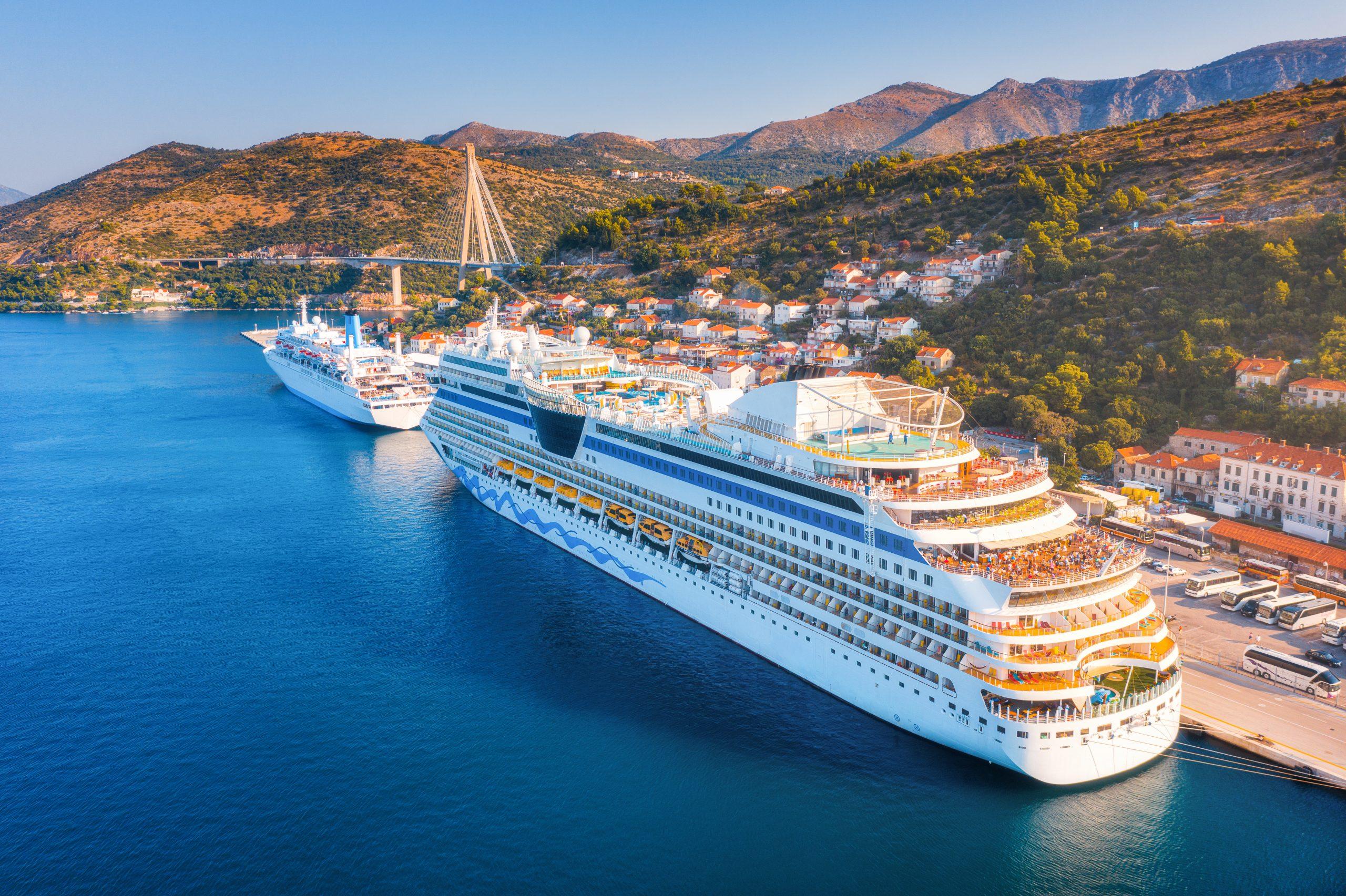
As the idyllic shores of the Caribbean continue to beckon travelers worldwide, the region’s cruise tourism industry stands as a significant catalyst for economic growth and development. With its crystalline waters, vibrant culture, and diverse ecosystems, the Caribbean attracts millions of cruise passengers each year, creating a ripple effect of financial benefits that extend far beyond the docks. In this article, we delve into the multifaceted economic impacts of cruise tourism on local economies, examining how this thriving sector contributes to job creation, infrastructure development, and the overall resilience of Caribbean nations. As stakeholders within the industry assess the sustainability of this booming market, understanding the balance between economic opportunity and environmental stewardship remains paramount for the future trajectory of cruise tourism in this breathtaking region.
Table of Contents
- Economic Impact Analysis of Cruise Tourism on Caribbean Economies
- Exploring Job Creation and Workforce Development Opportunities
- Sustainability Challenges and Strategies for Responsible Tourism Growth
- Recommendations for Strengthening Cruise Tourisms Long-Term Benefits
- Key Takeaways
Economic Impact Analysis of Cruise Tourism on Caribbean Economies
The cruise tourism sector significantly influences the economies of Caribbean nations, providing a multifaceted source of income and growth. As thousands of passengers disembark daily, local businesses, from shops and restaurants to tour operators, experience a surge in revenue. The monetary flow not only stimulates small and medium enterprises but also contributes to larger economic structures, enhancing job opportunities across various sectors. Key economic benefits include:
- Increased Employment: Direct and indirect job creation in tourism, hospitality, and retail.
- Revenue Generation: Significant sales tax and gross receipts for local governments.
- Infrastructure Development: Investment in ports, roads, and public facilities to accommodate increased tourist traffic.
However, a comprehensive economic analysis reveals both the potential benefits and challenges associated with cruise tourism. While cruise lines contribute to local economies, it is essential to consider long-term sustainability issues and the economic leakage that may occur. Many cruise companies operate on a model that minimizes local spending, directing a substantial portion of expenditures back to the cruise line’s home country. This gives rise to concerns about the equitable distribution of benefits. A recent evaluation of spending patterns indicates:
| Spending Category | Percentage of Total Expenditure |
|---|---|
| Local Shops & Markets | 25% |
| Tours & Activities | 30% |
| Cruise Line Fees | 45% |
This analysis underscores the necessity for Caribbean nations to devise strategic frameworks that maximize their economic gains from cruise tourism while mitigating adverse effects. By promoting local experiences and fostering partnerships with cruise lines, Caribbean economies can better harness this lucrative sector to fuel sustainable and inclusive growth.
Exploring Job Creation and Workforce Development Opportunities
The burgeoning cruise tourism sector in the Caribbean has the potential to provide significant job creation and enhance workforce development opportunities across various local communities. As cruise lines expand their itineraries to include stops at Caribbean ports, the demand for a skilled workforce increases dramatically, creating roles not only within the tourism industry but also in related sectors such as hospitality, transportation, and retail. This surge in employment opportunities can lead to a rise in overall economic activity, fostering an environment where local businesses thrive.
Moreover, targeted training programs and partnerships between educational institutions and the tourism industry can equip the local workforce with necessary skills, resulting in a more competitive job market. Some key areas for skills development include:
- Customer service excellence in hospitality settings
- Maritime skills for cruise ship operations
- Event management for onboard activities and shore excursions
- Language proficiency to cater to diverse tourist demographics
This strategic approach not only prepares individuals for immediate job opportunities but also contributes to the sustainability of the tourism sector in the long run.
Sustainability Challenges and Strategies for Responsible Tourism Growth
The growth of cruise tourism in the Caribbean presents unique sustainability challenges that must be addressed to ensure responsible development. Environmental impacts, including marine pollution, waste management, and the carbon footprint associated with large vessels, significantly threaten the delicate ecosystems of the region. Additionally, the influx of tourists can strain local infrastructure, leading to overcrowded attractions and diminished experiences for both visitors and residents. Local communities often face the challenge of balancing economic benefits from cruise tourism against potential degradation of their cultural and natural resources.
To combat these challenges, various strategies can be implemented. Key initiatives include:
- Implementation of stricter environmental regulations for cruise lines, ensuring adherence to waste management and pollution control measures.
- Investment in local infrastructure to accommodate increased tourist traffic while preserving community needs.
- Promotion of sustainable excursion options that limit environmental impact and enhance visitor engagement with local culture.
- Collaboration with local stakeholders to create a balanced approach to tourism that benefits both the economy and the environment.
| Challenge | Strategy |
|---|---|
| Environmental Degradation | Stricter regulations and waste management |
| Infrastructure Strain | Enhancing local facilities and services |
| Cultural Erosion | Promoting sustainable tourism practices |
| Community Displacement | Collaboration with residents and stakeholders |
Recommendations for Strengthening Cruise Tourisms Long-Term Benefits
To ensure that cruise tourism continues to contribute positively to the Caribbean economy, it is essential for stakeholders to adopt a multifaceted approach that prioritizes sustainability and community engagement. Among various strategies, enhancing collaborations between cruise lines and local businesses can significantly boost the economic footprint of cruise tourism. Initiatives could include:
- Promoting local artisans and vendors through onboard markets and excursions.
- Implementing training programs for local workforce to meet the demands of the cruise industry.
- Fostering partnerships between cruise companies and Caribbean governments to create policies that favor sustainable practices.
Moreover, investing in infrastructure development is crucial for accommodating the increasing number of cruise visitors while minimizing environmental impact. Communities should focus on developing resilient port facilities that can handle larger ships while integrating green technologies. Some innovative measures might include:
- Utilizing renewable energy sources at ports to reduce carbon emissions.
- Implementing smart waste management systems to ensure proper disposal and recycling.
- Enhancing transportation links between ports and local attractions to distribute tourism benefits more evenly across the region.
Key Takeaways
the economic benefits of cruise tourism in the Caribbean are substantial and multifaceted, contributing significantly to both local economies and the broader regional landscape. As the industry continues to evolve, it is crucial for stakeholders—including governments, businesses, and local communities—to collaboratively address the challenges and opportunities presented by this thriving sector. By investing in sustainable practices, enhancing infrastructure, and promoting unique cultural experiences, the Caribbean can maximize the advantages of cruise tourism while minimizing its impacts. As we look to the future, a balanced approach will be essential to ensure that this vital industry not only flourishes but also supports the long-term prosperity of the Caribbean’s diverse communities. Continued research and adaptive strategies will be key to navigating the complexities of this dynamic market and securing a bright economic future for the region.