


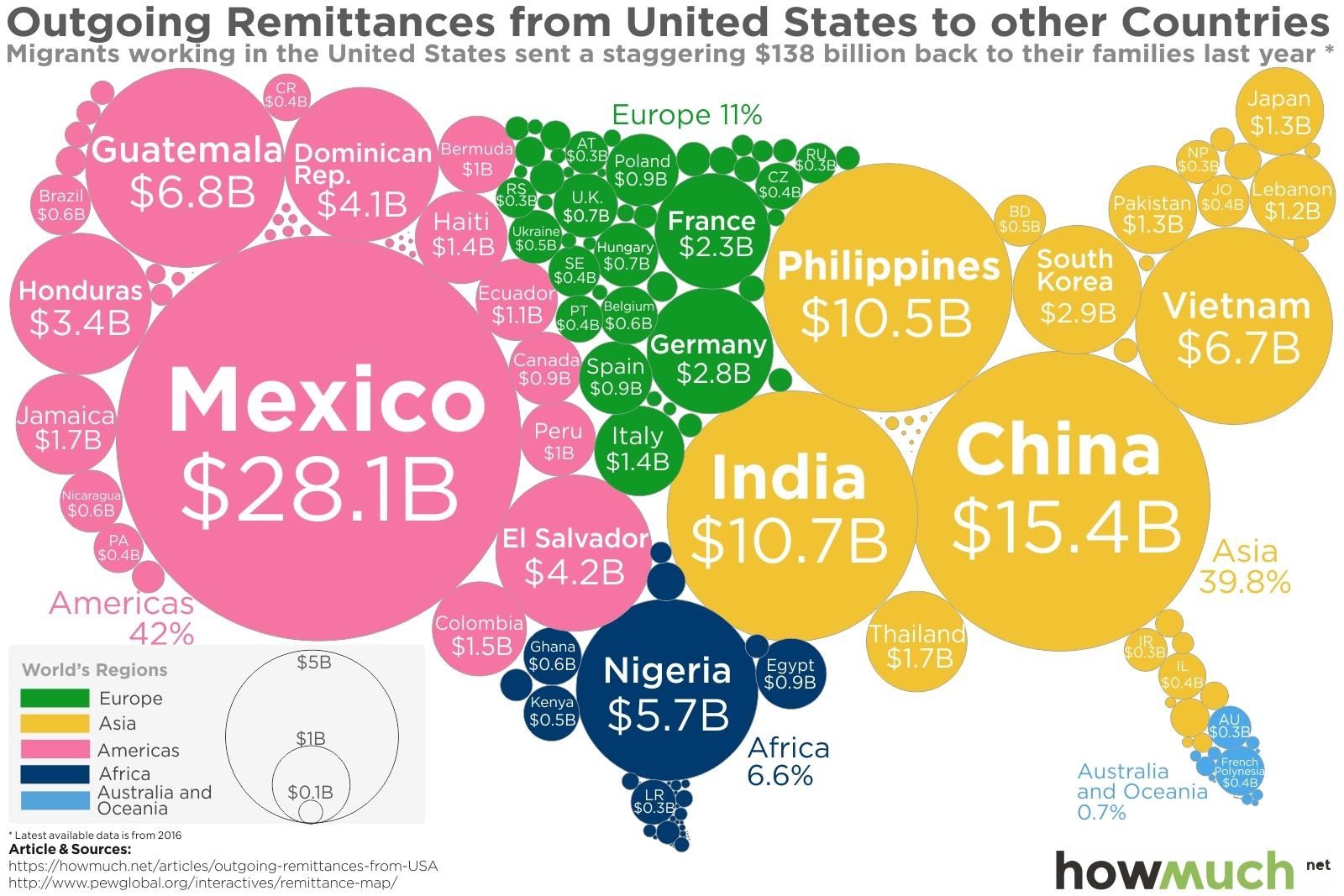
As the Caribbean navigates the complexities of economic recovery and growth in an increasingly globalized world, remittances have emerged as a crucial lifeline for many families and communities throughout the region. With millions of Caribbean nationals living abroad, primarily in North America and Europe, the financial support they send back home plays an integral role in bolstering local economies. This article delves into the multifaceted economic impact of remittances in the Caribbean, examining their contributions to poverty alleviation, consumption patterns, and overall economic stability. By analyzing data and case studies from various Caribbean nations, we aim to provide a nuanced understanding of how these funds not only enhance individual livelihoods but also shape broader economic trends, policy decisions, and development strategies within the region.
Table of Contents
- Understanding the Role of Remittances in Caribbean Economies
- Evaluating the Socioeconomic Benefits of Remittance Inflows
- Challenges in Utilizing Remittances for Sustainable Development
- Strategic Recommendations for Maximizing Economic Gains from Remittances
- In Summary
Understanding the Role of Remittances in Caribbean Economies
Remittances play a crucial role in shaping the economic landscape of Caribbean nations, serving as a significant source of income for many households. These funds, often sent by family members working abroad, contribute to local economies in several impactful ways, including:
- Income Stabilization: They provide a financial safety net, reducing vulnerability to economic shocks.
- Boosting Consumption: Increased disposable income from remittances stimulates local market demand.
- Investments in Education and Health: Families often allocate remittance funds to improve education and healthcare access, fostering long-term development.
Additionally, remittances can enhance social mobility and promote community development projects. The inflow of these monetary transfers helps mitigate poverty levels and bridge income disparities within the region. To illustrate the significance of remittances, consider the following table that highlights key statistics:
| Country | Remittance Inflows (Annual, USD) | Percentage of GDP |
|---|---|---|
| Jamaica | $2.7 billion | 16% |
| Haiti | $3.3 billion | 34% |
| Dominican Republic | $8.2 billion | 8% |
The data underscores that in some Caribbean nations, remittances can constitute a substantial portion of national income. This financial flow not only enhances individual livelihoods but also functions as a vital component for national economic strategies.
Evaluating the Socioeconomic Benefits of Remittance Inflows
The Caribbean region has long relied on remittances as a significant source of income, providing a financial lifeline for countless families. These inflows not only alleviate poverty but also play a crucial role in stimulating local economies. The socioeconomic benefits of remittances can be observed through various avenues, including:
- Increased Household Income: Remittances contribute to higher disposable incomes, allowing families to meet basic needs, invest in education, and improve living standards.
- Boost to Local Businesses: With more disposable income, families often spend on local goods and services, enhancing the overall economic landscape.
- Financial Inclusion: Many remittance recipients are drawn into the formal banking system, fostering a culture of savings and investment.
Furthermore, these financial inflows have a ripple effect throughout the economy. They can lead to improved infrastructure development and enhance public services funded by increased tax revenues generated through higher economic activity. An analysis illustrates the correlation between remittance inflows and growth in various sectors:
| Sector | Impact of Remittances | Growth Percentage |
|---|---|---|
| Education | Increased enrollment rates | 12% |
| Healthcare | Higher expenditure on medical services | 15% |
| Real Estate | Rise in property investments | 10% |
This analysis underscores not only the immediate benefits of remittance inflows but also their potential to drive long-term development within the Caribbean. It is critical for policymakers to understand these dynamics to harness remittances effectively and ensure that their impact continues to resonate across the region.
Challenges in Utilizing Remittances for Sustainable Development
The potential of remittances to foster sustainable development in the Caribbean is often hampered by several systemic challenges. One of the primary issues is the lack of financial literacy among recipients, which can lead to unproductive spending rather than strategic investments. Many families receiving remittances prioritize immediate consumption over long-term goals. Additionally, limited access to traditional banking services restricts households from saving or effectively investing their funds. This results in a reliance on informal channels, increasing vulnerability to fluctuations and fees that erode the benefits of remittances.
Another challenge is the regulatory framework surrounding foreign remittances, which may not adequately support sustainable investment initiatives. The complexity of these regulations can deter recipients from engaging with formal financial institutions. As a result, remittances often do not reach their full potential in stimulating local economies. Moreover, the lack of targeted government programs to channel remittances into productive sectors exacerbates the situation. Without strategic policy interventions and robust infrastructure to facilitate investment opportunities, the transformative potential of remittances remains largely untapped.
Strategic Recommendations for Maximizing Economic Gains from Remittances
To harness the full potential of remittances, Caribbean countries should prioritize financial literacy programs that empower recipients to make informed investment choices. By providing targeted education on budgeting, saving, and investing, communities can transform temporary financial boosts into long-term economic benefits. Furthermore, governments should establish partnerships with local financial institutions to develop tailored products such as low-interest loans and high-yield savings accounts, designed specifically for remittance recipients. These initiatives can encourage recipients to invest in local enterprises, thereby stimulating economic growth.
In addition, it is essential for policymakers to create a conducive environment for facilitating remittance flows by reducing transaction fees and enhancing the accessibility of formal channels. Collaborating with international financial services and leveraging technology can lead to lower costs and faster transfers. Moreover, remittance data should be collected and analyzed to inform policy decisions and investment strategies, ensuring that resources are allocated effectively. Through these strategic measures, the Caribbean can maximize the economic impact of remittances, fostering sustainable development and resilience in local economies.
In Summary
the economic impact of remittances in the Caribbean cannot be overstated. As a vital source of income for many households, these funds not only bolster individual families but also contribute significantly to the broader economic landscape of the region. The data reveal a complex interplay between remittances and local economies, highlighting their role in alleviating poverty, supporting small businesses, and enhancing overall economic resilience.
However, the dependence on remittances also raises important questions about long-term sustainability and economic diversification. While these financial flows provide immediate relief and support development, leveraging them for broader economic growth remains a critical challenge for policymakers in the Caribbean.
As governments and stakeholders work to create environments that maximize the potential of remittances, it is essential to consider integrated strategies that encourage local investment and job creation. By fostering a more resilient economic framework, the Caribbean can move toward a future where communities thrive not only through remittances but also through robust, sustainable economic opportunities.
The path ahead will require collaboration, innovation, and a commitment to addressing the multifaceted issues surrounding remittances. As the Caribbean continues to navigate these challenges, understanding the full scope of remittances’ economic impact will be crucial in shaping a prosperous future for the region.