


: An In-Depth Analysis
As the Caribbean navigates the complexities of a rapidly evolving global market, the significance of trade agreements in shaping regional economies has never been more pronounced. Amidst ongoing discussions about economic resilience, sustainable development, and regional integration, stakeholders are increasingly scrutinizing how trade pacts affect the Caribbean’s economic landscape. From the Caribbean Community (CARICOM) to partnerships with global powers, these agreements present both opportunities and challenges that can define the economic future of island nations. This article aims to provide a comprehensive analysis of the influence of trade agreements on Caribbean economies, exploring their impact on trade flows, investment, job creation, and long-term growth prospects. By evaluating current agreements and their outcomes, we seek to illuminate the path forward for Caribbean economies in an era marked by uncertainty and change.
Table of Contents
- Evaluating Economic Growth Trajectories Stemming from Trade Agreements in the Caribbean
- Analyzing Sector-Specific Impacts of Trade Policies on Regional Industries
- Highlighting Social and Environmental Considerations in Trade Agreement Assessments
- Proposing Strategic Recommendations for Enhancing Trade Benefits in Caribbean Economies
- The Way Forward
Evaluating Economic Growth Trajectories Stemming from Trade Agreements in the Caribbean
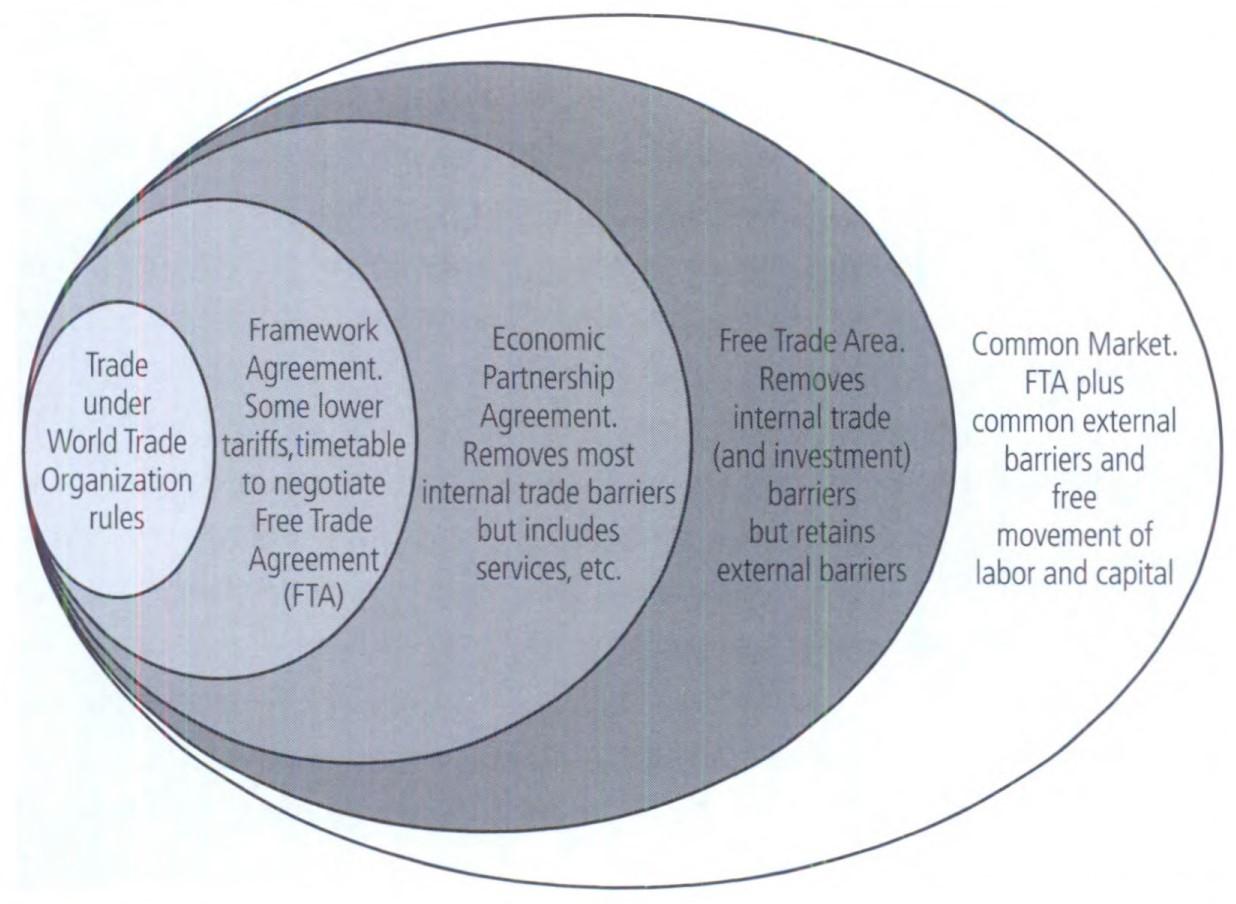
Trade agreements have emerged as pivotal instruments for shaping economic landscapes in the Caribbean, catalyzing growth through increased trade flows, investment opportunities, and enhanced market access. The region’s strategic position, accompanied by its rich cultural and natural resources, makes it an attractive hub for international partnerships. An array of agreements, such as the Caribbean Community (CARICOM) Single Market and Economy (CSME) and the Economic Partnership Agreements (EPAs) with the European Union, have demonstrated varying impacts on local economies by promoting sectors such as tourism, agriculture, and manufacturing. These agreements not only encourage foreign direct investment but also foster regional cooperation, leading to collective strategies in tackling economic challenges.
Quantitatively assessing the economic growth trajectories resulting from these trade pacts reveals distinct outcomes for individual nations. Key performance indicators can be influenced by factors including tariff reductions, trade facilitation measures, and regulatory harmonization. The table below illustrates the GDP growth rates pre- and post-agreement implementation for selected Caribbean nations, highlighting patterns of recovery and expansion:
| Country | Pre-Agreement GDP Growth (%) | Post-Agreement GDP Growth (%) |
|---|---|---|
| Jamaica | 1.2 | 4.5 |
| Barbados | 0.8 | 2.3 |
| Trinidad and Tobago | 0.5 | 3.1 |
By analyzing these growth rates, it becomes clear that the influence of trade agreements varies significantly among nations, reflecting their unique economic structures, policy implementations, and capacities to adapt to global market changes. Continuous monitoring and evaluation are essential for maximizing the benefits derived from trade agreements, enabling countries in the Caribbean to strategically align their Economic Development Plans with evolving international trade dynamics.
Analyzing Sector-Specific Impacts of Trade Policies on Regional Industries
Trade policies have profound implications for specific sectors in Caribbean economies, influencing everything from agricultural exports to tourism. The introduction of free trade agreements can lead to increased market access for regional industries, but they also expose local producers to international competition. For example, the agricultural sector may benefit from lower tariffs on exporting goods like bananas and coffee, but simultaneously face pressure from imported products that could undermine local prices. As a result, the approach to trade must be carefully tailored to balance benefits while protecting key industries.
The impact of trade policies can vary significantly between sectors, requiring targeted strategies for adaptation and growth. Some industries may thrive under liberalized trade conditions, while others may need support to bolster their competitiveness. Key areas of concern include:
- Tourism: Trade agreements can lead to increased visitor numbers, boosting local economies.
- Manufacturing: Tariff reductions may stimulate growth but can also challenge small producers to innovate and enhance efficiency.
- Fisheries: Access to new markets can provide opportunities, yet sustainability practices must remain a priority.
| Sector | Impact of Trade Policies |
|---|---|
| Agriculture | Benefits from exports but faces stiff competition. |
| Tourism | Potential growth with increased access to international markets. |
| Manufacturing | Encouraged innovation but pressure to remain cost-competitive. |
| Fisheries | New opportunities with market access; sustainability is key. |
Highlighting Social and Environmental Considerations in Trade Agreement Assessments
In the evaluation of trade agreements, it is essential to integrate social and environmental considerations alongside economic metrics. These considerations not only impact the immediate region but also have far-reaching implications for future generations. By examining factors such as labor rights, community health, and environmental sustainability, negotiators can ensure that trade agreements support not only economic growth but also social equity and environmental protection. Ensuring these aspects are prioritized can help mitigate potential negative effects of trade liberalization, such as worker exploitation and environmental degradation, particularly in vulnerable Caribbean economies.
To illustrate the importance of these considerations, stakeholders can benefit from analyzing frameworks that integrate social and environmental assessments into trade evaluations. For instance, employing criteria like community impact, sustainability practices, and transparency in negotiations can lead to a balanced approach that acknowledges both economic benefits and essential values. The following table outlines key metrics that can be utilized for such assessments:
| Metric | Description |
|---|---|
| Labor Rights Compliance | Assessment of adherence to labor laws and fair trade practices. |
| Environmental Impact | Evaluation of potential ecological consequences arising from trade activities. |
| Community Engagement | Involvement of local communities in the decision-making process. |
| Transparency Levels | Degree of openness in the negotiation and implementation processes. |
Proposing Strategic Recommendations for Enhancing Trade Benefits in Caribbean Economies
In order to capitalize on existing trade agreements, Caribbean economies could benefit from enhancing their strategic approaches. Investing in infrastructure is paramount; improved transport and logistics systems can significantly reduce trade costs and facilitate smoother trade routes. Additionally, stakeholders should prioritize technology adoption within the agricultural sector to boost productivity and quality, enabling Caribbean products to compete more effectively in international markets. Establishing trade facilitation measures that streamline customs processes and reduce bureaucratic red tape can also enhance the flow of goods across borders, ultimately increasing trade volume.
Moreover, enhancing regional cooperation among Caribbean nations can create a unified front in negotiating trade terms. Expanding collaborative initiatives such as shared marketing campaigns for regional products, like rum and spices, could amplify visibility on the global stage. Governments and private sectors should explore avenues for capacity building to ensure that local businesses can meet international quality standards. The table below highlights key areas of focus to strengthen trade frameworks:
| Focus Area | Strategic Action |
|---|---|
| Infrastructure Development | Invest in transport and logistics |
| Technology Integration | Adopt advanced agricultural techniques |
| Trade Facilitation | Simplify customs procedures |
| Regional Collaboration | Joint marketing efforts |
| Capacity Building | Train local businesses on standards |
The Way Forward
the assessment of trade agreements’ influence on Caribbean economies reveals a complex interplay of opportunities and challenges. As nations in the region navigate an increasingly interconnected global marketplace, understanding the nuances of these agreements becomes imperative. While trade partnerships have the potential to stimulate economic growth, enhance regional cooperation, and attract foreign investment, they also pose risks related to market vulnerabilities and dependency.
Therefore, it is crucial for Caribbean governments to adopt a proactive and strategic approach to trade negotiation and implementation. By fostering robust domestic policies, investing in infrastructure, and prioritizing local industries, Caribbean nations can better harness the benefits of trade agreements while mitigating potential downsides. As the region continues to evolve within the global economic landscape, ongoing dialog, collaboration, and informed decision-making will be key to ensuring that trade agreements serve as a catalyst for sustainable development in the Caribbean.