


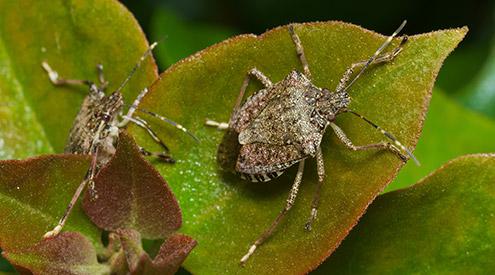
As the sun-drenched shores of the Caribbean continue to captivate travelers from around the globe with their azure waters and vibrant ecosystems, a silent yet pressing crisis looms beneath the surface. Invasive species—non-native plants, animals, and microorganisms—are threatening the delicate balance of these spectacular environments, posing significant challenges to conservation efforts throughout the region. From the colorful coral reefs to lush rainforests, the introduction and spread of these aggressive invaders disrupt local ecosystems, threaten native species, and undermine the livelihoods of communities reliant on natural resources. In this article, we will explore the multifaceted battle against invasive species in the Caribbean, examine the causes and consequences of their proliferation, and highlight innovative strategies and collaborative initiatives aimed at safeguarding the region’s rich biodiversity for future generations. Join us as we delve into this crucial conservation challenge that demands urgent attention and concerted action.
Table of Contents
- Understanding the Impact of Invasive Species on Caribbean Ecosystems
- Key Strategies for Effective Invasive Species Management
- Collaborative Efforts in Community Engagement and Education
- Innovative Approaches to Restoration and Biodiversity Enhancement
- Final Thoughts
Understanding the Impact of Invasive Species on Caribbean Ecosystems
The Caribbean region, renowned for its vibrant ecosystems and rich biodiversity, faces significant threats from invasive species that disrupt the delicate balance of native habitats. These non-native organisms frequently outcompete local species for resources, leading to a decline in native populations and altering the structure of communities. For example, the introduction of predatory fish like the lionfish has wreaked havoc on coral reef ecosystems, where they prey on vital herbivorous species that maintain coral health. This change not only threatens the reefs but also the livelihoods of those who depend on them for fishing and tourism.
The consequences extend beyond ecological concerns, impacting both the economy and the cultural heritage of the Caribbean. Management efforts often include the use of various strategies to combat invasives, such as:
- Public Awareness Programs: Educating communities about the implications of invasive species.
- Targeted Removal Initiatives: Organizing local divers to remove lionfish and other detrimental species.
- Legislation: Enforcing stricter regulations on the introduction of new species.
Collaborative approaches among governments, non-profits, and local communities are essential to effectively preserve the region’s unique biodiversity and ensure that future generations can enjoy these natural treasures.
Key Strategies for Effective Invasive Species Management
To combat the rising threat of invasive species in the Caribbean, a multi-faceted approach is crucial. Effective management begins with a solid understanding of local ecosystems and the specific invasive species that threaten them. Key strategies include:
- Early Detection and Rapid Response: Establishing monitoring programs to identify new invasions promptly can significantly reduce their impact.
- Public Awareness and Education: Engaging local communities through workshops and outreach programs helps individuals recognise and report invasive species.
- Collaboration with Local Stakeholders: Involving NGOs, governmental agencies, and local communities ensures comprehensive strategies tailored to regional needs.
In addition to these proactive measures, long-term sustainability requires integrated management practices. This includes:
- Restoration of Native Habitats: Prioritizing restoration projects can strengthen ecosystems against invasions.
- Regulations and Policies: Implementing stringent controls on the importation of potentially invasive species is essential for prevention.
- Research and Monitoring: Ongoing research into invasive species dynamics and their impacts will inform adaptive management strategies.
| Management Strategy | Key Focus |
|---|---|
| Monitoring Programs | Identify new invasions quickly |
| Community Engagement | Raise awareness and encourage reporting |
| Policy Implementation | Create regulations to prevent introduction |
Collaborative Efforts in Community Engagement and Education
Effective conservation strategies in the Caribbean necessitate the collective efforts of local communities, environmental organizations, and educational institutions. By fostering partnerships, stakeholders can implement multifaceted approaches to tackle the invasive species crisis impacting local ecosystems. Organizations like Caribbean National Wildlife Coalition and various universities have spearheaded initiatives that focus on educating the public about the threats posed by invasive species, while also encouraging volunteer days for removal and monitoring. Engaging community members in hands-on activities nurtures a sense of responsibility and ownership over local environments, ensuring long-term commitment to conservation efforts.
Community engagement efforts include workshops, school programs, and outreach campaigns aimed at raising awareness and promoting best practices for invasive species management. These initiatives often feature:
- Interactive Workshops: Facilitating a dynamic learning environment where participants can share knowledge and experiences.
- School Projects: Integrating environmental education into school curricula, inspiring the next generation of conservationists.
- Local Clean-Up Events: Organizing group activities that not only combat invasive species but also foster community spirit.
Collaboration extends to utilizing technology, such as mobile apps for reporting invasive sightings that enable greater participation and data collection. By working together, communities can not only combat the current threats posed by invasive species but also build a resilient framework for ongoing education and ecological stewardship.
Innovative Approaches to Restoration and Biodiversity Enhancement
As Caribbean ecosystems face the encroachment of invasive species, innovative strategies are being developed to not only manage these threats but also enhance local biodiversity. One such approach involves the collaboration of local communities and conservationists in creating integrated management plans. By engaging community members in discussions and decisions, solutions become more culturally relevant and sustainable. Despite the challenges, community-led initiatives have demonstrated success in utilizing traditional knowledge to combat invasives through methods such as:
- Targeted removal of invasive plant species to restore native habitats.
- Restoration gardening that incorporates native flora, improving habitat for native fauna.
- Awareness programs that educate about the importance of local biodiversity.
Moreover, leveraging technology for real-time data collection has proven to be transformative in combating invasive species. For instance, mobile applications enable citizens to report sightings of non-native species, creating a rapidly updated database for conservationists. This data can help guide focused eradication efforts and ensure resources are allocated efficiently. Innovative partnerships between government agencies and tech companies have also led to initiatives such as:
| Initiative | Description |
|---|---|
| Invasive Species Mapping | Interactive maps showcasing invasive species hotspots. |
| Drone Surveillance | Using drones to monitor and assess areas affected by invasives. |
| Genetic Research | Studying invasive species’ genetics to identify weaknesses. |
Final Thoughts
As we conclude our exploration of the urgent battle against invasive species in the Caribbean, it’s clear that the path forward will require collaborative efforts, innovative strategies, and unwavering commitment from all stakeholders. The rich biodiversity of this region not only supports its unique ecosystems but also underpins the livelihoods and cultures of countless communities.
By raising awareness, promoting sustainable practices, and investing in research and management strategies, we can turn the tide against these ecological threats. Every small action counts, whether it’s participating in local clean-up efforts, supporting conservation organizations, or simply educating ourselves and others about the impact of invasive species.
Let’s unite in our efforts to protect the Caribbean’s natural heritage for future generations. Together, through collective action and informed decision-making, we can ensure that the islands remain vibrant, diverse, and resilient in the face of these challenges. The fight against invasive species is far from over, but with dedication and teamwork, we can secure a healthier ecosystem for everyone who calls this beautiful region home. Thank you for joining us on this important journey, and let’s continue to advocate for conservation in the Caribbean!