


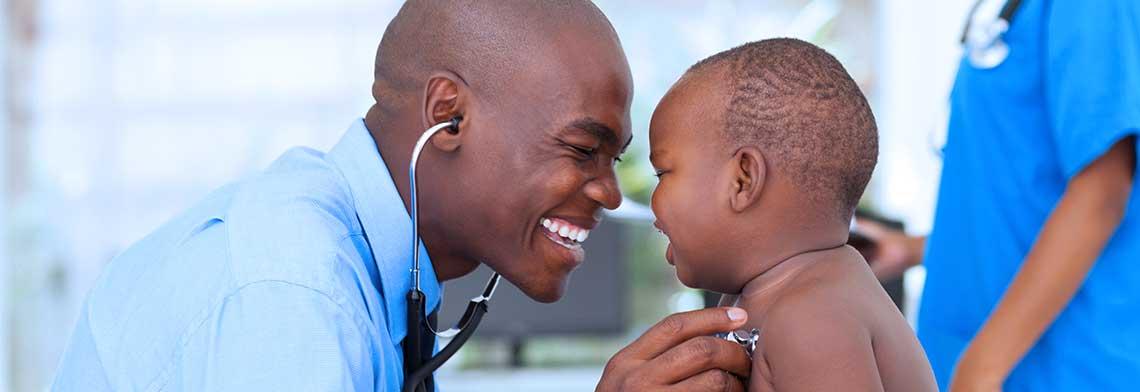
In the vibrant tapestry of the Caribbean, where turquoise waters kiss sun-kissed shores, lies a narrative often overshadowed by the beauty of the landscape—one of struggle, resilience, and an unyielding quest for healthcare justice. For many in this breathtaking region, access to quality healthcare is not just a convenience; it’s a fight for survival. Behind the idyllic façade, countless individuals navigate a web of systemic barriers that often leave them vulnerable and in despair. Stories abound of families torn apart by the inability to afford medical treatment, of mothers grappling with the agony of watching their children suffer without the necessary interventions, and of the countless healthcare workers who strive tirelessly yet are hampered by inadequate resources. This is not just an issue of policy or economics; it is a deeply personal call to action—one that resonates within the hearts of those who refuse to accept the status quo. Join us as we delve into the profound challenges faced in the pursuit of healthcare in the Caribbean, shedding light on the voices that echo through the struggle for change, and exploring the paths to a brighter, healthier future for all.
Table of Contents
- Understanding the Heart of the Struggle for Accessible Healthcare in the Caribbean
- Exploring the Impact of Economic Disparities on Health Outcomes
- Empowering Communities: Grassroots Solutions for Health Equity
- Building a Future: Collaborative Strategies for Sustainable Healthcare Reform
- The Way Forward
Understanding the Heart of the Struggle for Accessible Healthcare in the Caribbean
The Caribbean is a mosaic of cultures, breathtaking landscapes, and resilient communities, yet within its vibrant tapestry lies a persistent struggle: access to healthcare. This ongoing battle is not solely about the absence of medical facilities but encompasses the systemic issues that plague the region. As many nations strive to enhance healthcare policies, funding deficiencies and limited resources continue to hinder progress. Vulnerable populations often bear the brunt of these challenges, facing barriers that are both economic and geographic. Imagine a single mother in a rural village, forced to choose between traveling hours for a consultation or forgoing care altogether. Such scenarios illustrate the depth of the issue, emphasizing the urgent need for systemic reform to truly fortify healthcare accessibility throughout the archipelago.
Success in overcoming these obstacles requires a multifaceted approach. Stakeholders must focus on several vital areas to promote equitable healthcare:
- Infrastructure Development: Expanding facilities in underserved areas
- Healthcare Workforce Training: Building capacity through education and skill enhancement
- Policy Advocacy: Enhancing legislation to protect the rights to accessible healthcare
- Community Engagement: Involving locals in decision-making processes
- Telemedicine Expansion: Utilizing technology to reach remote populations
The collective effort of governments, non-governmental organizations, and community leaders will play a crucial role in dismantling these barriers. By addressing the root causes of inequity and actively involving communities in the dialog, the Caribbean can pave the way toward a healthcare system that reflects its intrinsic values of solidarity and resilience.
Exploring the Impact of Economic Disparities on Health Outcomes
The stark reality of economic disparities in the Caribbean profoundly influences health outcomes, creating a cycle of disadvantage that is difficult to break. Individuals in lower-income brackets often face barriers to accessing quality healthcare services, which can lead to deteriorating health and increased mortality rates. Factors contributing to this issue include:
- Limited access to healthcare facilities: In many rural areas, healthcare institutions are sparse, forcing residents to travel long distances for treatment.
- Financial constraints: The high cost of medical care and medications can be prohibitive, pushing families to forgo necessary treatments.
- Health education disparities: A lack of awareness about hygiene and prevention leads to higher rates of preventable diseases in economically disadvantaged communities.
Consequently, statistics reveal a troubling correlation between income level and health outcomes in this region. For instance, consider the following table illustrating the average life expectancy compared to income levels in selected Caribbean nations:
| Country | Average Life Expectancy | Average Income (USD) |
|---|---|---|
| Jamaica | 75.4 years | $5,200 |
| Dominica | 78.1 years | $9,300 |
| Haiti | 64.3 years | $1,200 |
These numbers reveal a heart-wrenching truth: higher income often equates to better health outcomes. The struggle for equitable access to healthcare in the Caribbean is not just an economic issue; it is a moral imperative. Ensuring that all individuals, regardless of their economic status, can obtain the care they need is essential for nurturing a healthier future for the region as a whole.
Empowering Communities: Grassroots Solutions for Health Equity
In the Caribbean, health disparities are not merely statistics; they represent real stories of struggle and resilience. Many communities face overwhelming barriers to accessing healthcare, yet amidst these challenges, grassroots movements are emerging as beacons of hope. Local organizations and passionate individuals are coming together, armed with the determination to create tailored solutions that address the unique needs of their neighborhoods. These efforts often include:
- Community Workshops: Educational events focused on prevention and health literacy.
- Mobile Clinics: Access to care in remote areas where health services are scarce.
- Patient Advocacy: Empowering individuals to navigate the healthcare system effectively.
- Collaboration with Local Leaders: Engaging those in power to prioritize health equity in policy-making.
As we shine a light on these grassroots initiatives, it becomes evident that the collective power of communities can indeed turn the tide against inequity. Through innovative approaches and unwavering commitment, local activists are actively redefining what healthcare should look like for everyone. The journey towards equity is fraught with challenges, yet the passion and dedication of these community heroes illuminate a path forward—a path rooted in solidarity, empowerment, and the unshakeable belief that health is a fundamental human right.
Building a Future: Collaborative Strategies for Sustainable Healthcare Reform
In the Caribbean, the quest for equitable healthcare often feels like a daunting climb up a steep mountain, where the summit represents a dream long lost in the fog of financial constraints and political inaction. The region struggles with fragmented services and uneven access, leaving many residents grappling with the harsh realities of far-too-limited medical resources. Communities have rallied together, sharing tools, knowledge, and hope, demonstrating that collaboration is not merely a strategy but a lifeline. From grassroots organizations to government initiatives, the power of collective action has emerged as a beacon, paving the way for more inclusive and sustainable healthcare solutions.
Transformative change requires a shared vision that transcends traditional silos. Although challenges abound, innovative partnerships are emerging, inviting stakeholders from various sectors to unite under a common goal. Health professionals, community leaders, and policymakers must come together to create synergies that prioritize preventative care while addressing the immediate needs of vulnerable populations. By establishing open lines of communication and fostering an environment of trust, we can harness the strengths of diverse players within the Caribbean healthcare ecosystem. Initiatives led by motivated individuals and organizations can spark a revolutionary approach, turning past adversities into stepping stones for a future where everyone can access quality healthcare.
The Way Forward
As we conclude our journey through the complex landscape of healthcare in the Caribbean, it’s clear that breaking barriers is not just a matter of policy or economics—it’s a deeply human struggle. Each statistic represents a person, a family, a community grappling with the realities of inadequate access to care. We’ve heard the voices of those advocating for reform, the healthcare workers on the frontlines, and the individuals whose lives depend on a functioning system. Their stories of resilience and hope remind us that change is indeed possible, but only if we come together to continue the fight.
In this vibrant region, where natural beauty meets rich cultural heritage, the promise of equitable healthcare must not remain a distant dream. It is a shared responsibility to ensure that everyone—from the bustling city centers to the most remote villages—has access to the care they need and deserve. Let us carry the lessons learned and stories shared into our daily lives, advocating for change, raising awareness, and holding leaders accountable.
the struggle for healthcare in the Caribbean is far more than a battle for resources; it’s a call to acknowledge our shared humanity. It’s a reminder that behind every challenge lies an opportunity for compassion and solidarity. Together, as we continue to fight these barriers, may we never lose sight of the hope and determination that fuels our quest for a healthier future for all. Thank you for joining us on this important conversation—let’s keep it going.