



by Curlan Campbell
- 10 of 11 candidates achieved Grade I in CAPE Performing Arts (Drama Unit 2)
- 3 CSEC Theatre Arts candidates secured Grade I, and four received Grade II
- CRWPAA committed to nurturing young talent through structure, play, and mentorship
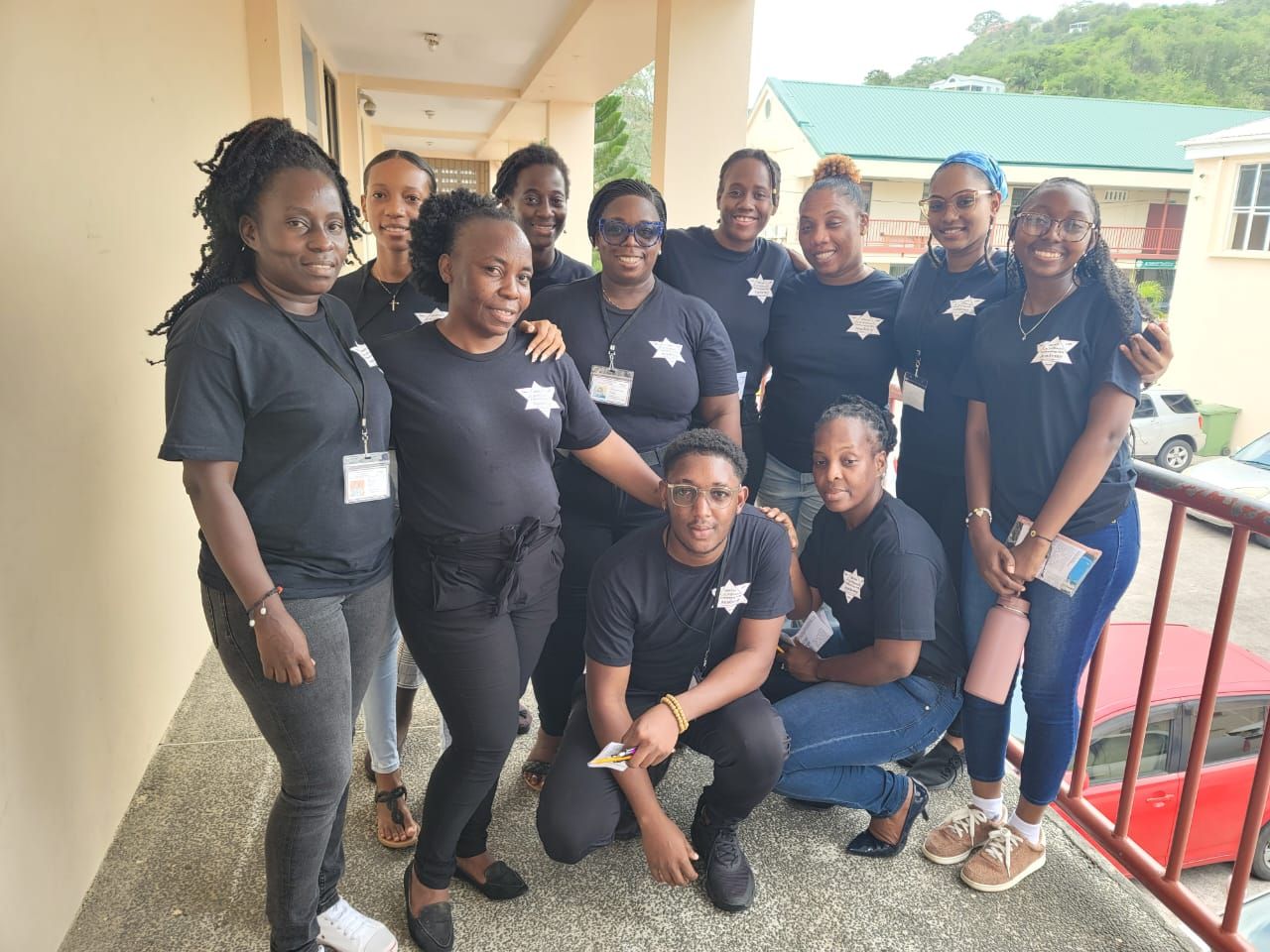
The C R Williams Performing Arts Academy (CRWPAA) is celebrating remarkable success in the 2025 CAPE and CSEC examinations, with students delivering some of the strongest results in the academy’s history.
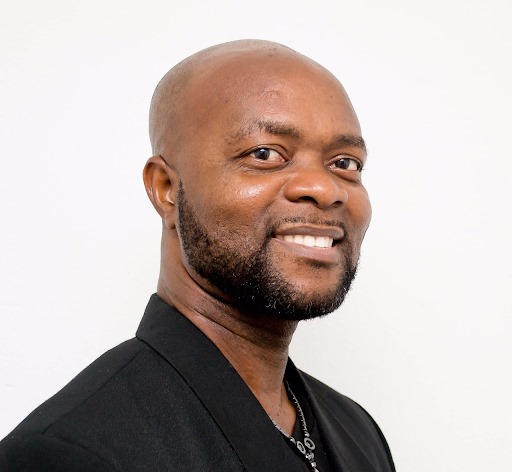
The Performing Arts (Drama Unit 2) cohort stood out, with 10 of the 11 candidates achieving Grade I. Speaking on this achievement, Distinguished Performer and Educator, Dr Christopher Roger Williams, attributed the success to what he calls a process of “holistic transformation.”
“We commit to a process of holistic transformation, not just exam preparation,” Dr Williams explained. “The curriculum, which we call The Unearthing Practice, is a 16-week intensive designed to forge a complete performer… By the time students face their final performance, they are not just reciting lines; they are living truthfully inside a shared story they helped create. The fact that 10 out of 11 students achieved a Grade I is a direct validation of this process-oriented methodology.”
While the CAPE Unit 2 group excelled, the CSEC Theatre Arts candidates reflected more varied results. Three students secured Grade I, and four received Grade II. Dr Williams noted that this was by design, given the diversity of the cohort. “The CSEC Theatre Arts group is a wonderfully diverse cohort, ranging from a gifted 9-year-old like Karisa Alexander to experienced adult learners like Aklemia Lucas,” he said. “For many, this is their first formal, intensive engagement with theatre. The variation in results… is a natural and healthy reflection of these different starting points. A Grade II for an 11-year-old like Natanya Gidharry is a monumental achievement.”
Among the standout performers were 6 students — Dexena Dharangit, Rose Fraser, Milinda McIntosh, Lilleen Nedd, Selena Noel, and Chad Welsh — who earned straight A profiles across all components. Dr Williams credited CRWPAA’s method of total integration.
“Theory is not taught in a vacuum. A discussion on Stanislavski is immediately followed by a sensory exercise… The Actor’s Process Journal is the critical tool that binds it all together,” he explained. “Their ‘A’ profiles… demonstrate a mastery of this synthesis — they learned to think, feel, and embody the work as a single, unified practice.”
Not every candidate had an easy path. One student, Tracy Francois, earned a Grade II, but Williams highlighted her progress as equally valuable. “In our studio, individual success is tied to collective success,” he said. “The high-flyers are challenged not just to perfect their own roles, but to become leaders, mentors, and empathetic scene partners… Tracy’s dedicated work and the ensemble’s support are why she still achieved a commendable CAPE grade.”
The academy also saw exceptionally young candidates, including 9-year-old Alexander and 11-year-olds Ronique and Gidharry. Williams emphasised CRWPAA’s commitment to nurturing young talent through structure, play, and mentorship. “The rigorous exercises are framed as disciplined games… Crucially, we foster a ‘big brother/big sister’ culture where older students guide and protect the younger ones.”
When asked about the long-term impact of such early exposure, Williams stated, “This isn’t just drama training; it’s leadership training. It builds a core of self-confidence and creative courage that will empower them in any classroom, boardroom, or stage they choose to enter in the future.”
Looking ahead, Williams revealed plans to enhance the curriculum further, including introducing a structured emotional self-care component for families. “The transformation shown by the students often leaves family members in awe… Therefore, we must care for the parents as much as we train the artist’s instrument.”
Ultimately, Dr Williams sees the academy’s achievements as proof of Grenada’s cultural potential. “What excites me is the irrefutable proof of potential,” he declared. “These students are not just the future of our stages; they are the future leaders, innovators, and empathetic citizens of our nation. That doesn’t just excite me; it gives me profound hope.”