


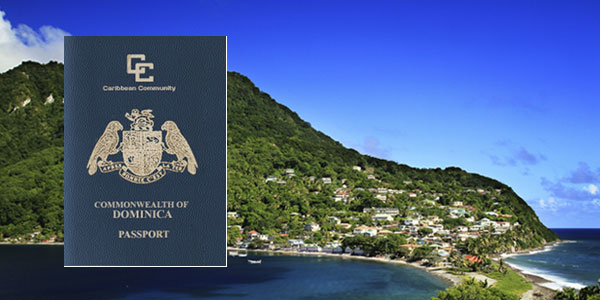
A 30-day residency requirement, mandatory integration programs and “genuine link” to countries are among proposals put forth by Caribbean nations with Citizenship by Investment (CBI) programs as they face international scrutiny and pressure.
Additionally, they are proposing an annual cap on applications, a draft agreement between the so-called Caribbean Five consisting of Antigua and Barbuda, Dominica, Grenada, St Kitts and Nevis, and Saint Lucia shows.
This means that applicants for passports for any of these Caribbean countries must reside there for at least 30 days, undergo integration programs and show they have “genuine links” in order to qualify for receiving citizenship.
The new requirements are a radical shift from the original method of offering citizenship without applicants having to relocate and were outlined in the draft agreement, dated July 1, 2025, that proposes the creation of a regulatory body to oversee CBI programs in the five Caribbean countries.
“The Unit or other Competent Authority of a Participating State shall ensure that an Applicant to whom citizenship is to be granted shall be required to commit to establishing a genuine and effective link to the Participating State through the fulfillment of residency and integration obligations,” the draft agreement reads.
It went on to say that applicants must be “physically present within the territory of the Participating State for an aggregate of at least thirty days during or up to any of the first five calendar years after the date of the grant of the certificate of citizenship or naturalization…”
Not only that, the draft agreement is proposing that the physical presence of passport applicants is not enough but they must engage in “mandatory integration programs which may include (i) civic education, including knowledge of the laws, history and constitutional principles of the Participating State; (ii) cultural orientation or community service engagement; and (iii) an in-person or virtual interview conducted by a Competent Authority of the Participating State…”
The draft agreement also proposed an annual cap on applications whereby the “Board shall recommend to the Council a maximum number of applicants who may be granted citizenship by investment in each Participating State in a financial year, based on an annual assessment of global demand, economic impact, national absorptive capacity and reputational risk.”
Each of the participating countries will report every month to the new regulatory body which will “determine and approve the maximum number of applicants to be granted citizenship in each Participating State in a financial year.”
The 66-page draft agreement said the regulatory body will be known as “the Eastern Caribbean Citizenship by Investment Regulatory Authority (EC CIRA)” and its purpose will be “regulating and maintaining public confidence in the citizenship by investment programs in the Participating States.”
It has been placed on the website of the Eastern Caribbean Central Bank (ECCB) and will be available till July 16 for public comment. Link: https://www.eccb-centralbank.org/draft-legislation-for-establishment-of-cbi-cip-regulator
Feedback should be submitted via the following channels: Email: [email protected] or WhatsApp: 1 (869) 662-3543.
CBI programs, like the one run by St Kitts, Dominica, as well as other Caribbean islands, have been under international pressure for the fact that they offer citizenship without the requirement of residency.
Last month, the Trump administration in the US announced that 36 countries, including Dominica, were under consideration for a travel ban. One of the reasons given was that some of the countries did not meet State Department requirements such as having the availability of citizenship by monetary investment without residency requirement.
The European Union (EU) is working on legislation to put mechanisms in place to suspend visa-free travel to the Schengen area in Europe for countries, such as the Caribbean Five, that operate investor citizenship, “whereby citizenship is granted to people who have no genuine link to the third country concerned, in exchange for pre-determined payments or investments.”
The full draft agreement is available below.
Download (PDF, 925KB)