


Title: The Caribbean’s Cultural Influence: Shaping Global Entertainment Trends
As the vibrant rhythms of calypso and reggae resonate far beyond the shores of the Caribbean, the region’s rich tapestry of cultural expressions continues to leave an indelible mark on the global entertainment landscape. From music to film, fashion to culinary arts, the Caribbean’s diverse heritage has not only enriched its local communities but has also pioneered trends that captivate audiences worldwide. This article explores the influential role that Caribbean culture plays in shaping contemporary entertainment, examining the cross-pollination of styles and ideas that highlight the region’s creative prowess. As we delve into the narratives of renowned artists and emerging talents, we uncover how Caribbean culture serves as a powerful catalyst for innovation and inspiration in the global arts scene.
Table of Contents
- Exploring the Roots of Caribbean Influence in Worldwide Music and Dance
- Cinematic Contributions: The Caribbeans Impact on Global Film Markets
- The Role of Caribbean Festivals in Shaping International Entertainment Trends
- Recommendations for Enhancing Caribbean Cultural Representation in Media
- In Retrospect
Exploring the Roots of Caribbean Influence in Worldwide Music and Dance
The vibrant and diverse cultures of the Caribbean have long served as a wellspring of inspiration for artists and musicians across the globe. From the rhythmic beats of calypso and reggae to the lively movements of salsa and merengue, Caribbean music embodies a unique fusion of African, European, and indigenous influences. This rich tapestry has led to the creation of genres that resonate well beyond the islands, infusing mainstream music with infectious energy and distinct melodies. As a result, Caribbean sounds have infiltrated various popular music genres, including hip-hop, R&B, and pop, propelling artists like Bob Marley and Shakira to international stardom and influencing countless others along the way.
In dance, the Caribbean’s impact is equally profound, with styles like rumba and tango drawing heavily on the region’s traditions. Notable contributions include the incorporation of vibrant, expressive movements that accentuate rhythm and promote social connection. Worldwide, dance studios often feature Caribbean-inspired classes, allowing enthusiasts to engage with the culture firsthand while promoting inclusivity and celebration. The following table highlights some key Caribbean influences on global music and dance, showcasing their far-reaching effects:
| Influence | Origin | Global Impact |
|---|---|---|
| Reggae | Jamaica | Inspired numerous artists, led to the reggae revival. |
| Salsa | Cuba | Fused with jazz, became popular in Latin dance clubs. |
| Dancehall | Jamaica | Influenced hip-hop and electronic music trends globally. |
| Bachata | Dominican Republic | Gained popularity in mainstream music and dance circles. |
Cinematic Contributions: The Caribbeans Impact on Global Film Markets
The Caribbean has long been a vibrant tapestry of culture, and its influence on global film markets is undeniable. From the striking landscapes that have served as some of Hollywood’s most beloved backdrops to the rich narratives that resonate with audiences worldwide, the contributions of Caribbean filmmakers and stories have painted a broader picture of cinematic storytelling. Notable films and their Caribbean roots demonstrate this impact:
- “The Harder They Come” (1972) – This seminal Jamaican film brought reggae music to the forefront and introduced international audiences to the cultural struggles of the Caribbean.
- “Pirates of the Caribbean” Series – Though fictional, this franchise highlights the region’s maritime history, folklore, and stunning visuals, drawing millions of viewers to the Caribbean’s allure.
- “The Caribbean” (2012) – A documentary that explored the lives and stories of Caribbean peoples, adding depth to Western perceptions of the islands.
As the industries continue to evolve, regional filmmakers are gaining recognition for their authentic storytelling and distinctive aesthetics. The emergence of film festivals such as the Trinidad and Tobago Film Festival and the Caribbean Tales International Film Festival illustrates the growing demand and appreciation for Caribbean narratives. Such platforms not only showcase local talents but also foster collaborations that bridge cultural gaps. The table below highlights key genres influenced by Caribbean culture:
| Genre | Key Elements | Notable Films |
|---|---|---|
| Drama | Social issues, cultural identity | “Cane River” (1982), “The Last of the Caribbean” (2017) |
| Documentary | Historical narratives, local stories | “Bellyfull” (2019), “The Island of Music” (2020) |
| Animation | Fantasy landscapes, folklore | “The Magic of the Caribbean” (2021) |
The Role of Caribbean Festivals in Shaping International Entertainment Trends
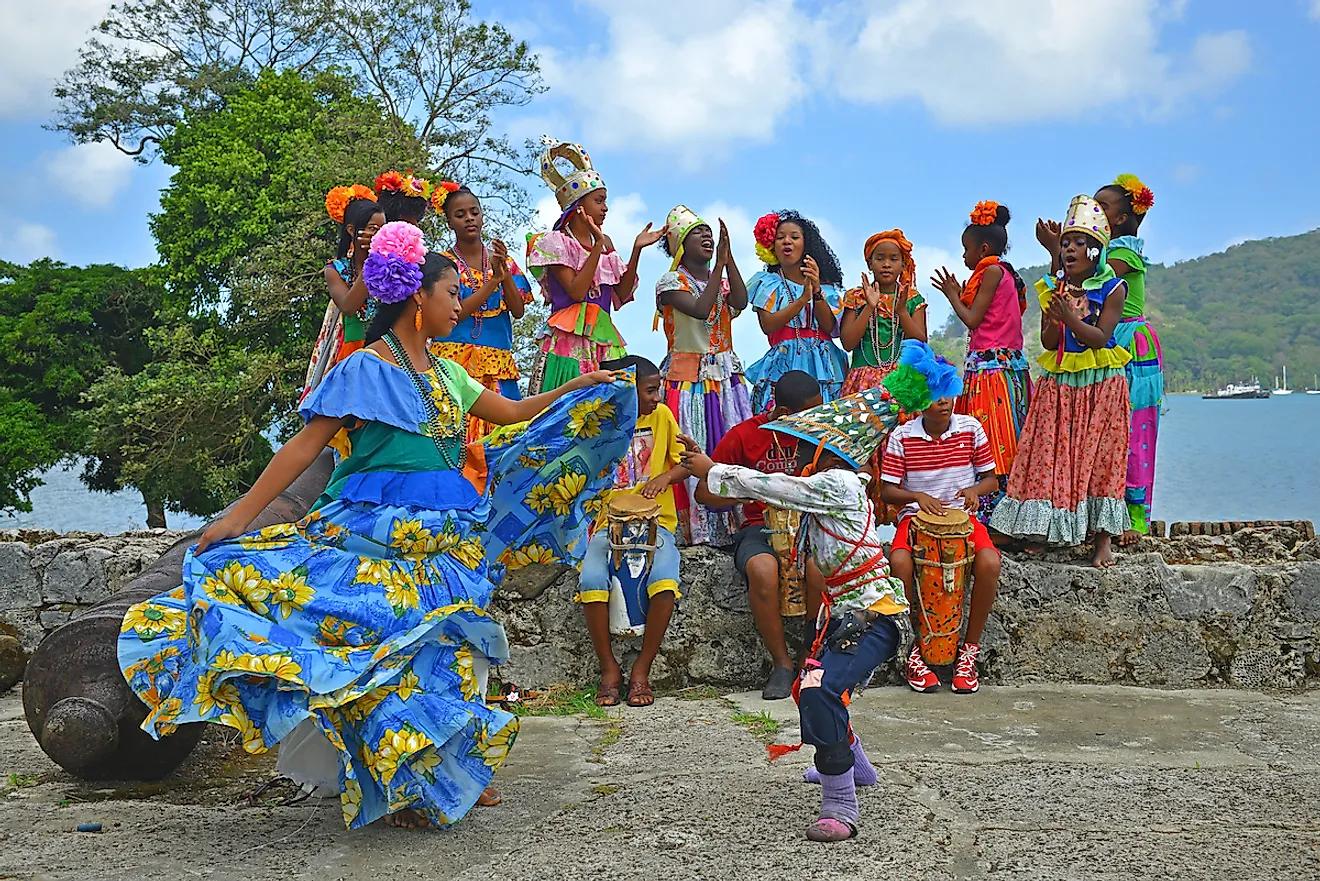
The Caribbean is a vibrant melting pot of cultures, and its festivals serve as a significant influence in the realm of international entertainment. These celebrations, characterized by their rich history and cultural significance, showcase an array of artistic expressions that captivate global audiences. Festivals such as Carnival, Reggae Sumfest, and Crop Over not only highlight the region’s music, dance, and visual arts but also set trends that resonate internationally. The infectious rhythms of Calypso, Reggae, and Soca have permeated the global music landscape, encouraging artists worldwide to blend these genres into their own works.
By fostering a spirit of creativity and collaboration, Caribbean festivals pave the way for innovative entertainment experiences. As the world becomes more interconnected, the cultural exports from these festivals contribute significantly to the evolving landscape of global entertainment. Key aspects that exemplify this influence include:
- Cultural Fusion: The blending of Caribbean styles with other musical genres has given rise to new sounds and collaborations.
- Visual Arts and Fashion: The striking costumes and vibrant visuals often seen in Caribbean festivals inspire fashion trends and artistic projects worldwide.
- Tourism Boost: These events attract international visitors, enhancing cultural exchanges and promoting local artists on a global scale.
Recommendations for Enhancing Caribbean Cultural Representation in Media
To foster a richer representation of Caribbean culture in media, stakeholders in the entertainment industry should prioritize authentic storytelling that reflects the diversity and complexity of Caribbean identities. This includes investing in stories that highlight the region’s unique histories, languages, and traditions. Media producers can collaborate with local artists, writers, and filmmakers to ensure that narratives are not only genuine but also resonate with the Caribbean audience and beyond. By giving creators from the Caribbean a platform, the industry can break the stereotype of monolithic narratives and celebrate the intricate tapestry of Caribbean life.
Additionally, there should be a concerted effort to incorporate Caribbean cultural elements across various genres and platforms. Media outlets can introduce segments or content series that delve into Caribbean music, dance, cuisine, and festivals, showcasing the vibrancy of the culture. Furthermore, the creation of partnerships with educational institutions and cultural organizations can facilitate workshops and seminars aimed at enhancing media literacy and cultural appreciation. Establishing a content diversity fund designed to support Caribbean projects can also help harness the talent of emerging creatives, paving the way for a more balanced representation in global entertainment.
In Retrospect
the rich tapestry of Caribbean culture continues to resonate powerfully within the global entertainment landscape. From the pulsating rhythms of calypso and reggae to the vibrant visual arts and unique culinary traditions, the Caribbean has established itself as a prolific source of inspiration for artists and entertainers worldwide. As we witness the increasing integration of Caribbean themes and styles in film, music, and literature, it is clear that this vibrant culture is not only shaping contemporary narratives but also fostering greater appreciation for diversity in entertainment. Moving forward, the influence of Caribbean culture is poised to expand even further, paving the way for new collaborations and innovations in the global arts scene. As we celebrate this dynamic cultural heritage, we underscore its vital role in enriching the world’s creative expressions.