


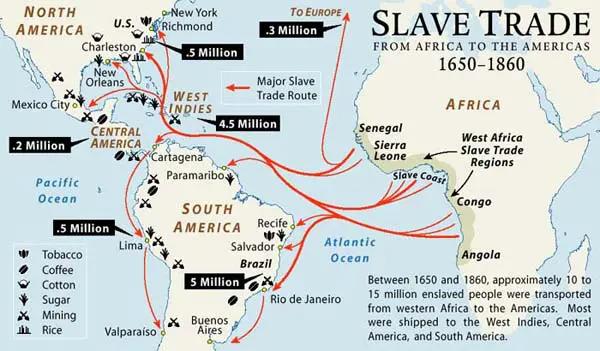
In recent years, the Caribbean diaspora has emerged as a pivotal force in the realm of global sports, transcending geographical boundaries to nurture and elevate athletic talent on a worldwide scale. With a rich history of producing world-class athletes across various disciplines, the Caribbean nations boast a unique blend of cultural heritage and sporting prowess that continues to inspire generations. This article delves into the significant impact of the Caribbean diaspora on the global sports landscape, exploring how connections forged through immigration, shared cultural experiences, and an unwavering passion for athletic achievement have transformed not only individual lives but entire communities. As we witness the dynamic interplay of talent, opportunity, and cultural exchange, it becomes increasingly evident that the Caribbean diaspora is not just a contributor but a driving force behind the evolution and expansion of sports talent across the globe.
Table of Contents
- The Role of Caribbean Culture in Shaping Athletic Excellence
- Challenges Faced by Caribbean Athletes in a Global Landscape
- Strategies for Enhancing Talent Identification and Development
- Building Sustainable Pathways for Caribbean Athletes in International Sports
- Future Outlook
The Role of Caribbean Culture in Shaping Athletic Excellence
The Caribbean region is renowned for its vibrant culture, which plays a pivotal role in the development of athletic prowess among its inhabitants. This cultural vibrancy fosters a sense of community and shared identity, aiding in the cultivation of athletic talent from a young age. Traditional sports like cricket and soccer are deeply ingrained in local customs, with families often rallying around their local clubs and schools. The harmonization of these traditions with contemporary sports further enhances the competitive spirit. Key elements contributing to athletic excellence in the Caribbean include:
- Family Support: Families actively encourage participation in sports, understanding its significance in personal and communal identity.
- Local Competitions: Frequent grassroots tournaments help nurture skills and foster a sense of rivalry.
- Cultural Festivals: Events celebrating local sports create an atmosphere of enthusiasm, drawing crowds and inspiring young athletes.
Another critical aspect is the influence of international exposure, primarily fueled by the Caribbean diaspora. Many talented athletes migrate to seek further opportunities, taking their cultural roots with them while adapting to new environments. These athletes often return home to inspire the next generation, creating a cycle of mentorship and aspiration. The blending of Caribbean values with global sports culture enriches the athletic output, showcasing unique talents on the world stage. Notable contributions include:
| Notable Athletes | Sport | Achievements |
|---|---|---|
| Usain Bolt | Track & Field | Multiple Olympic Gold Medals |
| Brian Lara | Cricket | World Record Holder for Most Runs in Test Cricket |
| Carnival | Various Traditional Games | Promotes Community Involvement |
Challenges Faced by Caribbean Athletes in a Global Landscape
Caribbean athletes encounter a myriad of obstacles on their journey to global recognition. Despite the rich talent pool and cultural heritage, they often face limited resources, insufficient training facilities, and financial constraints. The challenges are exacerbated by the lack of access to high-level competition, forcing many talented individuals to seek opportunities abroad, where they can showcase their skills on a larger stage. This geographical disadvantage creates a gap between potential and performance, making it difficult for these athletes to be noticed by scouts and sponsors in larger sports markets.
Furthermore, the impact of climate change and natural disasters affects the infrastructure needed for sports development, particularly in island nations. The following factors contribute to the strain on aspiring athletes:
- Unpredictable weather patterns disrupting training schedules
- Economic challenges limiting participation in international competitions
- The migration of skilled coaches and support staff to countries with better opportunities
These hurdles not only hinder individual growth but also dampen the overall potential of Caribbean sports on the world stage, highlighting the urgent need for systemic support and investment in talent development.
Strategies for Enhancing Talent Identification and Development
To enhance talent identification and development within the Caribbean diaspora, a multifaceted approach is essential. This entails the establishment of robust partnerships among local sports organizations, schools, and international sports programs. By fostering collaborative efforts, the region can leverage shared resources and expertise to identify promising athletes at an early stage. Key strategies include:
- Talent Scouting Programs: Implementing grassroots scouting initiatives that partner with schools and community organizations to discover talent.
- Training Camps: Providing specialized training camps that focus on skill development and exposure to international competition.
- Mentorship Opportunities: Creating mentorship programs that connect aspiring athletes with successful professionals in their sports.
An effective talent development ecosystem requires investment in education and continuous training for coaches and scouts to recognize and nurture potential. Furthermore, utilizing technology to track athlete performance through data analytics can significantly enhance the identification process. Here’s a snapshot of potential support avenues:
| Support Area | Description |
|---|---|
| Financial Assistance | Grants and scholarships aimed at underprivileged athletes for training and competition expenses. |
| Infrastructure Development | Investment in sports facilities and equipment to improve training conditions. |
| International Exposure | Opportunities for athletes to compete internationally, gaining valuable experience and visibility. |
Building Sustainable Pathways for Caribbean Athletes in International Sports
The Caribbean represents a nexus of talent and ambition, providing a wealth of gifted athletes who thrive in various sports at international levels. However, the journey from local talent to global stars requires structured support and guidance. Building sustainable pathways involves creating programs that focus on education, mentorship, and resources, ensuring that Caribbean athletes have the opportunities they deserve. Initiatives could include:
- Scholarship Programs: Financial aid for athletes pursuing higher education and professional training.
- Coaching Clinics: Workshops led by international coaches to enhance skills and strategies.
- Sports Science Integration: Access to health and fitness resources to optimize performance and reduce injuries.
The role of the Caribbean diaspora is pivotal in cultivating these pathways. Many diaspora members hold leadership positions in sports organizations globally, enabling them to advocate for policies that promote inclusion and access for Caribbean athletes. By leveraging their networks, they can facilitate partnerships that yield beneficial outcomes. The following table highlights key contributions from the diaspora:
| Contribution | Impact on Athletes |
|---|---|
| Networking Opportunities | Access to international tournaments and exposure to global scouts. |
| Mentorship Programs | Guidance from experienced professionals to develop skills and career paths. |
| Funding Initiatives | Financial support for training, competitions, and equipment. |
Future Outlook
the Caribbean diaspora stands as a formidable force in the global sports arena, serving as a vital catalyst for the growth and development of talent across various disciplines. Through a rich blend of cultural heritage, determination, and shared experiences, individuals from the Caribbean have made significant contributions, enriching international sports with their unique skills and perspectives.
The networks formed within the diaspora not only nurture existing talent but also inspire future generations to pursue their passions on the world stage. As we continue to witness the achievements of athletes from the Caribbean, it becomes increasingly evident that the potential for sporting excellence is amplified by the bonds and resources cultivated within these communities.
As we look to the future, supporting programs that empower these athletes and promote their development globally is essential. The Caribbean diaspora has already proven to be a powerful agent of change in the sports landscape, and its influence is poised to grow even further in the years to come.