


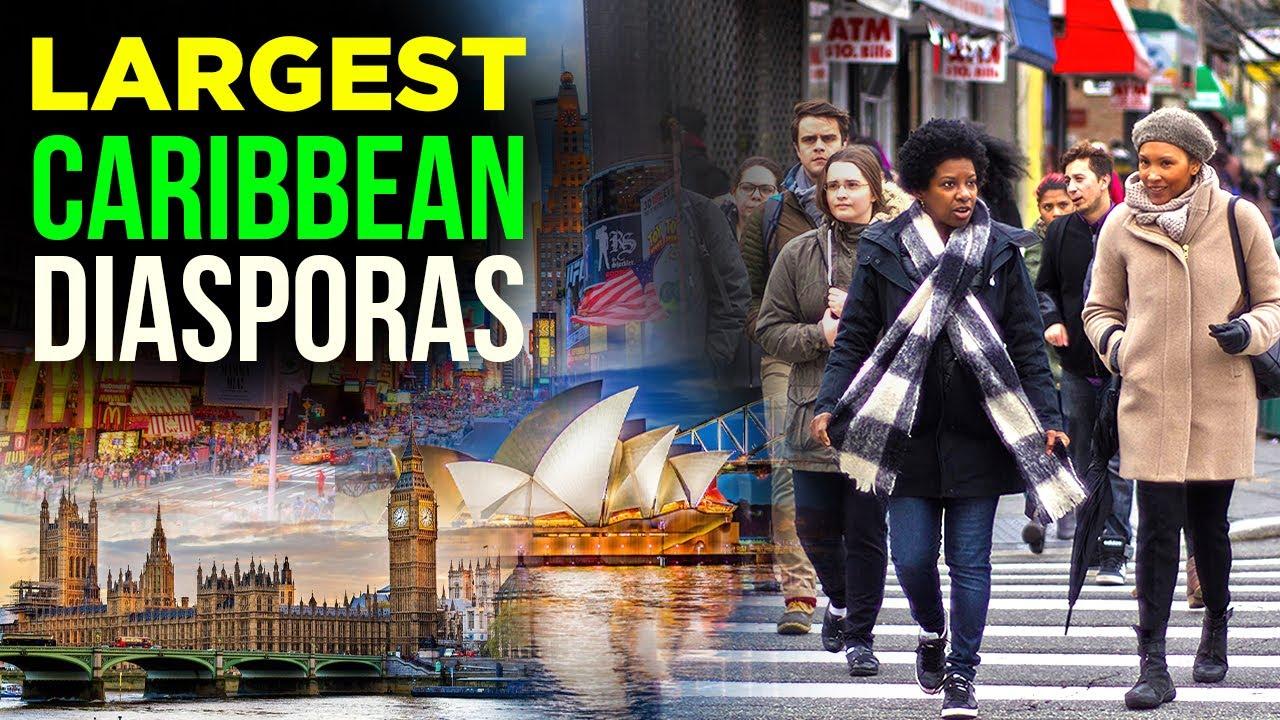
In an era marked by globalization and unprecedented migration, the Caribbean diaspora emerges as a vital conduit connecting islands steeped in rich cultural heritage to the diverse landscapes of their host nations. With millions of Caribbean-born individuals residing abroad, this community plays a pivotal role in fostering economic ties, cultural exchange, and social integration. As they navigate the complexities of identity and belonging, members of the Caribbean diaspora contribute not only to the economies of their host countries but also to the socio-cultural fabric of both their native and adopted homes. This article explores the multifaceted impact of the Caribbean diaspora, examining the ways in which it serves as a bridge between distant shores, enriching global communities while maintaining deep-rooted connections to their Caribbean homelands.
Table of Contents
- Caribbean Diaspora as Economic Catalysts Driving Development in Home Countries
- Cultural Exchange: Strengthening Ties Between Caribbean Communities and Host Nations
- Addressing Challenges: Navigating Identity and Integration in the Diaspora
- Strategic Recommendations for Policy Makers to Enhance Diaspora Contributions
- Future Outlook
Caribbean Diaspora as Economic Catalysts Driving Development in Home Countries
The Caribbean diaspora has emerged as a significant economic force, deeply influencing development in their home countries through various channels. These expatriates, often driven by a quest for better opportunities, bring back crucial resources that can help bridge societal gaps and stimulate growth. Some key mechanisms through which the diaspora impacts their homelands include:
- Remittances: A substantial source of foreign currency, remittances support local economies, enhance family households’ purchasing power, and contribute to overall national income.
- Investment in local businesses: Many members of the diaspora invest directly in local enterprises, fostering job creation and entrepreneurship.
- Knowledge transfer: Individuals returning from abroad often share valuable skills and expertise, leading to increased innovation and workforce development.
Additionally, the diaspora plays a crucial role in establishing transnational networks that facilitate trade and investment flows. By forming alliances with local and international organizations, they create platforms that connect home countries to global markets. This can be illustrated by the following table highlighting the contributions of the Caribbean diaspora:
| Contribution Type | Impact on Home Country |
|---|---|
| Remittances | Enhance household income and consumption |
| Business Investment | Boost economic growth and job creation |
| Education and Training | Promote skill development and innovation |
| Cultural Exchange | Strengthen identity and global visibility |
As these individuals navigate their lives in host countries, they remain intrinsically connected to their roots, constantly seeking ways to uplift their home nations while also benefiting from the global economic landscape. This relationship is pivotal not only for the prosperity of Caribbean nations but also for the resilience and adaptability of the diaspora itself.
Cultural Exchange: Strengthening Ties Between Caribbean Communities and Host Nations
The Caribbean diaspora plays a pivotal role in fostering cultural exchange by bridging the gap between their native lands and the countries they now call home. Through various avenues such as art, music, food, and education, Caribbean communities share their vibrant heritage and traditions, enriching the cultural landscape of host nations. Notably, this exchange often manifests through events like Caribbean festivals, culinary showcases, and art exhibitions, which not only celebrate Caribbean culture but also invite diverse audiences to participate and learn. This cultural diplomacy builds mutual respect and understanding, allowing for a more cohesive multicultural society.
The impact of this cultural interchange can also be observed in the following ways:
- Economic Growth: Diaspora-led businesses facilitate trade and investment opportunities while spotlighting Caribbean products and services.
- Educational Initiatives: Programs established by Caribbean expatriates often promote scholarships and learning opportunities for youth from both the homeland and the host country.
- Civic Engagement: Caribbean communities encourage political participation and advocacy, bringing attention to social justice issues that affect both their homelands and host nations.
| Cultural Aspect | Example | Impact |
|---|---|---|
| Food | Caribbean Restaurant Week | Awareness of Caribbean cuisine and flavors |
| Music | Reggae and Salsa events | Increase in multicultural appreciation |
| Art | Exhibitions featuring Caribbean artists | Enhanced visibility of Caribbean talents |
Addressing Challenges: Navigating Identity and Integration in the Diaspora
As members of the Caribbean diaspora establish their lives in foreign lands, they often confront a myriad of challenges that stem from the complex interplay of identity and integration. The struggle to maintain cultural heritage while adapting to new societal norms can create a dual existence, leading to feelings of alienation and cultural dislocation. In this context, it becomes paramount for diaspora communities to forge a sense of belonging through local networks and cultural events that reaffirm their identity. Key strategies in this endeavor include:
- Community Engagement: Joining or forming organizations that celebrate Caribbean culture fosters connections and promotes a sense of unity.
- Language Preservation: Providing language classes ensures that younger generations remain connected to their roots.
- Cultural Festivals: Participating in local festivals allows for the sharing of Caribbean traditions with wider audiences, enhancing intercultural dialog.
Simultaneously, the process of integration is imperative for the diaspora to thrive in their host countries. This journey is often marked by a desire to balance the retention of cultural identity while embracing the values and practices of the new society. The incorporation of social services, educational resources, and advocacy tools can significantly support this transition. A collaborative framework can be illustrated as follows:
| Support Mechanism | Description |
|---|---|
| Mentorship Programs | Helping newcomers navigate educational and employment systems. |
| Cultural Workshops | Teaching local customs while fostering appreciation for Caribbean heritage. |
| Legal Aid Services | Assisting with immigration and residency processes to ensure compliance and security. |
Strategic Recommendations for Policy Makers to Enhance Diaspora Contributions
To empower the Caribbean diaspora and maximize their contributions, policymakers must prioritize fostering robust channels of engagement. Incentives for remittances should be established, providing low-cost transfer options to ensure that funds sent back home are significant and impactful. Additionally, creating virtual platforms for collaboration can strengthen ties between the diaspora and local communities, facilitating skill exchange and investment opportunities. Such initiatives can include:
- Establishing forums for diaspora networking and collaboration.
- Developing online mentorship programs linking experienced diaspora members with local startups.
- Promoting “diaspora days” that encourage engagement and showcase local talent and businesses.
Furthermore, structured policies encouraging dual citizenship and investment opportunities will entice Caribbean nationals abroad to reconnect with their roots while boosting local economies. A strategic approach could involve setting up incentive programs that reward those who invest in their homeland’s development. For example, local governments might consider granting tax breaks for investments in specific sectors, such as education or healthcare, which are vital for sustainable development. A suggested framework could look like this:
| Investment Area | Incentive Type | Potential Impact |
|---|---|---|
| Education | Tax Deferment | Boosts youth employment and skill acquisition |
| Healthcare | Grant Funding | Enhances local health infrastructure |
| Technology | Investment Credits | Drives innovation and job creation |
Future Outlook
the Caribbean diaspora stands as a testament to the resilience and adaptability of individuals who maintain deep-rooted connections with their homelands while contributing significantly to their host countries. By fostering cultural exchange, economic growth, and social development, the diaspora not only enriches the fabric of their new communities but also plays a critical role in the ongoing narrative of Caribbean identity. As we continue to explore the dynamic relationships between diasporic communities and their native countries, it becomes increasingly clear that the ties forged through migration are vital for mutual prosperity and understanding. As both regions navigate the complexities of a globalized world, the Caribbean diaspora will undoubtedly remain an essential link, bridging cultures and economies in a shared pursuit of progress and unity.