


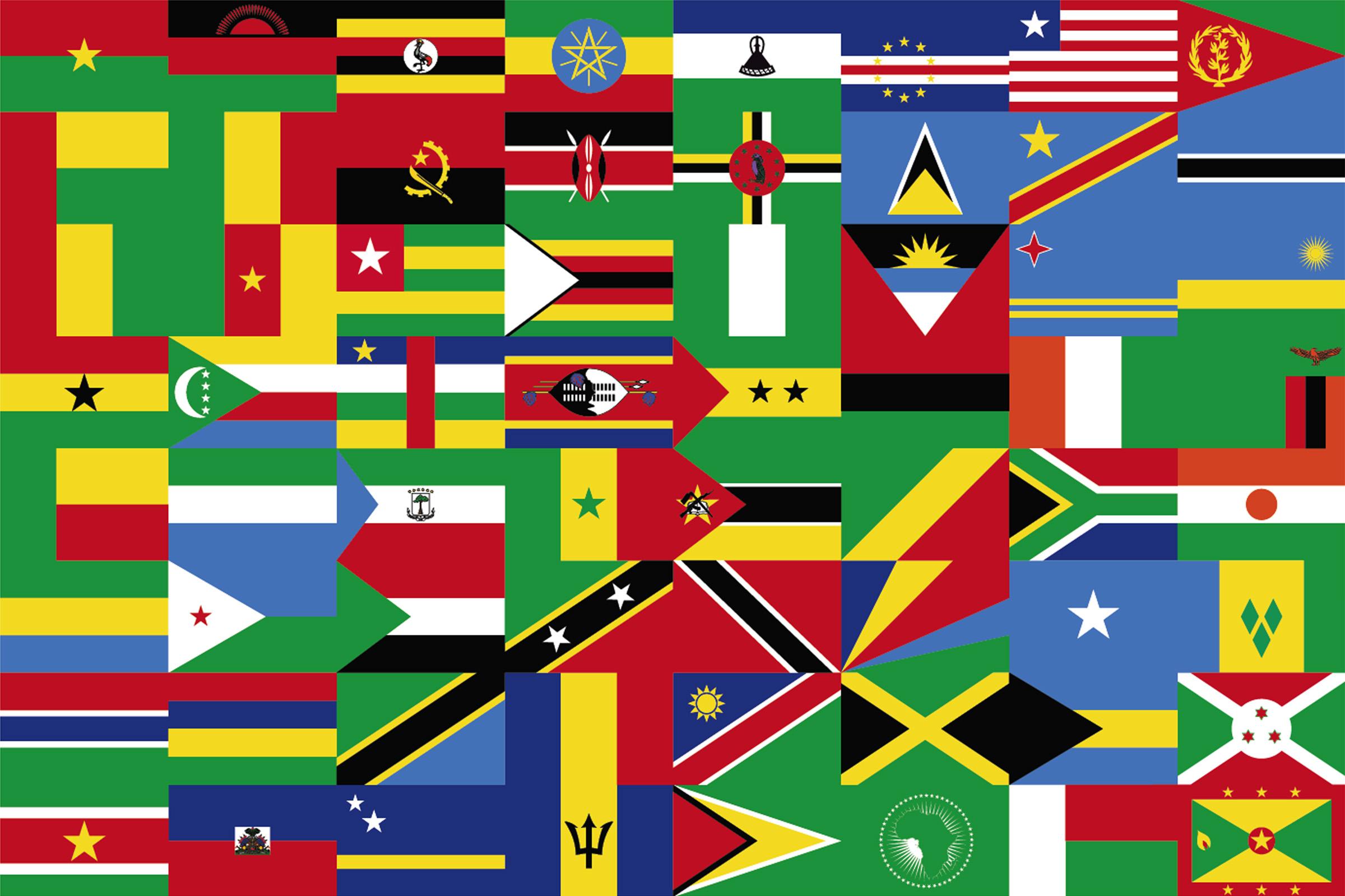
As the world becomes increasingly interconnected, cultural traditions often transcend geographical boundaries, particularly within the Caribbean diaspora. This vibrant community, consisting of individuals and families who have migrated from Caribbean nations, continues to uphold their rich heritage, especially during the holiday season. Each year, as December rolls in, Caribbean nationals abroad engage in a unique blend of time-honored customs and contemporary celebrations, fostering a sense of belonging and cultural pride in foreign lands. From lively festivals and culinary delights to music and dance that echo the rhythms of their homelands, the Caribbean diaspora transforms holiday observances into a global celebration of identity. In this article, we explore how these traditions are preserved and celebrated across the globe, highlighting the resilience and creativity of Caribbean communities as they navigate life away from their roots while keeping their spirits and customs alive.
Table of Contents
- Exploring Cultural Heritage Through Holiday Celebrations in the Caribbean Diaspora
- Enhancing Community Bonds: Organizing Festive Events Abroad
- Traditional Cuisine: A Taste of Home in Caribbean Holiday Feasts
- Maintaining Identity: The Role of Arts and Music in Diaspora Celebrations
- Insights and Conclusions
Exploring Cultural Heritage Through Holiday Celebrations in the Caribbean Diaspora
As Caribbean communities flourish across the globe, holiday celebrations have become vibrant expressions of cultural identity and heritage. These events not only serve as a means of honoring ancestral traditions but also as a reminder of the diverse practices that bind these communities together. Among the most popular holidays celebrated by the Caribbean diaspora are:
- Carnival: A festivity characterized by colorful parades, lively music, and traditional dances, often featuring elaborate costumes that reflect the rich history of Caribbean islands.
- Junkanoo: Celebrated in The Bahamas, this energetic street parade showcases handmade costumes, energetic drumming, and vibrant performances, embodying the spirit of freedom and resilience.
- Diwali: While predominantly an Indian festival, Caribbean countries with significant Indo-Caribbean populations commemorate this festival of lights with cultural performances, special meals, and the lighting of diyas.
These gatherings often incorporate traditional cuisine, showcasing dishes that have roots in the islands. Event participants savor delicacies such as:
| Dish | Origin |
|---|---|
| Jerk Chicken | Jamaica |
| Sorrel Drink | Various Islands |
| Roti | Trinidad and Tobago |
By blending music, dance, and culinary arts, these celebrations foster a sense of belonging and community among the diaspora. They offer a platform for sharing stories and preserving the cultural narratives that resonate within these vibrant populations, ensuring that the spirit of the Caribbean continues to thrive well beyond its shores.
Enhancing Community Bonds: Organizing Festive Events Abroad
In the heart of every Caribbean community abroad lies a tapestry of rich traditions waiting to be celebrated. During the holiday season, these traditions serve as a beacon for members of the diaspora to come together, rekindling old friendships and forging new relationships. Organizing festive events not only enriches the cultural landscape but also strengthens the bonds among families and friends separated by distance. The joy of sharing traditional foods, music, and dance forms a collective experience that transcends geography, fostering a sense of belonging and cultural pride.
Local organizations and community leaders play a pivotal role in coordinating these events. Through efforts such as:
- Themed potluck dinners to share favorite family recipes
- Holiday parades showcasing Caribbean music and dance
- Workshops on crafting traditional decorations or cooking local dishes
- Storytelling nights to preserve and share folklore and history
Each event not only celebrates heritage but also provides opportunities for networking, mutual support, and the exchange of stories that resonate across generations. As community members gather, they create a mosaic of experiences that highlights the diversity and richness of Caribbean culture, making every festive occasion a memorable chapter in their collective narrative.
Traditional Cuisine: A Taste of Home in Caribbean Holiday Feasts
For many in the Caribbean diaspora, holiday celebrations are incomplete without the rich flavors and aromas of traditional cuisine that evoke fond memories of home. During festive seasons, families gather to prepare iconic dishes that not only satisfy the palate but also nurture cultural identity and connection. Jerk chicken, curried goat, and ackee and saltfish stand as staples, each dish telling a story of heritage and community. The cooking process often becomes a joyful family affair, with generations participating in creating culinary masterpieces, passing down secrets and techniques that have lasted through the ages.
In addition to the savory entrees, the experience of Caribbean holiday feasts is elevated by delightful side dishes and desserts that make the table vibrant and inviting. Traditional accompaniments like rice and peas, plantains, and callaloo complement the main dishes perfectly, creating a feast for both the eyes and taste buds. Sweet treats such as Black Cake and Rum Cake are a must-have, symbolizing celebration and adding a touch of sweetness to the occasion. The following table summarizes some beloved dishes and their significance:
| Dish | Significance |
|---|---|
| Jerk Chicken | Symbol of Jamaican culinary heritage |
| Ackee and Saltfish | National dish of Jamaica, evoking nostalgia |
| Curried Goat | Common in family reunions and celebrations |
| Black Cake | Traditional dessert, representing festivity and abundance |
Maintaining Identity: The Role of Arts and Music in Diaspora Celebrations
In diaspora communities, particularly among Caribbean populations, the arts and music serve as vibrant expressions of cultural identity. During holiday celebrations, these forms of expression become even more significant, allowing individuals to reconnect with their roots while in foreign lands. The rhythmic beats of steel pan drums, the lively movements of traditional dances, and the colorful art inspired by local landscapes create a profound sense of belonging. These activities not only honor the heritage of the Caribbean islands but also foster unity among community members. The collective participation in these artistic expressions reinforces bonds and encourages the transmission of cultural knowledge to younger generations.
Additionally, numerous festivals and events dedicated to celebrating Caribbean arts provide platforms for showcasing indigenous crafts, music, and culinary traditions. Participants experience a multi-sensory immersion in their heritage, which is vital for maintaining cultural identity. Some key forms of expression during these celebrations include:
- Music Festivals: Featuring genres like reggae, calypso, and soca that evoke nostalgia and pride.
- Art Exhibitions: Showcasing visual arts that reflect Caribbean life, history, and landscapes.
- Community Workshops: Encouraging participation in traditional crafts, fostering skill preservation.
The richness of these traditions not only allows for personal reflection but also enhances the cultural tapestry of the host country, demonstrating the resilience and adaptability of Caribbean identities abroad.
Insights and Conclusions
As we conclude our exploration of the Caribbean Diaspora’s vibrant celebration of traditions during holidays abroad, it is clear that these cultural practices serve as vital links to the past, fostering a sense of community and identity among expatriates. Regardless of physical distance from their homelands, members of the Caribbean diaspora continue to honor their rich heritage through food, music, and time-honored rituals. Such celebrations not only enrich the multicultural fabric of their new environments but also promote understanding and appreciation of Caribbean culture globally. As these traditions are passed down through generations, they remind us of the resilience and adaptability of the Caribbean spirit, ensuring that the essence of these festive occasions will thrive both at home and abroad for years to come.