


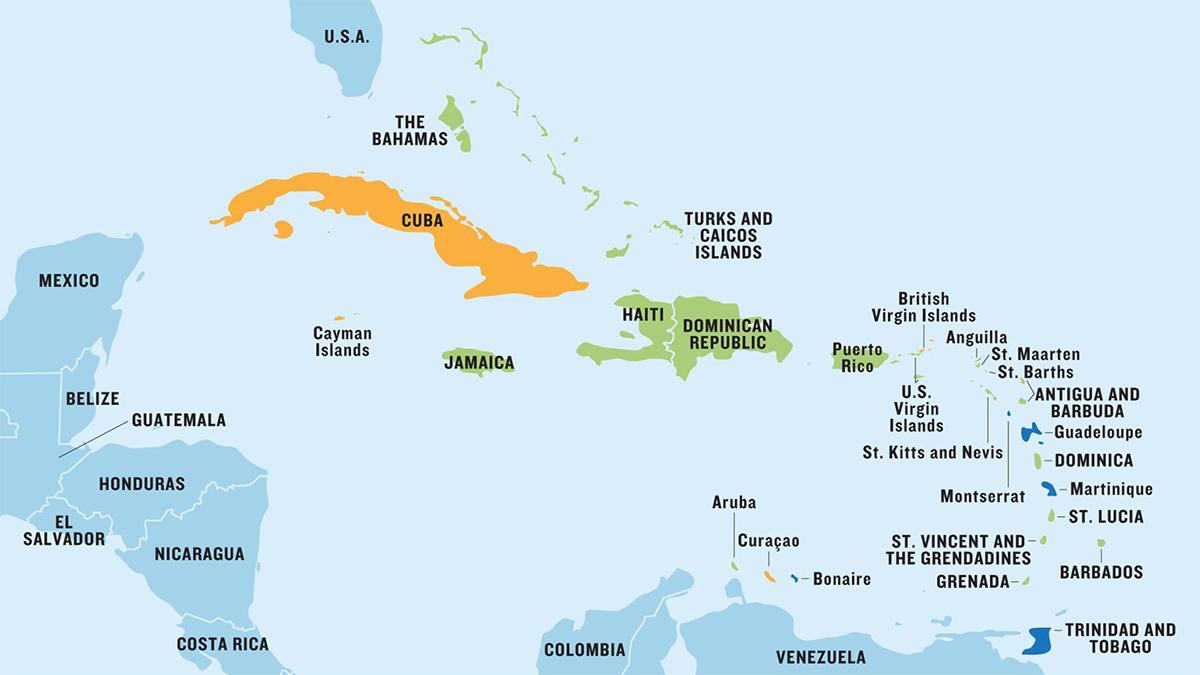
In an era marked by unprecedented global health challenges, the commitment and expertise of Caribbean diaspora healthcare workers have emerged as a vital lifeline for communities around the world. From the ongoing battles against infectious diseases to the management of chronic conditions exacerbated by socioeconomic factors, these dedicated professionals are not only enhancing healthcare systems in their host countries but also contributing critically to their countries of origin. This article explores the far-reaching impact of Caribbean healthcare workers abroad, highlighting their roles, experiences, and the challenges they face as they navigate the complexities of healthcare delivery in a rapidly changing world. As countries grapple with shortages and crises, the resilience and adaptability of this diaspora are proving essential in the fight for health equity and improved outcomes on a global scale.
Table of Contents
- Caribbean Diaspora Healthcare Workers: A Vital Resource in Global Health Emergencies
- Examining the Challenges Faced by Caribbean Nurses and Physicians Abroad
- Innovative Strategies for Enhancing Support and Retention of Healthcare Workers in the Diaspora
- Collaborative Approaches to Strengthen Healthcare Delivery in Vulnerable Communities
- Closing Remarks
Caribbean Diaspora Healthcare Workers: A Vital Resource in Global Health Emergencies
The Caribbean Diaspora remains an often-overlooked yet invaluable asset in worldwide health crises. As global health emergencies burgeon, practitioners hailing from this region continually step up, lending their skills, knowledge, and compassion to mitigate the impacts of these challenges. Their cultural competency and adaptability, honed through diverse experiences, enable them to work effectively in various health environments across the globe. These healthcare workers contribute not only their technical expertise but also insights that enhance patient engagement and foster trust, ultimately bridging the gap between healthcare systems and the communities they serve.
During recent global health crises, such as the COVID-19 pandemic, Caribbean healthcare professionals have demonstrated remarkable resilience. Many have chronicled their experiences through various platforms, shedding light on their profound influence on global responses to health emergencies. Some key attributes that define their role include:
- Expertise in Infectious Diseases: Many Caribbean nations have a rich history of managing epidemics, equipping healthcare professionals with essential skills.
- Community Engagement: They play a pivotal role in health education and outreach, ensuring that vital information reaches vulnerable populations.
- Multilingual Abilities: Language proficiency enables clear communication with diverse patient groups, enhancing care delivery.
Examining the Challenges Faced by Caribbean Nurses and Physicians Abroad
The journey of Caribbean healthcare professionals working abroad often comes with a unique set of obstacles that influence their ability to deliver quality care. They encounter regulatory and licensing hurdles, which can be particularly daunting for those looking to practice in countries with stringent medical standards. Many times, they have to navigate complex bureaucratic processes to obtain the necessary permits, often requiring additional examinations or certifications. Furthermore, there is the constant challenge of adapting to different healthcare systems, which can vary widely from one country to another, presenting difficulties in communication and integration within local medical teams.
Additionally, Caribbean nurses and physicians may face issues such as cultural barriers and discrimination, which can lead to feelings of isolation. The lack of a supportive community in their new environments can exacerbate the challenges they face, affecting their mental well-being and professional performance. Below is a table highlighting some of the primary challenges faced by these healthcare workers:
| Challenges | Impact |
|---|---|
| Regulatory Hurdles | Delays in employment and practice |
| Cultural Barriers | Difficulties in patient interactions |
| Discrimination | Emotional distress and professional setbacks |
| Workplace Integration | Challenges in teamwork and collaboration |
Innovative Strategies for Enhancing Support and Retention of Healthcare Workers in the Diaspora
In response to the global healthcare crisis, it is imperative to implement innovative strategies that not only attract but also retain Caribbean healthcare workers in the diaspora. This can be achieved through the establishment of robust professional networks that facilitate collaboration and knowledge exchange amongst healthcare professionals abroad. Such networks can offer mentorship programs, allowing experienced practitioners to guide newcomers, enhancing their integration process while elevating service quality. Moreover, offering continuous education and training opportunities tailored to the unique challenges faced by healthcare workers in various regions will help bolster their skills and confidence.
Additionally, creating a supportive environment can significantly improve job satisfaction among expatriate healthcare workers. Facilitating access to mental health resources and promoting a work-life balance are essential components of this approach. Organizations should consider implementing initiatives such as:
- Flexible work schedules – Allowing healthcare workers to adjust their hours can support personal commitments and reduce burnout.
- Peer support groups - Establishing forums for healthcare workers to share experiences can foster a sense of belonging and community.
- Recognition programs – Acknowledging the hard work and dedication of these professionals can enhance morale and motivate retention.
Currently, a survey conducted among healthcare professionals in the Caribbean diaspora highlights the top reasons for their commitment to their roles:
| Reason | Percentage (%) |
|---|---|
| Career Growth Opportunities | 45 |
| Supportive Work Environment | 30 |
| Competitive Compensation | 25 |
Addressing these factors through strategic initiatives will not only help maintain a strong workforce but will also leverage the immense potential of Caribbean diaspora healthcare workers to meet global challenges effectively.
Collaborative Approaches to Strengthen Healthcare Delivery in Vulnerable Communities
Recent global health crises have underscored the importance of collaborative strategies in enhancing healthcare delivery, particularly in underserved communities. Caribbean diaspora healthcare workers have emerged as pivotal actors in this landscape, leveraging their unique perspectives and skills to forge partnerships that drive impactful health solutions. By fostering alliances with local healthcare providers, non-profits, and governmental organizations, these professionals not only share their expertise but also adapt successful strategies from across borders to meet the specific needs of vulnerable populations. Key elements of their collaboration include:
- Community Engagement: Actively involving residents in health initiatives to ensure culturally relevant approaches.
- Resource Sharing: Pooling medical supplies, knowledge, and manpower to optimize healthcare delivery.
- Training Programs: Implementing educational outreach to equip local workforce with critical skills.
The success of these collaborative initiatives can be illustrated through recent statistics highlighting improvements in health outcomes in areas supported by Caribbean healthcare workers. As seen in the table below, key indicators such as vaccination rates and maternal health services reflect significant advancements when integration strategies are employed effectively:
| Health Indicator | Before Collaboration | After Collaboration |
|---|---|---|
| Vaccination Coverage | 60% | 85% |
| Access to Maternal Health Services | 40% | 75% |
| Prevention Programs Adoption | 30% | 70% |
Closing Remarks
the Caribbean diaspora healthcare workers are demonstrating remarkable resilience and adaptability in the face of global health crises. Their contributions extend beyond geographical boundaries, showcasing not only their professional expertise but also their deep commitment to community care and health equity. As the world grapples with ongoing challenges, the need for skilled healthcare professionals has never been more pressing. It is imperative that we recognise and support the invaluable role these individuals play in shaping health outcomes both in their home countries and abroad. Future collaborations, investments in training, and policy initiatives designed to support their work will be essential in harnessing their skills and fostering a more robust global healthcare system. The Caribbean diaspora is proving that, together, they can rise to any challenge, setting a powerful example for the international community.