


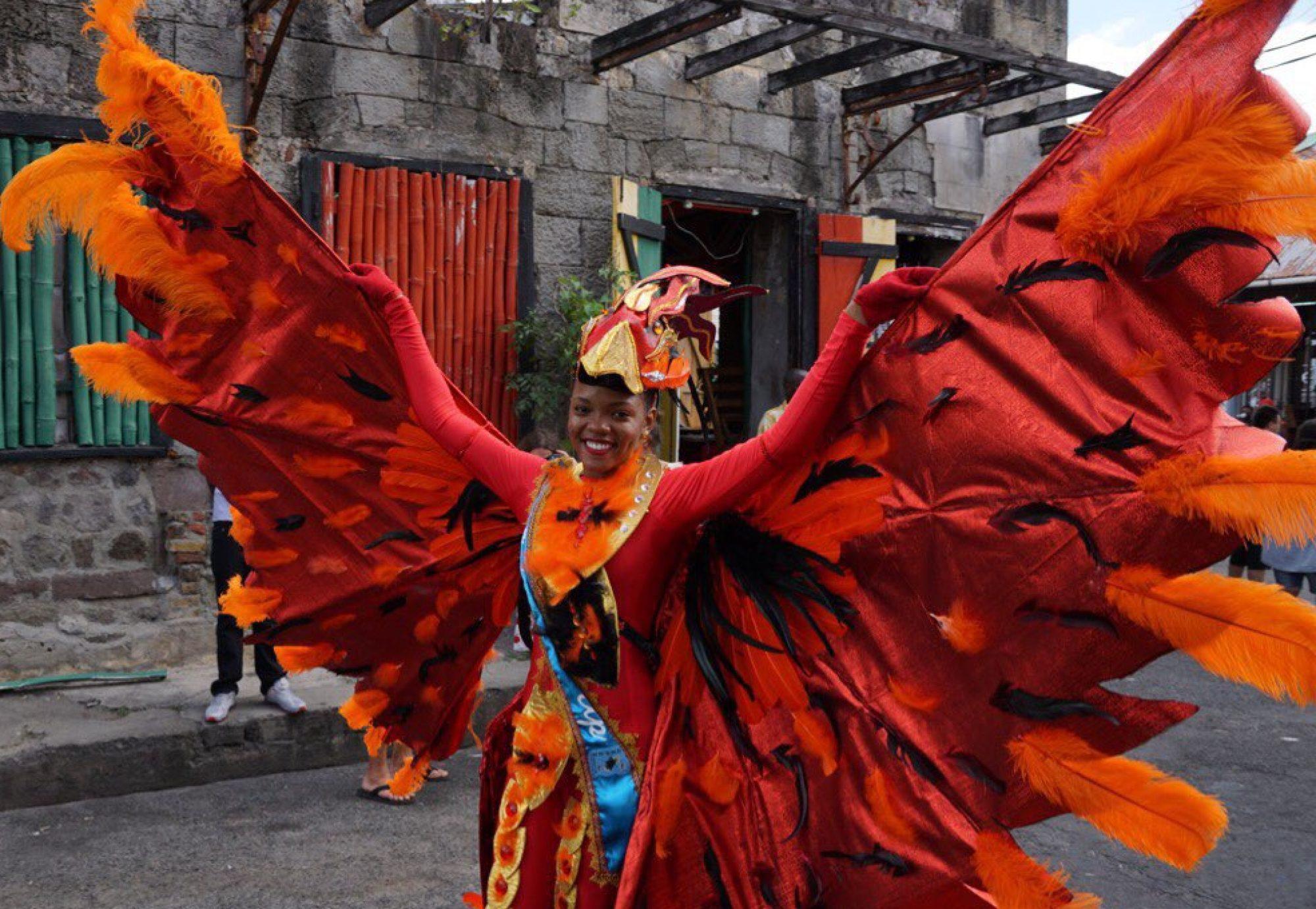
As the vibrant rhythms of calypso, reggae, and salsa permeate the global music landscape, the influence of the Caribbean diaspora has become increasingly undeniable. From the smokey nightclubs of New York City to the sunny beaches of Miami and beyond, Caribbean artists are not only preserving their rich cultural heritage but are also reshaping the fabric of contemporary music. This article explores how the Caribbean diaspora has emerged as a formidable force in the global music scene, examining the diverse contributions of its artists, the fusion of genres, and the cultural exchanges that continue to inspire new trends. As we delve into this dynamic interplay between tradition and innovation, it becomes clear that the sounds of the Caribbean resonate far beyond their islands, reverberating through the streets and stages of the world.
Table of Contents
- Caribbean Rhythms Shaping Contemporary Genres Across the Globe
- Influential Artists: Pioneers of the Caribbean Sound Revolution
- Cultural Exchange: How Caribbean Music Influences Mainstream Trends
- Fostering Future Talent: Support Systems for Caribbean Musicians Worldwide
- Closing Remarks
Caribbean Rhythms Shaping Contemporary Genres Across the Globe
Caribbean rhythms have not only influenced the vibrant sounds emanating from the islands but have also interwoven themselves into the fabric of global music. Through genres such as reggae, calypso, and dancehall, the Caribbean has contributed a distinctive flavor, blending traditional elements with contemporary forms like hip-hop, pop, and electronic music. The influence of these rhythms is particularly evident in tracks that utilize characteristic beats, syncopation, and instrumentation, shaping the auditory landscape across continents. Notable artists from the diaspora have utilized these sounds to craft chart-topping hits, demonstrating the seamless fusion of cultural identities.
Several key figures epitomize this transformative synergy, each bringing their unique heritage into the mainstream. Among them are:
- Bob Marley - Revolutionized reggae while addressing profound social issues.
- Rihanna - Infused pop with island vibes, making Caribbean rhythms mainstream.
- Sean Paul – Blended dancehall with pop, gaining international acclaim.
- Shakira – Merged Latin and Caribbean influences, broadening her musical appeal.
This rich tapestry of sounds from the Caribbean diaspora informs a global dialog within music, illustrating how cultural exchange can redefine popular music trends. The unique contributions of these artists not only enhance their respective genres but also enrich the musical landscape, ensuring that Caribbean rhythms continue to resonate worldwide.
Influential Artists: Pioneers of the Caribbean Sound Revolution
The Caribbean has long been a cradle of musical innovation, breeding artists whose influence transcends borders and genres. Calypso, Reggae, and Soca are just a few of the vibrant sounds that have shaped global music landscapes. Groundbreaking musicians like Bob Marley, whose reggae rhythms championed social change, and Machel Montano, a soca prodigy known for electrifying performances, have set a precedent for future artists. Their unique sounds and messages not only resonate within the Caribbean but also capture audiences worldwide, making them pivotal figures in music history.
Additionally, the rich tapestry of the Caribbean sound is woven with contributions from lesser-known yet equally impactful artists. Visionaries such as David Rudder and Nicki Minaj, who fuse traditional Caribbean sounds with contemporary styles, have played a critical role in this musical evolution. The impact of these artists can be illustrated through the following table, showcasing their distinctive contributions and the genres they’ve influenced:
| Artist | Genre | Contribution |
|---|---|---|
| Bob Marley | Reggae | Globalizing reggae and promoting messages of peace |
| Machel Montano | Soca | Innovating the soca genre and revolutionizing Carnival music |
| David Rudder | Calypso | Blending traditional calypso with modern themes |
| Nicki Minaj | Hip Hop/Pop | Incorporating Caribbean rhythms and styles into mainstream music |
Cultural Exchange: How Caribbean Music Influences Mainstream Trends
The rich textures of Caribbean music have woven themselves into the fabric of global music trends, creating a dynamic interplay that resonates with audiences worldwide. Genres like reggae, soca, and dancehall have transcended their regional roots, influencing a multitude of mainstream artists across various platforms. The infectious rhythms and vibrant melodies often serve as a source of inspiration for major pop hits. Celebrities from diverse backgrounds are not just sampling Caribbean sounds but also collaborating with Caribbean musicians to create new hybrid genres that reflect a seamless blend of cultures.
Furthermore, the influence of Caribbean music is evident in various music festivals and award shows that showcase this vibrant art form. Artists such as Drake and Rihanna, who have Caribbean heritage, have confidently integrated these influences into their work, bringing significant attention to the genre. This cultural exchange can be illustrated in the following table, depicting some key collaborations that have highlighted the Caribbean impact on mainstream music:
| Artist | Collaboration | Genre Influence |
|---|---|---|
| Drake | “One Dance” | Afrobeats, Dancehall |
| Rihanna | “Work” | Dancehall, Reggae |
| Major Lazer | “Lean On” | Moombahton, Dancehall |
This cross-pollination of musical traditions demonstrates how Caribbean soundscapes are not only thriving but also continuously evolving within the global music scene. The powerful synergy fostered by this cultural exchange enriches the music world, allowing artists to explore new creative horizons while paying homage to their Caribbean roots.
Fostering Future Talent: Support Systems for Caribbean Musicians Worldwide
As the global music industry continues to evolve, it is essential to establish robust support systems that nurture the burgeoning talent within the Caribbean region. Educational initiatives are paramount, providing young musicians with access to instruments, mentorship, and training programs that emphasize both traditional and contemporary styles. Community internet platforms also play a critical role, enabling artists to share their work, collaborate across borders, and showcase their unique cultural heritage to a wider audience. In this digital age, leveraging technology can break down barriers, connecting aspiring artists with seasoned professionals and industry experts who can guide them in their artistic journeys.
Additionally, networking opportunities are vital for fostering relationships within the global music scene. By creating venues—both physical and virtual—where Caribbean musicians can perform, share experiences, and engage with diverse audiences, we lay the groundwork for a vibrant musical ecosystem. Support can come from various sectors, including local governments, educational institutions, and international organizations that recognize the importance of preserving and promoting Caribbean music. Here are a few key initiatives that can pave the way for future success:
| Initiative | Description |
|---|---|
| Mentorship Programs | Pairing young musicians with established artists for guidance and support. |
| Digital Workshops | Online tutorials focusing on sound production, songwriting, and performance skills. |
| Collaboration Platforms | Facilitating cross-genre projects among Caribbean artists and creatives worldwide. |
| Funding and Grants | Financial support for projects, recordings, and tours that promote Caribbean music. |
Closing Remarks
the Caribbean diaspora has profoundly enriched the global music landscape, contributing unique sounds, rhythms, and cultural narratives that resonate worldwide. From reggae’s powerful messages to the infectious beats of salsa and the energetic pulse of dancehall, these musical forms have transcended geographic boundaries to influence artists and genres across the globe.
As we continue to witness the evolution of music, it is essential to recognize and celebrate the contributions of Caribbean artists and their lasting impact on contemporary sound. The vibrant fusion of cultural heritage and innovation exemplified by this community not only reflects the rich diversity of the Caribbean but also underscores the role of music as a universal language that fosters connection and understanding among people from all walks of life.
As we move forward, let us acknowledge the importance of supporting and promoting Caribbean talent, ensuring that these dynamic voices continue to shape future music trends and inspire generations to come. The legacy of the Caribbean diaspora will undoubtedly endure as a cornerstone of global music culture, inviting us all to join in a celebration of rhythm, resilience, and creativity.