


Introduction
The Caribbean Diaspora, a vibrant mosaic of cultures and traditions, continues to expand across the globe as individuals and families seek new opportunities and experiences. As Caribbean populations settle in diverse regions, they bring with them rich spiritual practices and beliefs that serve as vital markers of identity and heritage. This article explores the efforts being made by diaspora communities to preserve their spiritual traditions in foreign lands, highlighting the challenges they face and the innovative strategies they employ to maintain cultural continuity. From the rhythmic pulse of ancestral drumming and the communal rituals of Vodou to the intricate practices of Rastafarianism, the spiritual legacies of the Caribbean are not only being kept alive but are also evolving in response to new contexts. Through interviews with community leaders and practitioners, we examine how these traditions adapt and thrive in diaspora settings, ensuring that the essence of Caribbean spirituality remains intact for future generations.
Table of Contents
- Understanding the Role of Spiritual Traditions in Caribbean Identity
- Challenges Faced by the Caribbean Diaspora in Maintaining Cultural Practices
- Community Initiatives: Successful Models for Spiritual Preservation Abroad
- Recommendations for Strengthening Ties to Caribbean Spiritual Heritage
- The Way Forward
Understanding the Role of Spiritual Traditions in Caribbean Identity
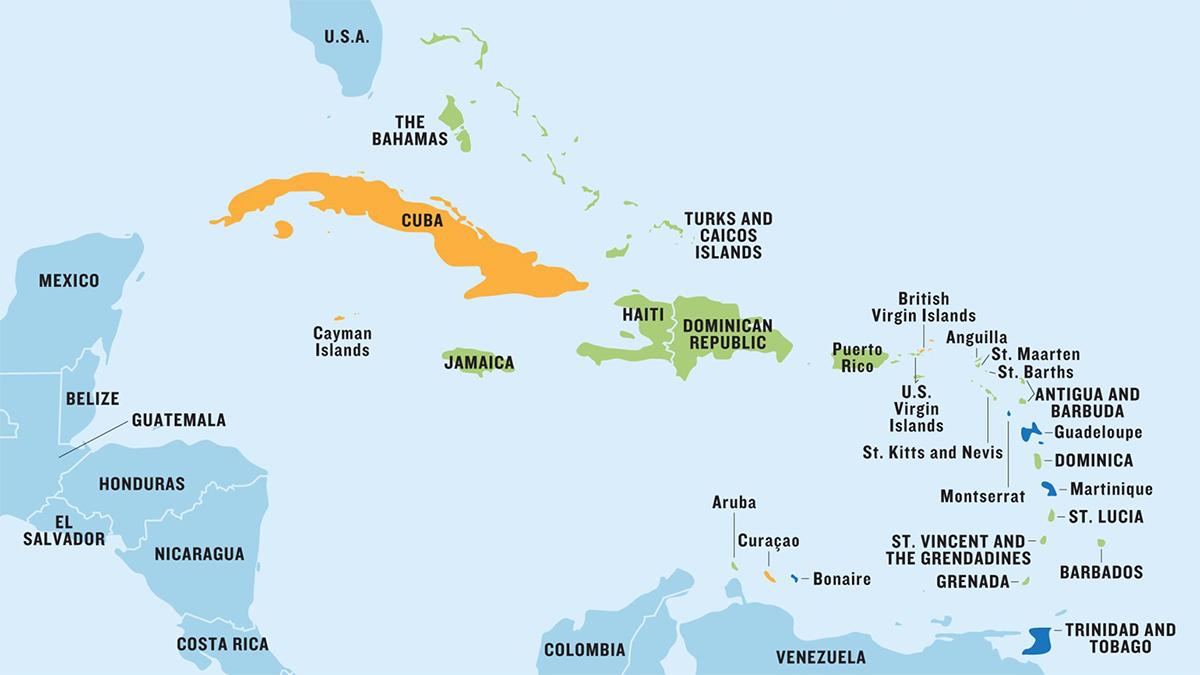
The rich tapestry of Caribbean identity is intricately woven with threads of spiritual traditions that date back centuries, encompassing a vibrant mix of African, Indigenous, and European influences. These traditions not only provide a sense of belonging but also serve as a foundation for cultural expression. From Rastafarianism in Jamaica to Santería and Vodou in Cuba and Haiti, each spiritual practice reflects the unique historical and social contexts of their regions. This diversity showcases how spirituality acts as a unifying force, fostering community and resilience among Caribbean people, whether on the islands or abroad.
As members of the Caribbean diaspora settle in different parts of the world, they carry with them their spiritual heritage, which helps maintain their cultural identity. Many diaspora communities have established places of worship, cultural centers, and events that celebrate their traditions, ensuring that younger generations remain connected to their roots. Efforts are also made to adapt these practices to new environments, creating a dynamic interplay between tradition and modernity. The continuation of spiritual rituals, celebrations, and community gatherings is essential in reinforcing identity and unity, demonstrating that these traditions remain a vital part of the Caribbean experience even when distanced from their geographical origins.
Challenges Faced by the Caribbean Diaspora in Maintaining Cultural Practices
The Caribbean diaspora faces numerous obstacles when it comes to preserving their rich cultural traditions in foreign lands. One major challenge is the difficulty in access to resources that facilitate cultural expression. Many diaspora communities find themselves in environments where traditional materials, foods, and community spaces are scarce. For instance, the lack of local shops that sell Caribbean spices or ingredients can hinder the preparation and celebration of traditional dishes. Additionally, the absence of communal gathering spaces limits opportunities for cultural events that foster unity and remembrance of shared heritage.
Moreover, integrating into new cultures often necessitates the compromise of cultural practices, especially for younger generations. The mainstream society’s values may overshadow the significance of Caribbean traditions, leading to a gradual dilution of cultural identity. This cultural assimilation can manifest in various ways, such as a decreased use of native languages and a shift away from customary celebrations. Furthermore, the disparity in the recognition and validation of spiritual practices can create a sense of dislocation among practitioners. While some seek to keep their traditions alive, they often grapple with the tensions of balancing their heritage with the pressures of adapting to their new environments.
Community Initiatives: Successful Models for Spiritual Preservation Abroad
Community initiatives have taken innovative approaches to adapt and preserve the spiritual traditions of the Caribbean diaspora while creating inclusive spaces for celebration and reflection. These programs often harness local talent and resources, enhancing the cultural fabric of their new environments. Key strategies include:
- Organizing Cultural Festivals: Numerous diasporic communities host annual festivals that showcase traditional rituals, music, and dance. These events not only celebrate heritage but also welcome broader audiences to engage and learn.
- Creating Spiritual Support Networks: Dedicated groups offer emotional and spiritual guidance, ensuring that traditions are honored and maintained within the diaspora members’ daily lives.
- Education Programs: Workshops and classes are offered to teach younger generations about their heritage, focusing on storytelling, religious practices, and the significance of cultural symbols.
Collaboration across various organizations has proven to be a vital aspect of these initiatives. Successful models focus on building partnerships between grassroots organizations, religious institutions, and cultural centers to amplify their impact. A compelling example is the initiative by the Caribbean Cultural Collective, which operates a community space that functions as a hub for worship, education, and festival preparations. Their activities include:
| Initiative | Description |
|---|---|
| Weekly Spiritual Gatherings | A space for prayer, reflection, and sharing stories rooted in Caribbean spirituality. |
| Cultural Exchange Programs | Encouraging intergenerational storytelling to pass down traditions. |
| Art and Performance Workshops | Arts related to spiritual practices are taught to foster appreciation and understanding. |
Recommendations for Strengthening Ties to Caribbean Spiritual Heritage
To deepen the connection between Caribbean community members in the diaspora and their ancestral spiritual traditions, individuals and organizations can adopt several initiatives. Engaging in cultural workshops that focus on the teachings and practices inherent in Caribbean spirituality can foster understanding and appreciation. These workshops could include:
- Traditional Healing Practices: Instructing participants on herbal remedies and their spiritual significance.
- Ritual Crafting: Hands-on activities to create altars or spiritual items used in Caribbean traditions.
- Storytelling Circles: Inviting elders to share oral histories and personal experiences related to spirituality.
Additionally, establishing community partnerships with local spiritual leaders and cultural organizations is essential for maintaining these practices. This collaboration can pave the way for regular community gatherings and events that celebrate Caribbean spirituality. Such events may include:
| Event Type | Focus | Frequency |
|---|---|---|
| Full Moon Rituals | Connecting with nature and ancestral spirits | Monthly |
| Spiritual Film Screenings | Exploration of spiritual themes in Caribbean cinema | Quarterly |
| Dance and Movement Workshops | Expressing cultural identity through rhythm and dance | Bi-weekly |
The Way Forward
As the Caribbean diaspora continues to expand across the globe, the preservation of spiritual traditions takes on renewed significance. This vibrant community not only faces the challenge of maintaining their cultural heritage in a foreign land but also embraces the opportunity to share these rich practices with diverse audiences. The efforts of individuals and organizations to keep these traditions alive—whether through community gatherings, educational programs, or online platforms—underscore the resilience and adaptability of Caribbean spiritual practices.
In navigating the complexities of identity and belonging, members of the diaspora are forging connections that transcend geographical boundaries. By fostering an understanding of their ancestral roots and continuing to engage with their spiritual heritage, they contribute to a broader dialogue about cultural preservation and diversity in an increasingly globalized world. In this way, the Caribbean diaspora not only honors their past but also enriches the cultural tapestry of the societies they inhabit.
As we witness this dynamic evolution, it becomes clear that the stewardship of spiritual traditions, even miles from where they originated, is a testament to the enduring spirit of Caribbean communities worldwide. The future of these practices depends on the commitment of individuals to maintain their cultural lineage and inspire the next generation, ensuring that the echoes of their ancestors resonate loudly in their new homes.