


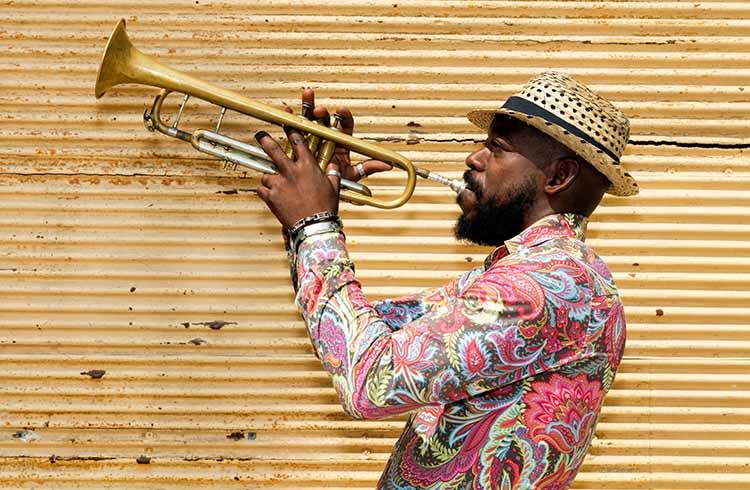
As the sun-drenched islands of the Caribbean resonate with the rhythmic pulse of its rich musical heritage, the voices of legendary singers have transcended borders to become global phenomena. From the soulful melodies of reggae to the infectious beats of calypso and the passionate strains of soca, these artists have not only shaped the cultural landscape of their homelands but have also made indelible marks on the international music scene. In this article, we delve into the remarkable contributions of Caribbean singers who have transformed their unique sounds into powerful tools for cultural exchange and social commentary. By exploring their influences, achievements, and the continuing legacy of their artistry, we highlight how these icons have played a pivotal role in bringing Caribbean music to the forefront of the global stage, inspiring generations and fostering a deeper appreciation for the region’s rich cultural tapestry.
Table of Contents
- Caribbean Legends Shaping Global Music Trends
- The Cultural Exchange: How Caribbean Singers Influence World Genres
- Preserving Heritage: The Role of Legendary Singers in Caribbean Identity
- Future Directions: Supporting Emerging Artists in the Caribbean Music Scene
- The Conclusion
Caribbean Legends Shaping Global Music Trends
The sound of the Caribbean is more than just a genre; it is a vibrant tapestry of cultural influence that has transcended borders and reshaped global music trends. The legendary figures emerging from this region have played pivotal roles in this evolution, introducing infectious rhythms and innovative styles that resonate with audiences far and wide. Artists like Bob Marley, Rihanna, and Shakira weave elements of reggae, soca, and calypso not only into their music but also into the fabric of popular culture. Their unique sounds have launched new genres and inspired countless musicians around the world, creating a ripple effect that is felt across the sonic landscape.
One cannot underestimate the power of collaboration in uplifting Caribbean music on the global stage. Notable partnerships among Caribbean icons and international stars have resulted in groundbreaking tracks that blend diverse influences. For instance, the enchanting fusion of Sean Paul and Beyoncé showcases how rhythmic beats can enhance pop anthems, while Shaggy‘s collaborations have brought reggae to mainstream audiences. A closer look at these influential artists reveals their capacity to shape future trends through boundary-defying sounds.
| Artist | Notable Contribution | Influence on Global Music |
|---|---|---|
| Bob Marley | Popularized reggae worldwide | Stimulated interest in Caribbean culture |
| Rihanna | Blended pop, R&B, and dancehall | Paved the way for Caribbean-infused pop |
| Shakira | Incorporated Latin and Caribbean sounds | Expanded the reach of salsa and reggaeton |
| Sean Paul | Revitalized dancehall genre | Influenced hip-hop and R&B artists |
The Cultural Exchange: How Caribbean Singers Influence World Genres
The Caribbean has long been a fertile ground for musical innovation, producing legendary singers whose influence resonates far beyond their home islands. Artists like Bob Marley, Celina Azcueta, and Rihanna have seamlessly woven their unique sounds into the fabric of global music, introducing elements of reggae, calypso, and soca into mainstream genres. Their contributions have not only transformed how the world perceives Caribbean music but have also inspired countless artists across various genres to embrace and integrate these vibrant styles into their own work.
This cultural exchange extends into multiple genres, showcasing how Caribbean rhythms and themes have transcended geographical boundaries. By collaborating with international stars and engaging in cross-genre experiments, these artists have demonstrated the power of music as a unifying force. Notably, the following genres have felt their influence:
- Reggae: Reaching global audiences through fusion with rock and hip-hop.
- Soca: Dominating dance floors worldwide, especially during carnival seasons.
- R&B: Infusing traditional Caribbean sounds into contemporary love ballads.
This unique blend of cultural elements has created a rich tapestry of sound that reflects the diversity of human experience, leaving an indelible mark on the global music scene.
Preserving Heritage: The Role of Legendary Singers in Caribbean Identity
Legendary singers from the Caribbean have long served as cultural bearers, encapsulating the essence of their islands in melodies that resonate far beyond their shores. Their music doesn’t merely entertain; it tells stories, shares histories, and embodies the struggles and triumphs of their communities. Through genres such as reggae, calypso, salsa, and soca, these artists convey messages of resilience, joy, and unity. This rich tapestry of sound plays a pivotal role in shaping Caribbean identity, allowing individuals to connect with their roots while also inviting global audiences to experience their heritage.
As ambassadors of their culture, these musicians have contributed significantly to the preservation of traditional art forms while also integrating modern influences to create innovative musical expressions. Noteworthy contributions include:
- Bob Marley, whose reggae rhythms and messages of social justice continue to inspire movements worldwide.
- Calypso Rose, a pioneer for women in music, who celebrates Caribbean folklore through vibrant songs.
- Tania Maria, blending Brazilian rhythms with jazz to showcase the diversity of the Caribbean soundscape.
Moreover, the global influence of these singers can be reflected in the international festivals, collaborations, and the growing popularity of Caribbean music genres, reaffirming the region’s vital role in shaping contemporary music culture.
Future Directions: Supporting Emerging Artists in the Caribbean Music Scene
The Caribbean music scene is a treasure trove of diverse talent waiting to be discovered. To nurture this vibrant landscape, it is essential to establish comprehensive support systems aimed at emerging artists. Efforts could include:
- Mentorship Programs: Pairing seasoned musicians with upcoming talents to foster skill development and industry knowledge.
- Funding Opportunities: Providing grants or sponsorships for recording, marketing, and touring to allow artists to reach broader audiences.
- Workshops and Masterclasses: Offering educational opportunities that cover everything from songwriting to production techniques.
- Networking Events: Facilitating connections with industry professionals, producers, and other artists to build collaborative relationships.
Moreover, partnerships with local and international organizations can enhance the visibility of these artists on the global stage. Initiatives such as:
| Initiative | Description |
|---|---|
| Music Festivals | Creating platforms where emerging artists can showcase their talents alongside renowned musicians. |
| Online Promotions | Leveraging social media to promote new releases and reach global audiences. |
| Collaborative Projects | Encouraging joint ventures between emerging and established artists to blend styles and broaden appeal. |
By combining grassroots efforts with strategic alliances, the Caribbean music scene can ensure that its next generation of artists not only preserves the region’s rich musical heritage but also blends it with contemporary influences to captivate audiences worldwide.
The Conclusion
the influence of Caribbean icons in the music industry cannot be overstated. These legendary singers have not only shaped the sound of their regions but have also left an indelible mark on the global musical landscape. From reggae to calypso, their diverse styles and poignant messages resonate with audiences worldwide, transcending cultural and geographical barriers. As the world continues to evolve, the legacy of these artists serves as a testament to the power of music in fostering unity and inspiring change. Their contributions remind us that the Caribbean is not just a region rich in natural beauty, but also a vibrant source of creativity and innovation in the arts. As we celebrate their achievements, we must also look ahead, recognizing the ongoing influence of these trailblazers and the emerging talents that follow in their footsteps. The story of Caribbean music is far from over, and its global impact will undoubtedly continue to inspire generations to come.