


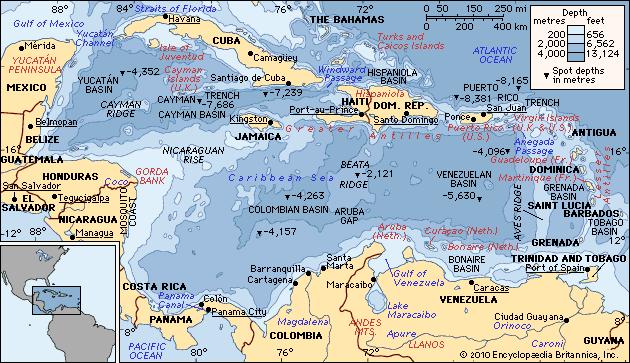
As the world grapples with the escalating challenges of climate change and environmental degradation, the Caribbean is emerging as a pivotal player in shaping global environmental policy. With its unique vulnerabilities—ranging from rising sea levels to biodiversity loss—the region’s voices are becoming increasingly vital in international discussions. This article explores how Caribbean nations, traditionally viewed as peripheral in global affairs, are now at the forefront of advocating for sustainable practices and policies that resonate far beyond their shores. As nations unite to address the pressing issues of our time, the Caribbean’s influence signals the dawn of a new era in environmental diplomacy, characterized by collaboration, innovation, and a commitment to safeguarding the planet for future generations. Through a careful examination of recent initiatives and partnerships, we highlight how the Caribbean is not only confronting its own environmental challenges but also setting a transformative precedent in the global arena.
Table of Contents
- Caribbean Islands Leading Climate Resilience Initiatives for Global Benefit
- Ecosystem Preservation Strategies: Lessons from the Caribbean Region
- Harnessing Renewable Energy: Caribbean Innovations Shaping Global Standards
- Collaborative Approaches to Policy Making: Bridging Local Actions with International Goals
- To Conclude
Caribbean Islands Leading Climate Resilience Initiatives for Global Benefit
The Caribbean islands are at the forefront of a transformative movement aimed at fostering climate resilience, both on local and global scales. These nations are implementing innovative strategies that harness their unique geographical and cultural strengths to combat climate change. Through initiatives such as sustainable tourism, agriculture practices, and renewable energy projects, Caribbean countries are developing frameworks that not only enhance their resilience but also serve as blueprints for other regions. Efforts are focused on protecting biodiversity, restoring ecosystems, and promoting community engagement in environmental stewardship. This proactive stance positions the region as a significant player in the dialogue upholding global environmental policy.
A collaborative spirit underpins many of these initiatives, with governments partnering with non-profits, local communities, and international organizations. Key strategies include:
- Climate Education and Awareness: Engaging communities in understanding climate risks and adaptive practices.
- Disaster Resilience Planning: Developing comprehensive frameworks to withstand climate impacts, such as hurricanes and flooding.
- Renewable Energy Transition: Investing in solar, wind, and wave energy projects to reduce carbon footprints.
In a bid to share knowledge and experiences, several island nations have formed alliances to drive sustainable development goals collaboratively. The impact of these initiatives extends beyond the Caribbean, influencing global climate negotiations and setting standards for resilience frameworks that address vulnerabilities in other regions.
Ecosystem Preservation Strategies: Lessons from the Caribbean Region
The Caribbean region serves as a vital case study in ecosystem preservation, showcasing a variety of strategies that can be adopted internationally. The unique ecological tapestry of the Caribbean, rich in biodiversity and endemic species, has propelled local governments and organizations to implement sustainable practices that not only protect their natural resources but also support economic resilience. Some effective strategies identified include:
- Community-based conservation: Engaging local populations to actively participate in the management of natural resources fosters a sense of ownership and accountability.
- Marine protected areas: Establishing zones where fishing and other activities are restricted contributes significantly to rebuilding fish populations and preserving coral reefs.
- Sustainable tourism initiatives: Promoting eco-friendly tourism that supports conservation efforts while providing economic benefits to local communities.
Moreover, regional cooperation has been instrumental in amplifying the voice of Caribbean nations on global environmental platforms. The establishment of collaborative networks, such as the Caribbean Biodiversity Fund, has enabled countries to pool resources and share best practices, demonstrating a unified approach to conservation. Furthermore, the integration of traditional ecological knowledge with modern scientific methods has yielded innovative solutions to combat climate change and biodiversity loss. A noteworthy initiative includes:
| Initiative | Key Outcome |
|---|---|
| Caribbean Community Climate Change Centre | Research and policy development to enhance climate resilience. |
| Regional Sea Turtle Conservation Program | Significant increase in nesting populations across the region. |
Harnessing Renewable Energy: Caribbean Innovations Shaping Global Standards
Across the Caribbean, innovative approaches to harnessing renewable energy are emerging as powerful catalysts for change in global environmental policy. The region, rich in natural resources such as sunlight, wind, and ocean currents, is pioneering solutions that not only meet local energy demands but also serve as a model for sustainable practices worldwide. Caribbean nations are increasingly investing in technologies like solar photovoltaic systems, wind farms, and biomass energy, showcasing their commitment to reducing carbon footprints and promoting energy independence. This shift is evident in collaborations among governments, private sectors, and community organizations, which are driving down costs and improving access to clean energy.
Moreover, the Caribbean’s unique geographic and climatic conditions foster a vibrant ecosystem for innovative research and development in renewable technologies. Initiatives such as solar energy microgrids and ocean thermal energy conversion are being tested, showcasing the region’s potential to capitalize on its environment. Notably, countries like Jamaica and Barbados are leading the charge with ambitious targets for renewable energy integration, aimed at achieving substantial reductions in greenhouse gas emissions by 2030. This collective effort establishes a benchmark for other regions, demonstrating the capacity of small island nations to influence global standards and advocate for sustainable environmental practices that resonate far beyond their shores.
| Country | Initiative | Impact |
|---|---|---|
| Jamaica | Renewable Energy Policy 2019 | Targets 50% renewable energy by 2030 |
| Barbados | Solar Water Heating Program | Reduces energy use by 20% |
| Dominica | Geothermal Energy Plant | Enhances energy resilience |
Collaborative Approaches to Policy Making: Bridging Local Actions with International Goals
In the Caribbean, fostering collaboration between local communities and international platforms is essential for addressing pressing environmental challenges. By integrating local knowledge with international goals, policymakers can create tailored solutions that resonate with the unique needs of the region. This participatory approach encourages stakeholder engagement through various avenues, including:
- Community Workshops: Facilitate dialogue among local leaders, citizens, and environmental experts.
- Public-Private Partnerships: Leverage resources and expertise from both sectors to enhance sustainability initiatives.
- Cross-Border Collaborations: Work with neighboring nations on shared environmental issues, such as water management and biodiversity conservation.
These collaborative efforts yield a more equitable and robust environmental policy framework, bridging grassroots actions with larger-scale global objectives. For instance, local initiatives aimed at reducing plastic waste can significantly contribute to international commitments such as the UN Sustainable Development Goals. To illustrate the impact of such synergies, the following table outlines three key local initiatives alongside their corresponding international objectives:
| Local Initiative | International Objective |
|---|---|
| Community Clean-Up Drives | Combatting Marine Litter (SDG 14) |
| Reforestation Projects | Addressing Climate Change (SDG 13) |
| Sustainable Fishing Practices | Preserving Ocean Ecosystems (SDG 14) |
To Conclude
the Caribbean’s unique environmental challenges and innovative solutions are positioning the region as a formidable player in global environmental policy. With its rich biodiversity, vulnerable ecosystems, and the undeniable impacts of climate change, the Caribbean is not only advocating for its own preservation but also inspiring international dialogue around sustainable practices and environmental justice. As regional leaders collaborate and share their experiences on the world stage, we are witnessing the dawn of a new era—one where the voices of small island nations are resonating with increasing clarity and influence in global forums. The commitment to a sustainable future is more critical than ever, and the Caribbean is stepping forward as a beacon of hope and a model for collaborative action. As these efforts evolve, it will be essential for policymakers, environmentalists, and stakeholders worldwide to remain engaged and supportive, ensuring that the invaluable lessons from the Caribbean contribute to a more sustainable and equitable planet for all.