


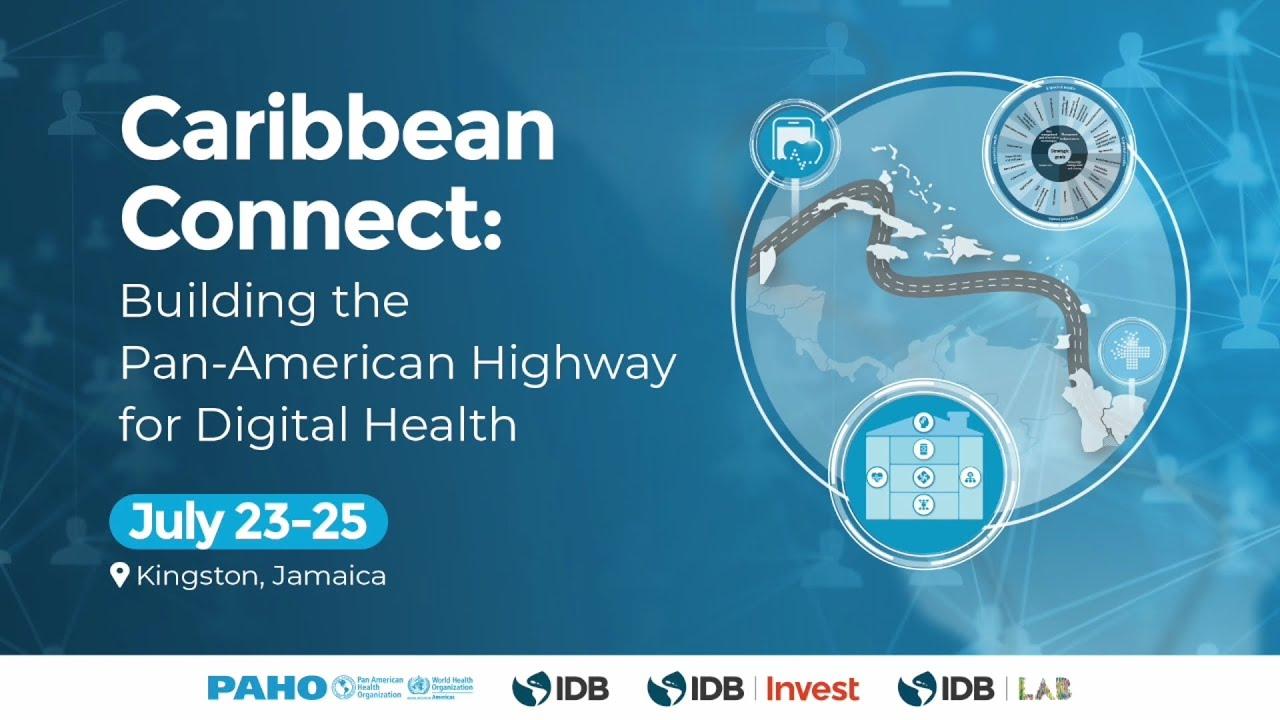
As the world continues to grapple with unprecedented public health challenges, the Caribbean region stands at a critical crossroads, uniquely positioned to contribute to and learn from these global efforts. With a rich history of resilience and innovation, Caribbean nations are not only navigating their own health crises but are also collaborating actively with international partners to forge sustainable solutions. This article delves into the pivotal role the Caribbean plays in addressing global health issues, highlighting cooperative initiatives, shared strategies, and the lessons learned from both successes and setbacks. Through a lens of partnership and shared responsibility, we explore how Caribbean insights can lead to a more robust response to health challenges that transcend borders, ultimately fostering a healthier future for all.
Table of Contents
- Caribbean Health Collaborations: Uniting Resources for Sustainable Solutions
- Strategies for Tackling Infectious Diseases in the Caribbean Region
- Enhancing Mental Health Support Systems Across Caribbean Nations
- Leveraging Technology for Improved Health Outcomes in the Caribbean
- Final Thoughts
Caribbean Health Collaborations: Uniting Resources for Sustainable Solutions
The Caribbean region is increasingly recognizing the importance of collaboration in addressing pressing health challenges, such as the rise of chronic diseases, mental health concerns, and infectious diseases. By uniting resources across nations, healthcare providers, governments, and NGOs can implement sustainable solutions that are culturally relevant and systematically effective. Partnerships between countries not only enhance knowledge sharing but also strengthen resource allocation. A collaborative approach enables stakeholders to leverage collective expertise and bring innovative programs to life, ensuring equitable access to healthcare services for all Caribbean citizens.
Prominent collaborations are emerging in the Caribbean, focusing on strategies such as community health education, preventive care programs, and research initiatives. These efforts often highlight the integration of traditional medicine with modern healthcare service frameworks, respecting cultural practices while improving health outcomes. Key players in these collaborations also utilize technology to enhance communication and data collection. The following table showcases some current collaborative initiatives, showcasing their focus areas and expected outcomes:
| Initiative | Focus Area | Expected Outcome |
|---|---|---|
| Caribbean Health Initiative | Chronic Disease Prevention | Reduction in diabetes and hypertension cases |
| Community Mental Health Program | Mental Health Awareness | Improved mental health support and access |
| Infectious Disease Surveillance Network | Health Surveillance | Timely response to health threats like Zika and Dengue |
Strategies for Tackling Infectious Diseases in the Caribbean Region
The Caribbean region faces unique challenges in combating infectious diseases, necessitating tailored strategies that leverage regional strengths and address specific vulnerabilities. Collaboration among Caribbean nations is paramount; sharing resources, expertise, and information can enable swift responses to outbreaks. Strengthening public health infrastructure and services—especially in rural and underserved areas—ensures that every community has access to essential healthcare. Emphasizing early detection and rapid response capabilities through widespread training and drills improves preparedness for potential epidemics. Furthermore, engaging local communities in health education about risks and preventive measures bolsters grassroots support for public health initiatives.
Another vital approach involves enhancing research and surveillance systems to identify prevalent infectious diseases and monitor emerging threats. Investing in technology and data collection enhances the accuracy of disease tracking and risk assessment, allowing for targeted interventions. Public-private partnerships can be crucial in financing innovative healthcare solutions and expanding access to vaccines and treatments. Additionally, fostering regional tourism health protocols can help mitigate the spread of diseases through travel, encouraging healthy exchanges between nations while protecting local populations. Below is a simple comparison of strategies:
| Strategy | Focus Area | Expected Outcome |
|---|---|---|
| Collaboration | Resource Sharing | Enhanced Response Capabilities |
| Health Education | Community Engagement | Increased Preventive Measures |
| Research & Surveillance | Disease Tracking | Informed Health Policies |
| Public-Private Partnerships | Funding & Innovation | Improved Access to Healthcare |
Enhancing Mental Health Support Systems Across Caribbean Nations
The Caribbean region is facing a pressing need to enhance mental health support systems, particularly as the effects of global crises like the pandemic continue to reverberate through communities. Countries are increasingly recognizing the critical role of collaborative policy making, which promotes comprehensive mental health strategies. This involves not only improving access to mental health services but also focusing on community-based interventions that reflect local cultures and values. In many nations, the integration of mental health services into primary healthcare systems is becoming a priority to ensure that individuals receive the care they need in a familiar and accessible environment.
Moreover, forging partnerships between governments, non-governmental organizations, and international institutions can significantly strengthen mental health initiatives. By pooling resources and sharing best practices, Caribbean nations can develop robust frameworks that address the unique challenges faced by their populations. Key strategies may include:
- Training for healthcare professionals to equip them with skills in mental health support.
- Public awareness campaigns aimed at reducing stigma and promoting mental well-being.
- Investment in digital health tools to provide remote accessibility for mental health consultations.
To illustrate progress, the following table highlights the status of mental health initiatives across select Caribbean countries:
| Country | Initiative | Status |
|---|---|---|
| Jamaica | Community Mental Health Programs | Implemented |
| Trinidad and Tobago | Telehealth Psychological Services | In Progress |
| Barbados | School Mental Health Awareness | Active |
Leveraging Technology for Improved Health Outcomes in the Caribbean
In the Caribbean, harnessing the power of technology is crucial for overcoming health challenges and enhancing the overall quality of care across the region. Innovative solutions such as telemedicine, mobile health applications, and data analytics have become indispensable tools in addressing issues ranging from chronic diseases to emergency response. These technologies not only improve accessibility for patients in remote areas but also empower healthcare professionals to make data-driven decisions, ultimately leading to better health outcomes. Some notable advancements include:
- Telehealth services: Increasing patient reach and minimizing barriers to healthcare access.
- Electronic health records: Seamless sharing of patient information among providers to foster collaboration.
- Wearable technology: Enabling real-time monitoring of health metrics for proactive management.
Furthermore, governments and organizations in the Caribbean are beginning to invest in data-driven public health campaigns that utilize demographic information to tailor health services to specific populations. By analyzing health trends and risk factors, stakeholders can proactively allocate resources where they are needed most. The integration of these technologies is exemplified in initiatives aimed at combating diseases such as diabetes and hypertension, with promising results demonstrated through various pilot programs. Below is a summary of key metrics related to these programs:
| Program | Year Launched | Improvement (%) |
|---|---|---|
| Diabetes Management Initiative | 2020 | 40% |
| Hypertension Control Program | 2019 | 35% |
| Telehealth Expansion Project | 2021 | 50% |
Final Thoughts
the collaborative efforts highlighted in “” serve as a powerful reminder of the importance of unity in tackling the pressing health issues faced by the region and beyond. As Caribbean nations band together, leveraging their unique perspectives and resources, they not only address immediate health challenges but also set a precedent for global cooperation in public health initiatives. By investing in research, sharing best practices, and strengthening partnerships across sectors, the Caribbean is positioning itself as an influential player in the global health landscape. As we move forward, it is imperative that this spirit of collaboration continues to thrive, fostering resilience and innovation in the face of evolving health threats. The call for solidarity and collective action resonates louder than ever, reminding us that together, we can create a healthier future for all.