


Title:
In a world increasingly aware of the environmental and social impacts of commerce, Caribbean marketplaces are taking bold steps toward sustainable practices that not only preserve their rich cultural heritage but also drive economic growth. From local bazaars to artisanal markets, vendors and organizers are recognizing the critical importance of integrating sustainability into their business models as a response to both consumer demand and global climate challenges. This article explores how marketplaces across the Caribbean are implementing eco-friendly initiatives, fostering community resilience, and setting a pioneering example for sustainable development in the region. As we delve into specific case studies and innovative approaches, we highlight the significant potential for these marketplaces to thrive by marrying tradition with modern sustainability practices.
Table of Contents
- Caribbean Marketplaces Transition to Eco-Friendly Sourcing Strategies
- Innovative Waste Management Solutions Driving Sustainability in Local Markets
- Empowering Small Farmers through Organic Practices and Fair Trade Initiatives
- Building Community Awareness: Educational Programs for Sustainable Consumption
- The Way Forward
Caribbean Marketplaces Transition to Eco-Friendly Sourcing Strategies
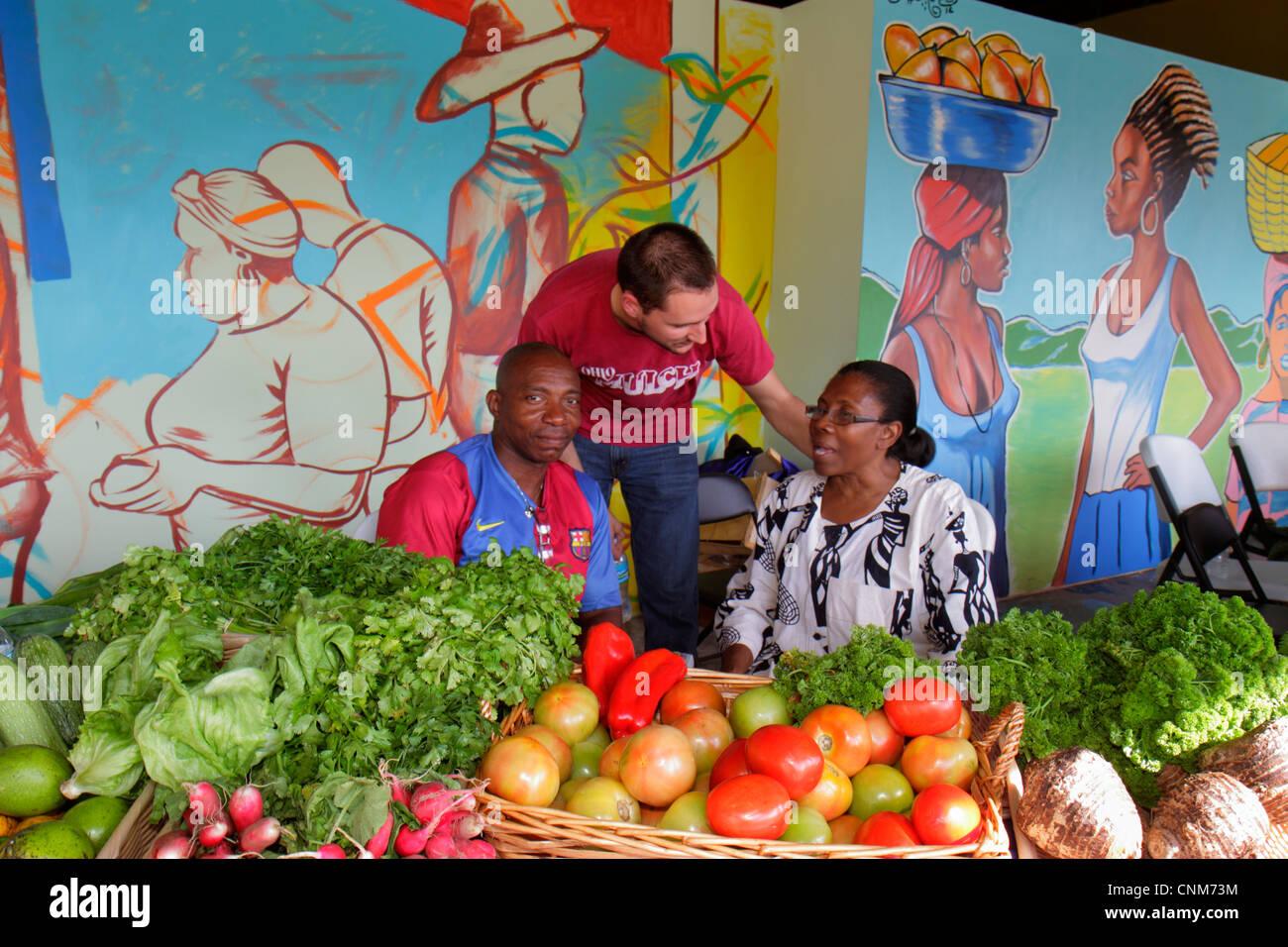
The vibrant marketplaces of the Caribbean are increasingly adopting eco-friendly sourcing strategies that align with the growing global emphasis on sustainability. Local vendors are shifting away from traditional practices that may harm the environment, opting instead for suppliers who prioritize renewable resources and ethically sourced materials. This transformation is not just a trend; it serves as a vital component in fostering a resilient economy that can withstand climate challenges while appealing to environmentally-conscious consumers.
Key actions being implemented include:
- Utilizing Local Resources: Sourcing products directly from local farmers and artisans reduces carbon footprints associated with transportation.
- Emphasizing Organic Quality: Vendors are increasingly focusing on organic materials, providing healthier options to consumers while supporting sustainable farming practices.
- Implementing Waste Reduction Measures: Initiatives such as reducing plastic usage and promoting biodegradable packaging are becoming common in marketplace operations.
| Strategy | Description |
|---|---|
| Community Partnerships | Collaborating with local NGOs to enhance sustainable practices. |
| Education Initiatives | Workshops for vendors on eco-friendly sourcing and sustainability. |
| Consumer Engagement | Promoting awareness about sustainable products among shoppers. |
Innovative Waste Management Solutions Driving Sustainability in Local Markets
As Caribbean marketplaces strive for growth while tackling environmental challenges, local entrepreneurs are turning to innovative waste management solutions. These approaches not only enhance operational efficiency but also foster a culture of sustainability within communities. Key initiatives include:
- Composting Programs: Local businesses are partnering with farmers to create composting initiatives that repurpose organic waste, transforming it into valuable fertilizer.
- Recycling Advances: Advanced recycling facilities are being established, turning plastic waste into reusable materials, which significantly reduces environmental impact.
- Upcycling Projects: Artisans are leading projects that creatively repurpose discarded materials into marketable products, combining creativity with sustainability.
Furthermore, local governments are integral to these transformations, implementing policies that incentivize eco-friendly practices. Through community engagement and educational campaigns, they are promoting responsible consumption and waste reduction. Notably, a recent study indicates a positive trend in public sentiment towards sustainability initiatives:
| Year | Positive Sentiment (%) | Community Participation (%) |
|---|---|---|
| 2021 | 62 | 45 |
| 2022 | 75 | 60 |
| 2023 | 82 | 78 |
This progress signals a transformative shift within the region’s economic landscape, as sustainable practices become interwoven with everyday operations and local growth strategies.
Empowering Small Farmers through Organic Practices and Fair Trade Initiatives
In the vibrant landscapes of the Caribbean, small farmers are undergoing a transformative journey through the adoption of organic farming practices and participation in fair trade initiatives. These strategies not only enhance the quality of their produce but also empower local communities by ensuring fair wages and improved living conditions. By shifting towards sustainable farming methods, these farmers are tapping into a growing market that values sustainability and ethical sourcing. The commitment to organic practices allows them to cultivate crops that are free from harmful pesticides and herbicides, while also enriching the local biodiversity.
Key benefits of these initiatives include:
- Increased income stability: Fair trade practices secure better prices for farmers, allowing for reinvestment in their farms and communities.
- Environmental sustainability: Organic farming improves soil health and reduces pollution, fostering a healthier ecosystem.
- Market access: Certifications help small farmers connect with global markets that prioritize ethical and sustainable products.
| Fair Trade Impact | Organic Farming Benefits |
|---|---|
| Higher income for farmers | Healthier crop yield |
| Empowerment of local communities | Reduced environmental impact |
| Stronger farmer cooperatives | Improved soil fertility |
Building Community Awareness: Educational Programs for Sustainable Consumption
Initiatives aimed at educating consumers about sustainable practices are increasingly becoming a focal point in Caribbean marketplaces. Local organizations and vendors are collaborating to develop programs that not only inform but also engage the community in sustainable consumption. These educational programs are designed to highlight the importance of making informed choices, reducing waste, and supporting local economies. Participants can expect to learn about:
- Eco-friendly product selection: Understanding how to choose products that minimize environmental impact.
- Waste reduction techniques: Strategies for reducing, reusing, and recycling within the community.
- Support for local agriculture: Promoting farm-to-table practices that encourage buying local.
- Awareness campaigns: Workshops and events aimed at boosting community knowledge on sustainable living.
To ensure the success of these educational efforts, a comprehensive schedule of workshops and events has been developed, with participation from schools, community groups, and marketplace vendors. The table below outlines some upcoming events, their topics, and target audiences:
| Event | Topic | Date | Target Audience |
|---|---|---|---|
| Eco-Market Day | Local Produce and Sustainable Choices | March 15, 2023 | General Public |
| Waste Not Workshop | Recycling and Upcycling | March 20, 2023 | Families and Children |
| Green Living Panel | Panel Discussion on Sustainability | March 25, 2023 | Students and Young Adults |
The Way Forward
the embrace of sustainable practices within Caribbean marketplaces marks a pivotal shift towards not only preserving the region’s rich natural resources but also fostering a robust economic future. As local vendors and governments join forces to implement eco-friendly strategies, they are not only enhancing consumer trust but also attracting a more diverse clientele eager to support sustainable initiatives. This commitment to sustainability can serve as a model for other regions, illustrating that economic growth and environmental stewardship can go hand in hand. As Caribbean marketplaces continue to innovate and adapt, they pave the way for a greener, more resilient economy that honors the traditions of the past while looking confidently towards a sustainable future.