


Introduction
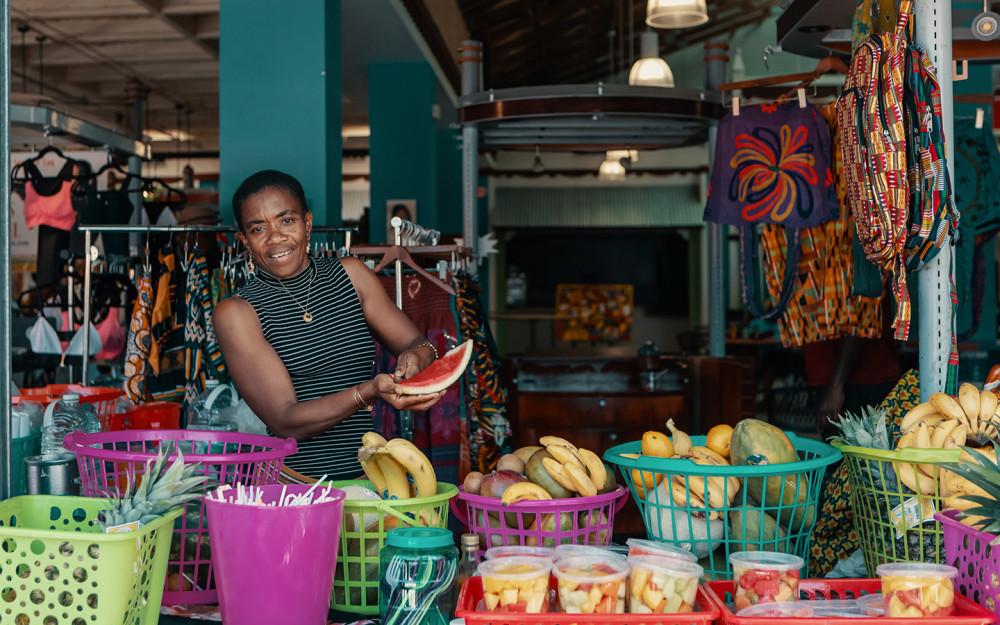
As global economic shifts reshape industries worldwide, the Caribbean region stands at a crossroads, where its vibrant marketplaces are evolving to adapt to new realities. From bustling street vendors to established businesses, the diverse platforms that sustain local economies are undergoing significant transformations, influenced by factors such as international trade dynamics, technological advancements, and changing consumer preferences. This article explores how Caribbean marketplaces are navigating these challenges and opportunities, highlighting innovative strategies employed by entrepreneurs and the pivotal role of community resilience in ensuring their sustainability. As the Caribbean adapts to an increasingly interconnected world, understanding these developments is essential for recognizing the region’s potential to thrive amid adversity.
Table of Contents
- Emerging Trends in Caribbean Marketplaces Response to Economic Shifts
- Analyzing the Impact of Global Supply Chain Disruptions on Local Economies
- Strategies for Empowering Local Vendors in a Competitive Global Landscape
- The Role of Technology in Revitalizing Caribbean Marketplaces for Future Resilience
- The Way Forward
Emerging Trends in Caribbean Marketplaces Response to Economic Shifts
The Caribbean marketplace is witnessing a dynamic transformation in response to evolving economic landscapes, characterized by shifting consumer behaviors and the need for resilience. As traditional commerce grapples with the impacts of global disruptions, digital adoption is accelerating across the region. Businesses are investing heavily in technology to enhance operations and ensure seamless customer experiences. This shift includes:
- Increased E-commerce Platforms: Entrepreneurs are leveraging online platforms to reach wider audiences, reducing reliance on physical storefronts.
- Integration of Mobile Payments: The rise of mobile wallets and contactless payment options is catering to the growing preference for convenience among consumers.
- Focus on Sustainability: Businesses are aligning with eco-friendly practices, responding to the consumer demand for products that prioritize environmental responsibility.
In addition to the technological advancements, local marketplaces are also shifting their supply chains to foster regional collaboration. By sourcing goods and services locally, businesses are not only supporting sustainability but also stimulating the economy and creating jobs. This strategic approach can be summarized as follows:
| Strategy | Description |
|---|---|
| Local Sourcing | Encouraging businesses to buy from nearby suppliers to minimize costs and build community resilience. |
| Collaborative Ventures | Forming partnerships among local companies to share resources and knowledge. |
| Market Diversification | Exploring new markets and products to counteract the effects of global economic uncertainty. |
Analyzing the Impact of Global Supply Chain Disruptions on Local Economies
Global supply chain disruptions have reverberated through local economies, particularly in regions like the Caribbean, where dependence on tourism and imported goods is high. As shipping delays and rising freight costs become commonplace, local businesses are forced to adapt or face significant challenges. These disruptions have resulted in the following impacts:
- Increased prices: With supply shortages, local markets have seen a spike in prices for basic commodities.
- Shift in sourcing: Businesses are beginning to seek alternative suppliers closer to home or within the region to mitigate shipping concerns.
- Innovation and diversification: Local entrepreneurs are developing new business models, such as digital marketplaces, to reach customers directly.
Moreover, these disruptions have prompted a renewed focus on sustainability and self-sufficiency. Local governments are investing in infrastructure to support agricultural production and reduce reliance on imports. A recent study highlights the increasing interest in local products:
| Product Type | Percentage Increase in Local Demand |
|---|---|
| Fresh Produce | 40% |
| Handcrafted Goods | 30% |
| Local Beverages | 25% |
These shifts not only reflect the necessity of adapting to global changes but also indicate a reimagining of what local economies can achieve through resilience and resourcefulness. As the marketplace evolves, this period of transition might pave the way for a more robust and self-sustaining economic landscape in the Caribbean.
Strategies for Empowering Local Vendors in a Competitive Global Landscape
In the face of increasing global competition, empowering local vendors is not merely an option; it is essential for sustaining the economy of Caribbean marketplaces. Numerous strategies can be employed to achieve this goal, ensuring that local businesses not only survive but flourish. A few key approaches include:
- Capacity Building: Offering training programs that enhance skills in areas such as digital marketing, customer service, and product innovation.
- Access to Funding: Facilitating microloans and grants tailored specifically for small businesses, enabling them to invest in growth opportunities.
- Collaborative Initiatives: Encouraging partnerships among local vendors to share resources, cross-promote products, and create collective buying power.
Moreover, fostering a vibrant marketplace requires strategic marketing efforts that can elevate the visibility of local products in a global arena. By utilizing online platforms and leveraging social media, vendors can reach a wider audience, while local governments and organizations can play a pivotal role in promoting ‘Buy Local’ campaigns. Here’s a brief overview of additional tactics:
| Tactic | Description |
|---|---|
| Local Branding | Creating a strong identity for local products to differentiate them from international competitors. |
| Community Engagement | Hosting events that showcase local vendors and encourage community support. |
| Online Presence | Developing e-commerce platforms that allow local vendors to sell products beyond traditional marketplaces. |
The Role of Technology in Revitalizing Caribbean Marketplaces for Future Resilience
The integration of technology into Caribbean marketplaces is becoming a pivotal strategy for promoting economic resilience amid fluctuating global conditions. Digital platforms such as e-commerce sites and mobile payment systems have allowed local vendors to reach broader audiences, transcending geographic limitations. These innovations not only streamline traditional trading practices but also enable businesses to gather valuable data on consumer preferences and market trends. As a result, local entrepreneurs are better equipped to adapt to changing market demands. Noteworthy examples of technology enhancing marketplace efficiency include:
- Online Marketplaces: Facilitate direct sales from producers to consumers.
- Mobile Payment Solutions: Offer secure and quick transactions, increasing access for customers.
- Social Media Marketing: Amplifies brand awareness and engages customers effectively.
Moreover, the rise of technology has encouraged collaborations among Caribbean communities, fostering innovation through shared resources and knowledge. Government initiatives aimed at improving digital infrastructure have also played a crucial role, connecting rural markets to urban demand and international customers. A recent survey highlighted the significance of tech adoption among local businesses, as seen in the table below:
| Technology Type | Percentage of Adoption |
|---|---|
| E-commerce Platforms | 68% |
| Mobile Payments | 72% |
| Social Media for Marketing | 60% |
This data underscores the proliferation of technological solutions within Caribbean marketplaces and their essential role in crafting sustainable economic futures. As more businesses embrace these digital tools, the resilience of local economies will continue to strengthen, fostering a vibrant marketplace that thrives in the face of global challenges.
The Way Forward
As we conclude our exploration of the evolving landscape of Caribbean marketplaces in the context of global economic changes, it is clear that adaptability and innovation are more critical than ever. Local vendors and farmers are not only responding to shifting consumer demands and new technologies but are also navigating the complexities brought about by international trade dynamics and climate change. The resilience shown in these markets underscores the importance of supporting sustainable practices and fair trade initiatives that empower local communities.
As the Caribbean continues to redefine its economic identity, stakeholders must remain vigilant and proactive in fostering environments that promote growth while preserving cultural heritage. The ongoing transformation of these marketplaces stands as a testament to the region’s ability to innovate and thrive in response to the challenges of a rapidly changing world. For policymakers, business leaders, and consumers alike, the call to action is clear: invest in the Caribbean’s future by prioritizing local economies and sustainable development strategies. Only then can we ensure that these vibrant markets not only survive but flourish in the years to come.