


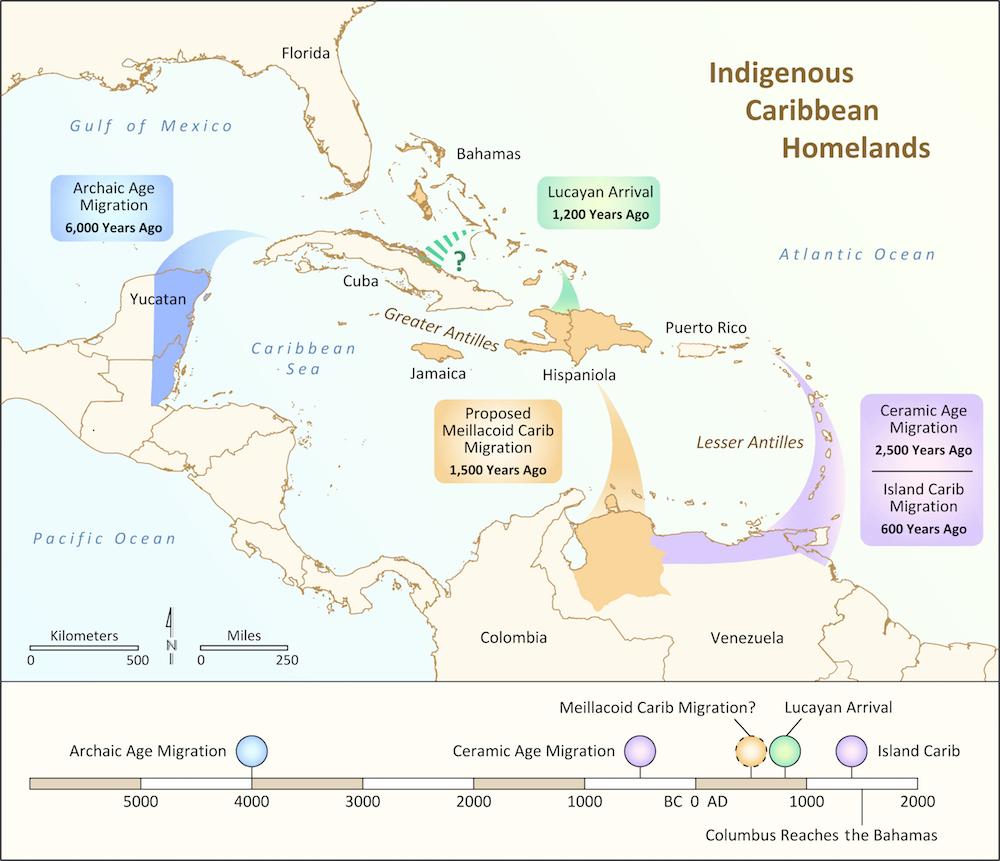
As globalization continues to reshape demographics and economies worldwide, the Caribbean region has experienced significant migration waves that have reverberated across borders. The movement of individuals from Caribbean nations to various host countries—motivated by factors such as economic opportunity, political stability, and family reunification—has not only transformed the identities of those who leave but has also left indelible marks on the social, cultural, and economic fabrics of their host nations. This article delves into the nuances of these migration trends, examining the diverse effects on labor markets, community dynamics, and cultural integration in the receiving countries. By shedding light on the complexities of Caribbean migration, we aim to foster a deeper understanding of its implications and the ways in which these transnational movements enrich both the diasporic communities and their adopted homes.
Table of Contents
- Caribbean Migration Waves and Their Impact on Economic Growth in Host Nations
- Social Integration Challenges Faced by Caribbean Migrants in New Environments
- Cultural Contributions of Caribbean Migrants to Host Nations: A Double-Edged Sword
- Policy Recommendations for Managing Caribbean Migration and Enhancing Community Cohesion
- To Conclude
Caribbean Migration Waves and Their Impact on Economic Growth in Host Nations
The Caribbean has long been a source of dynamic migration waves, with its residents seeking opportunities across the globe, particularly in North America and Europe. These movements significantly affect host nations, influencing their economic landscapes in diverse ways. Migrants from the Caribbean often bring unique skills, cultural expertise, and entrepreneurial spirit, contributing to areas such as:
- Labor Force Augmentation: Filling labor shortages in various sectors, particularly in healthcare, hospitality, and agriculture.
- Cultural Diversity: Enriching the cultural fabric of host communities, which can lead to increased tourism and local business.
- Remittance Flows: Sending substantial amounts of money back home, which boosts the economies of Caribbean nations and fosters consumption.
Studies have shown that the influx of Caribbean migrants can create a ripple effect in the local economies of host countries. For instance, in regions with significant Caribbean populations, a marked increase in small business formation and a boost in key industries are often observed. The following table outlines some of these economic impacts:
| Impact Area | Description |
|---|---|
| Job Creation | Increased demand for services leads to new job opportunities. |
| Local Investment | Migrants often invest in local businesses, spurring economic growth. |
| Innovation | Cultural exchanges foster creativity and innovation. |
Social Integration Challenges Faced by Caribbean Migrants in New Environments
The journey of Caribbean migrants is often characterized by hope and ambition, yet their integration into new communities is fraught with several challenges that can impede their social cohesion. Cultural differences—ranging from language barriers and social norms to varying values—often create friction between migrants and the host community. Many newcomers find themselves grappling with feelings of isolation, as they try to navigate unfamiliar environments while trying to maintain connections to their homeland. The distinctions in educational systems, workplace etiquette, and community engagement practices can further exacerbate feelings of alienation, stifling community ties and opportunities for collaboration.
Moreover, migrants frequently encounter structural obstacles that hinder their social integration. Economic disparities can limit access to essential resources such as healthcare, housing, and employment opportunities. As a result, many Caribbean migrants may be forced into low-income jobs that do not reflect their qualifications or skills. This economic marginalization not only affects their ability to thrive but also impacts their perception in the eyes of the host community. The following table highlights some key obstacles faced by Caribbean migrants:
| Challenges | Impacts |
|---|---|
| Cultural Differences | Feelings of isolation and misunderstanding |
| Language Barriers | Difficulty in communication and social interaction |
| Economic Disparities | Limited access to resources and opportunities |
| Social Exclusion | Reduced community engagement and support |
Cultural Contributions of Caribbean Migrants to Host Nations: A Double-Edged Sword
Caribbean migrants have played a pivotal role in shaping cultural landscapes of host nations through their vibrant traditions, art forms, and cuisines. The contribution of Caribbean music, such as reggae, calypso, and salsa, transcends borders, creating a universal language that fosters cultural exchange. Culinary influences are equally significant, with dishes like jerk chicken and roti becoming staples in diverse communities. Furthermore, Caribbean festivals, including Carnival and Diwali, serve not only as celebrations of heritage but also as avenues for cross-cultural interactions, enriching the social fabric of host societies.
However, the integration of Caribbean cultures is often met with challenges, leading to a complex dynamic within host nations. While the arts and culinary scenes flourish, instances of cultural appropriation and misunderstanding can arise, sparking debates over authenticity and ownership. Additionally, the influx of Caribbean migrants can lead to tensions surrounding resources and identity, as local populations navigate the balance between embracing diversity and preserving cultural norms. These complexities underscore the dual nature of cultural contributions—while they foster enrichment and diversity, they can also ignite friction and debate about inclusivity and belonging.
Policy Recommendations for Managing Caribbean Migration and Enhancing Community Cohesion
To effectively manage Caribbean migration and foster community cohesion, a multifaceted approach is essential. Governments should consider implementing comprehensive immigration policies that prioritize the integration of migrants. Key elements of these policies could include:
- Workforce development programs aimed at aligning the skills of migrants with the labor market needs of host nations.
- Cultural exchange initiatives that celebrate diversity and promote understanding between newcomers and local populations.
- Access to essential services such as healthcare, education, and legal assistance to ensure that migrants can fully participate in society.
- Community engagement strategies that involve local residents in decision-making processes related to migration and integration.
Furthermore, establishing partnerships between governments, non-profit organizations, and community groups can enhance support systems for both migrants and host communities. For instance, an effective collaboration framework could outline specific roles and responsibilities for stakeholders in addressing the challenges faced by migrants. The table below illustrates potential areas for collaboration:
| Stakeholder | Focus Area | Potential Actions |
|---|---|---|
| Government | Policy Framework | Develop inclusive migration policies |
| NGOs | Community Support | Provide legal and social services |
| Local Residents | Cultural Integration | Organize cultural and educational events |
To Conclude
As we conclude our exploration of Caribbean migration waves and their effects on host nation dynamics, it is clear that these movements are not merely demographic shifts but profound societal changes that shape the cultural, economic, and political landscapes of receiving countries. The interplay between migrant communities and local populations fosters a rich tapestry of diversity while also presenting challenges that require thoughtful engagement from policymakers.
As global migration continues to evolve, understanding the historical context and current implications of such movements is essential for fostering inclusive societies that benefit from the contributions of all residents. As host nations adapt to these shifts, the need for comprehensive, culturally-aware policymaking becomes paramount. Only through collaboration and mutual respect can we harness the full potential of Caribbean migration, ensuring that both migrants and host communities thrive in an increasingly interconnected world.
In this era of globalization, the insights gained from examining Caribbean migration can inform broader discussions about migration trends worldwide. Policymakers, community leaders, and citizens alike are encouraged to reflect on these dynamics and engage in dialog that promotes understanding, equity, and resilience in the face of change. The journey of migration is ongoing, and its impacts will continue to shape our societies for generations to come.