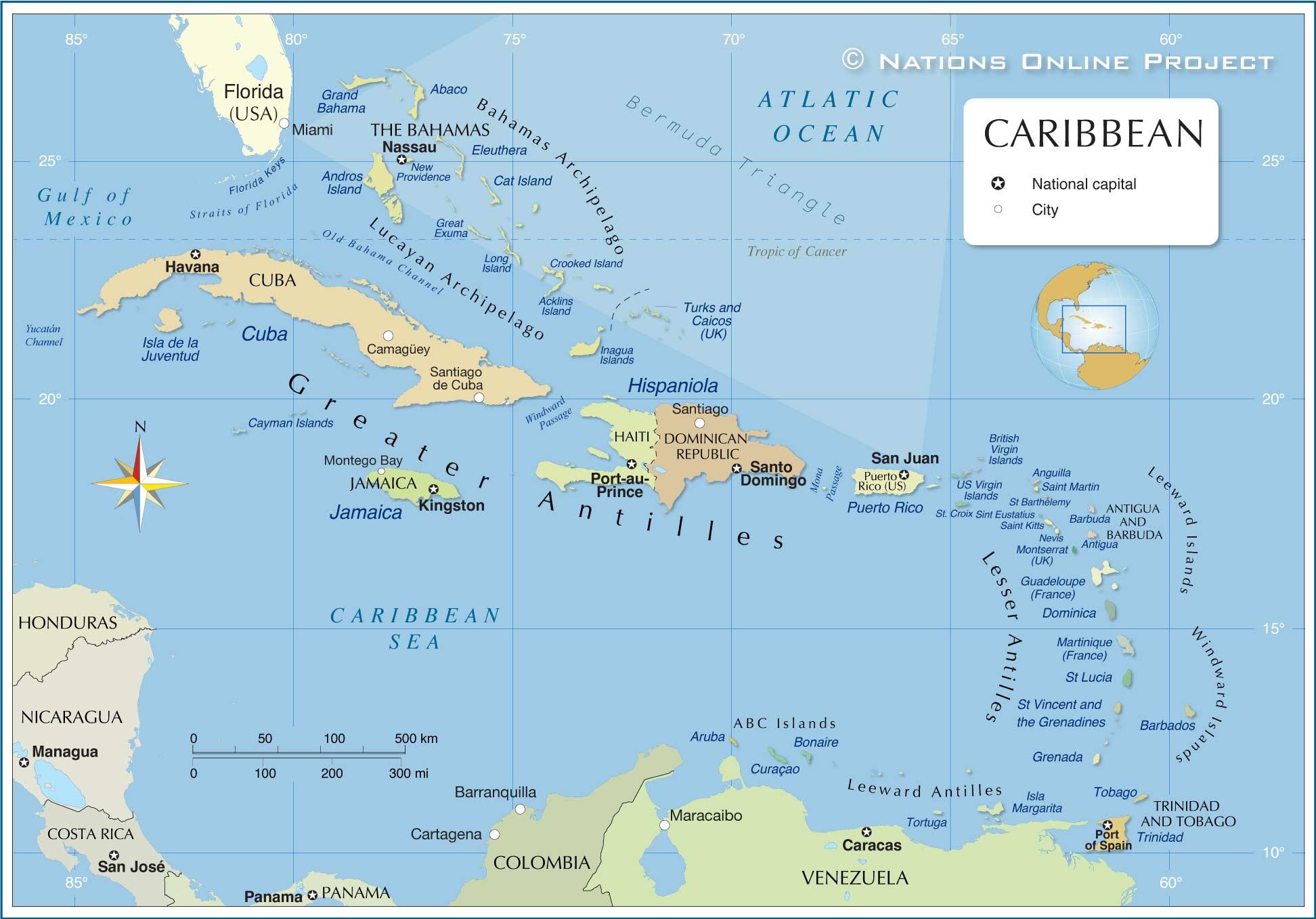
Introduction: Embracing Sustainability in the Caribbean
As climate change continues to pose unprecedented challenges globally, Caribbean nations are stepping up to the plate, championing the cause of sustainable growth through innovative green technologies. Nestled in the heart of the tropics, these vibrant islands are not only known for their breathtaking landscapes and rich cultural heritage but are also emerging as leaders in the battle for environmental resilience. With their economies heavily reliant on tourism and agriculture—sectors vulnerable to the impacts of climate change—Caribbean countries recognize that embracing green technologies is not merely an option; it’s a necessity for a sustainable future. From harnessing solar energy to pioneering waste-to-energy initiatives, these nations are redefining their growth trajectories, combining economic development with ecological responsibility. In this article, we explore how the Caribbean is transforming its approach to sustainability and the innovative strategies that are setting a blueprint for a greener future.
Table of Contents
- Exploring Renewable Energy Initiatives in Caribbean Nations
- Sustainable Agriculture Practices Transforming Local Economies
- The Role of Eco-Tourism in Promoting Green Technologies
- Strategies for Collaborating on Regional Environmental Policies
- Closing Remarks
Exploring Renewable Energy Initiatives in Caribbean Nations
The Caribbean is rapidly transforming its energy landscape by investing in renewable energy solutions that promise not just sustainability, but also economic resilience. With abundant natural resources like sunlight, wind, and ocean currents, nations across the region are harnessing these assets to reduce dependence on imported fossil fuels. For instance, countries such as Barbados and Dominica are leading the charge with solar power initiatives, while Bahamas and Cuba explore wind farm projects and other innovative technologies. This green revolution is not only about conservation, but also about creating jobs, stimulating local economies, and ensuring energy security for future generations.
In pursuit of their sustainable goals, Caribbean nations have established numerous initiatives, including legislation supporting green technology, financial incentives to encourage investment, and partnerships with international organizations. Key objectives include the following:
- Increasing the share of renewable energy in overall energy consumption
- Reducing greenhouse gas emissions by setting targets for clean energy use
- Promoting energy efficiency programs in both residential and commercial sectors
- Developing local capacity and technical expertise in renewable technologies
Together, these efforts not only address climate change but also promote a sustainable future that is closely aligned with the region’s economic development goals.
Sustainable Agriculture Practices Transforming Local Economies
In recent years, several Caribbean nations have recognized the integral role of sustainable agriculture in boosting local economies. By adopting eco-friendly practices, farmers are not only enhancing productivity but also ensuring the preservation of natural resources. Some of the key initiatives include:
- Crop Rotation: Diversifying crop production helps maintain soil fertility and reduces pest occurrences.
- Agroecology: This holistic approach incorporates traditional knowledge and modern science, promoting biodiversity and ecosystem health.
- Organic Farming: Minimizing the use of synthetic fertilizers and pesticides supports healthier crops and consumers.
Furthermore, local communities are beginning to witness economic benefits as a direct result of these sustainable methods. Increased demand for organic produce has opened up new markets, attracting local and international consumers alike. This shift not only supports farmers financially but also fosters job creation throughout the supply chain. The following table illustrates the potential economic impacts:
| Economic Impact | Projected Growth (%) |
|---|---|
| Job Creation in Agriculture | 20% |
| Increase in Organic Produce Sales | 35% |
| Exports of Sustainable Goods | 50% |
The Role of Eco-Tourism in Promoting Green Technologies
As Caribbean nations work diligently towards sustainable growth, eco-tourism stands out as a pivotal force driving the adoption of green technologies. By attracting environmentally conscious travelers, these nations are incentivized to implement practices that preserve their unique ecosystems while promoting economic development. This symbiosis creates a platform where local communities can benefit from eco-friendly initiatives, underlining the importance of sustainability and responsibility in tourism. The implementation of green technologies not only enhances the visitor experience but also ensures that the natural beauty of the region remains intact for future generations.
Various eco-tourism initiatives have already demonstrated the benefits of integrating modern technologies with traditional practices. For instance, many resorts now feature solar panels, rainwater harvesting systems, and energy-efficient appliances as part of their infrastructure. Such advancements not only reduce the carbon footprint but also serve as educational tools for tourists, highlighting the significance of sustainable living. The transition to green technologies is further supported by initiatives that promote local craftsmanship and organic agricultural practices, creating a holistic approach to tourism that benefits both the environment and the local economy:
| Eco-Friendly Practice | Benefit |
|---|---|
| Solar Energy | Reduces electricity costs and carbon emissions |
| Waste Management Systems | Minimizes waste and promotes recycling |
| Local Sourcing | Supports local businesses and reduces transportation emissions |
Strategies for Collaborating on Regional Environmental Policies
To foster collaboration among Caribbean nations on environmental policies, it is essential to establish frameworks that promote shared goals and resources. Forming regional task forces can facilitate dialog and information exchange, allowing countries to learn from each other’s successes and practices. Collaborative efforts could include:
- Joint research initiatives to assess the impact of climate change on local ecosystems.
- Shared funding models for sustainable projects, leveraging financial support from international organizations.
- Regular workshops and conferences to discuss advancements in green technologies.
- Creating a unified platform for policy advocacy at international forums.
To ensure that these collaborative endeavors yield tangible results, establishing clear metrics for success is vital. Implementing a system of indicators that can track progress in sustainability initiatives will help countries maintain accountability. An example of such a system can be structured as follows:
| Indicator | Measurement Method | Frequency of Evaluation |
|---|---|---|
| Reduction in Carbon Emissions | National Emission Reports | Annually |
| Increase in Renewable Energy Usage | Energy Consumption Data | Biannually |
| Improvement in Biodiversity | Wildlife Surveys | Every 3 Years |
By aligning their objectives and utilizing shared resources, Caribbean nations can develop more robust environmental policies that enhance sustainability while driving regional growth.
Closing Remarks
As the Caribbean nations chart a path towards sustainable growth, the embrace of green technologies stands as a beacon of hope and innovation. By harnessing the region’s abundant natural resources and leveraging cutting-edge technology, these nations are not only enhancing their resilience against climate change but also fostering economic opportunities that can uplift communities for generations to come.
The commitment to sustainability goes beyond mere rhetoric; it reflects a collective understanding that the health of our environment is intrinsically linked to social and economic well-being. Whether it’s through solar energy initiatives, sustainable agriculture practices, or eco-friendly tourism, the Caribbean is carving out a distinctive identity that prioritizes both progress and preservation.
As we continue to follow the evolution of these green initiatives, it’s crucial for all stakeholders—governments, businesses, and communities—to collaborate and share best practices. By doing so, Caribbean nations can lead by example on the global stage, showcasing how a united approach to sustainability not only preserves the beauty of these islands but also fosters a robust, diversified economy.
This journey towards sustainable growth is well underway, and there is a palpable sense of optimism in the air. Let us all be inspired by the Caribbean’s commitment to green technologies and look forward to a future where economic prosperity and environmental stewardship go hand in hand. Together, we can support these efforts, champion local innovations, and contribute to a thriving Caribbean that embraces a greener tomorrow.