


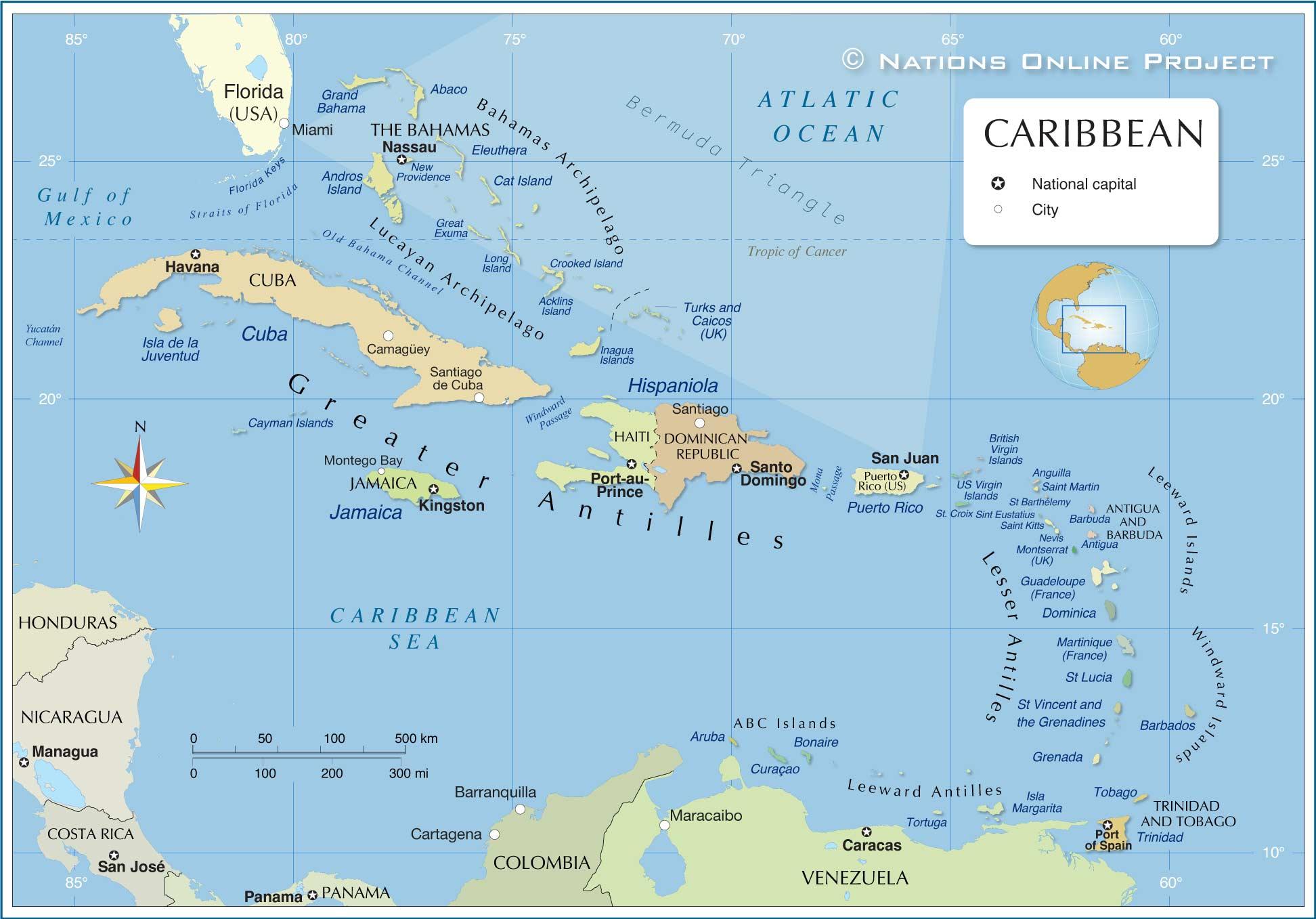
In a historic move underscoring the urgent need for collective action against the climate crisis, Caribbean nations have come together to form a unified front in global climate change advocacy. As small island developing states that are particularly vulnerable to the impacts of climate change—ranging from rising sea levels to increased hurricane intensity—these nations are forging alliances to amplify their voices on the international stage. This coalition aims not only to address the immediate challenges they face but also to influence global policies and foster resilience within their communities. With the recent summit convening in Port of Spain, leaders are laying the groundwork for collaborative initiatives designed to secure vital funding, share sustainable practices, and advocate for more ambitious climate commitments from larger nations. As the world grapples with the escalating effects of climate change, the Caribbean’s united effort represents a critical step toward safeguarding the future of its islands and inspiring similar actions across the globe.
Table of Contents
- Caribbean Nations Forge Collaborative Strategies to Address Climate Change Challenges
- Innovative Policies and Renewable Energy Initiatives Driving Regional Climate Action
- Building Resilience Through Community Engagement and Local Adaptation Efforts
- Leveraging Global Platforms for Enhanced Advocacy and International Support
- In Retrospect
Caribbean Nations Forge Collaborative Strategies to Address Climate Change Challenges
The Caribbean community is stepping up efforts to combat the escalating threats posed by climate change through unified strategies aimed at enhancing resilience and fostering sustainable development. By pooling resources and sharing knowledge, these nations are committed to implementing comprehensive plans that prioritize environmental preservation while promoting economic growth. Key initiatives launched include:
- Regional Research Collaborations: Joint climate studies focusing on vulnerabilities specific to island ecosystems.
- Shared Renewable Energy Projects: Investment in solar, wind, and hydroelectric projects to reduce dependency on fossil fuels.
- Sustainable Tourism Practices: Development of eco-friendly tourism initiatives that protect natural resources.
To facilitate these efforts, Caribbean nations have also established a centralized task force that will oversee progress and ensure alignment with international climate commitments. The task force’s goals encompass a variety of objectives that include:
| Objective | Action Plan |
|---|---|
| Strengthen Local Capacity | Workshops and training programs for local communities on climate adaptation techniques. |
| Enhance Disaster Preparedness | Develop early warning systems and emergency response protocols. |
| Climate Education Initiatives | Incorporate climate change topics into school curricula across the region. |
Innovative Policies and Renewable Energy Initiatives Driving Regional Climate Action
Across the Caribbean, a wave of innovative policies is transforming the landscape of renewable energy and climate action. Governments have begun to prioritize sustainable practices by integrating solar, wind, and biomass energy into their national agendas. This shift not only aims to reduce the region’s dependency on fossil fuels but also enhances energy security while driving economic growth. Among the notable initiatives are:
- Tax incentives for renewable energy projects.
- Public-private partnerships to boost investment in green technologies.
- Commitment to achieving 100% renewable energy production by 2030.
In addition to these policies, the establishment of specialized task forces has facilitated regional cooperation on climate issues. By sharing best practices and resources, Caribbean nations are strengthening their collective capacity to combat climate change. The following table highlights recent renewable energy initiatives implemented across various nations:
| Country | Initiative | Impact |
|---|---|---|
| Barbados | Residential Solar Incentive | 30% increase in solar installations |
| Jamaica | Wind Farm Development | Save 20% on energy costs |
| Dominican Republic | Biomass Energy Policy | Reduce waste by 25% |
Building Resilience Through Community Engagement and Local Adaptation Efforts
In the face of climate change, Caribbean nations are forging a path toward resilience through collaborative community engagement and localized initiatives. By harnessing the collective power of local communities, countries are able to implement adaptive strategies tailored to their unique environmental challenges. Key strategies include:
- Strengthening local governance to ensure community voices are heard in policy-making.
- Encouraging sustainable agricultural practices that protect local ecosystems while providing food security.
- Promoting eco-tourism that both preserves natural resources and creates economic opportunities for residents.
These efforts are crucial in mitigating the impacts of climate change. Community-led projects, such as mangrove restoration and waste management programs, not only enhance environmental resilience but also foster a sense of ownership among residents. The involvement of local stakeholders ensures that adaptation strategies are practical and culturally relevant. To better illustrate the progress of such initiatives, below is a summary of recent community projects across the Caribbean:
| Country | Project Name | Focus Area | Status |
|---|---|---|---|
| Jamaica | Green Coast Initiative | Mangrove Restoration | Ongoing |
| Barbados | Agro-ecological Transition | Sustainable Agriculture | Completed |
| Dominican Republic | Community Waste Circles | Waste Management | In Progress |
Leveraging Global Platforms for Enhanced Advocacy and International Support
The challenge of climate change requires a unified front, and Caribbean nations are increasingly recognizing the importance of harnessing global platforms to amplify their voices. By participating in international forums such as the United Nations Climate Change Conference, these nations not only highlight their vulnerabilities but also advocate for significant policy changes. Engaging with global stakeholders allows Caribbean countries to showcase their resilience initiatives, especially regarding renewable energy sources, coastal protection, and sustainable agriculture practices. Collaborating with organizations like the Caribbean Community (CARICOM) and the Caribbean Development Bank facilitates knowledge-sharing and resource mobilization aimed at addressing climate change while fostering networks for collaboration.
To effectively leverage these platforms, Caribbean nations are focusing on several key strategies:
- Building Alliances: Strengthening partnerships with developed nations, NGOs, and environmental groups to secure financing and technical support.
- Promoting Regional Cohesion: Presenting a united stance on climate issues that resonates more powerfully on the global stage.
- Utilizing Technology: Employing digital tools and social media campaigns to raise awareness and engage global audiences in climate advocacy efforts.
Additionally, a collaborative database of ongoing projects across the region can help visualize the impact and necessity of these initiatives. The table below outlines some current projects spearheaded by Caribbean nations in response to climate challenges:
| Country | Project Name | Objective |
|---|---|---|
| Jamaica | Renewable Jamaica | Expand solar energy use across rural communities |
| Barbados | Coastal Resilience Project | Protect coastal ecosystems and infrastructure |
| Dominican Republic | Agro-ecological Innovations | Adopt sustainable farming practices to combat soil degradation |
In Retrospect
the united effort of Caribbean nations to advocate for global climate change action exemplifies a significant step toward addressing one of the most pressing challenges of our time. By collaborating regionally and presenting a unified voice on the international stage, these nations are not only seeking to protect their unique ecosystems but also advocating for the vulnerable communities impacted by climate change. The commitment to sustainability and resilience showcased by these countries serves as a model for global cooperation. As they prepare for upcoming international forums, the importance of their message resonates louder than ever: a collective response is essential for ensuring a sustainable future for all. It is imperative that the international community listens and acts decisively to support these efforts, fostering a more equitable and sustainable approach to climate change that honors not only the Caribbean but the planet as a whole.