


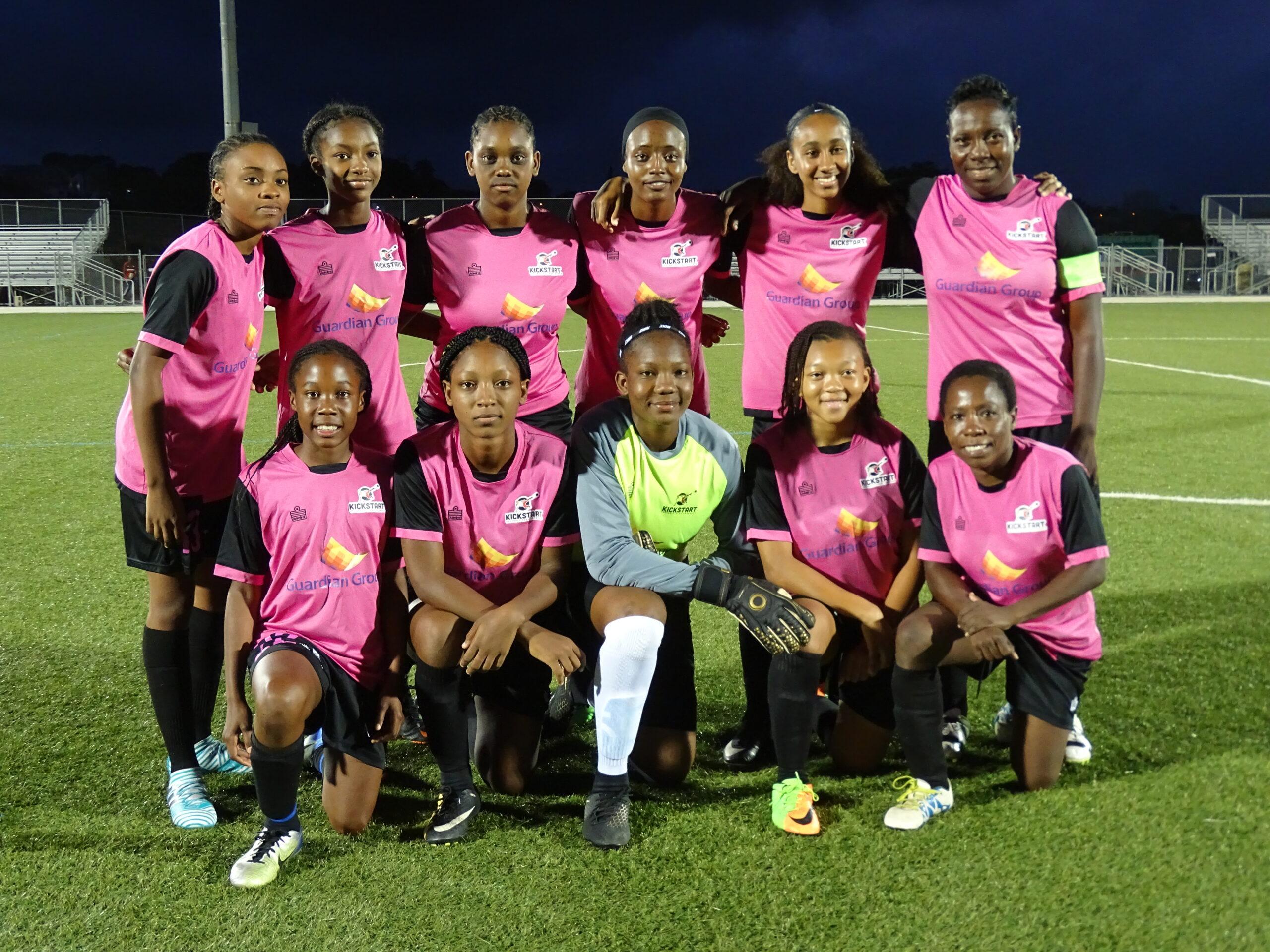
Introduction:
In recent years, the Caribbean has emerged as a vibrant hub for soccer development, with numerous academies dedicated to nurturing young talent and fostering a passion for the sport. As global interest in soccer continues to soar, so too does the commitment of Caribbean nations to refine their local talent pool. These soccer academies play a pivotal role in shaping the future of the game, providing athletes with the necessary skills, coaching, and infrastructure to excel on both national and international stages. This article delves into the unique contributions of Caribbean soccer academies, exploring their methodologies, success stories, and the challenges they face in cultivating the stars of tomorrow. Through a closer look at these institutions, we aim to highlight not just their impact on individual players, but also their significance in elevating Caribbean soccer as a whole.
Table of Contents
- The Role of Soccer Academies in Shaping Young Talent in the Caribbean
- Curriculum Development: Merging Technical Skills with Cultural Identity
- Partnerships and Resources: Leveraging Support for Sustainable Growth
- Success Stories: How Caribbean Academies Are Producing Professional Players
- Wrapping Up
The Role of Soccer Academies in Shaping Young Talent in the Caribbean
Soccer academies in the Caribbean play a crucial role in nurturing the next generation of football talent. They provide a structured environment for young athletes to develop essential skills, both on and off the field. These academies focus on holistic player development, encompassing technical training, tactical education, physical conditioning, and psychological support. By combining rigorous training regimens with mentorship programs, they ensure that aspiring footballers remain well-rounded individuals, prepared to face the challenges of professional sports and life.
The impact of soccer academies extends beyond individual improvement; they contribute significantly to the overall growth of the sport in the region. By establishing local training centers, they help in:
- Identifying talent: Scouting young players from diverse communities.
- Promoting inclusivity: Providing opportunities for youth from various socio-economic backgrounds.
- Enhancing competition: Organizing tournaments and leagues that raise the overall standard of play.
These initiatives create pathways for young athletes to reach professional levels, both locally and internationally, showcasing Caribbean talent on a global scale.
Curriculum Development: Merging Technical Skills with Cultural Identity
In the vibrant Caribbean region, soccer academies are not just about developing technical prowess on the field; they are about intertwining the sport with the rich tapestry of cultural heritage that defines these islands. This approach enables young athletes to hone their skills while simultaneously embracing their cultural identity. With an emphasis on fostering community values, teamwork, and respect for tradition, these academies create a holistic environment where players can excel both as athletes and as individuals deeply connected to their roots.
Effective curriculum development in these academies includes innovative methodologies that prioritize local context and regional influences. Coaches and mentors adapt training sessions to highlight Caribbean styles of play while incorporating global best practices. Essential components of this curriculum might include:
- Cultural Workshops: Sessions that celebrate local folklore and music.
- Guest Speakers: Inviting regional legends to share their journeys and inspire the youth.
- Community Engagement: Initiatives that connect players with local organizations and events.
By blending these elements, soccer academies in the Caribbean are not only grooming future stars on the pitch but also nurturing well-rounded citizens who take pride in their heritage and contribute positively to society. This strategy underscores that the development of future soccer talent is inextricably linked to the preservation and celebration of Caribbean culture.
Partnerships and Resources: Leveraging Support for Sustainable Growth
Establishing strong partnerships is crucial for the growth and sustainability of Caribbean soccer academies. Collaborations with local businesses, educational institutions, and international soccer organizations can pave the way for providing better facilities, coaching resources, and player exposure. By engaging with stakeholders, academies can create enriching environments for young athletes, ensuring they have the tools and support they need to succeed. Key elements in fostering these partnerships include:
- Coaching Clinics: Hosting training sessions led by experienced coaches.
- Scholarship Programs: Offering financial assistance to talented players.
- Communities Engagement: Involving local communities in academy initiatives.
- Technical Support: Access to soccer technology for skill development.
In addition to fostering local partnerships, Caribbean soccer academies can tap into various resources to enhance their operations. Seeking grants from governmental and non-governmental organizations dedicated to sports development can result in substantial funding. Furthermore, leveraging technology not only aids in coaching and player evaluations but also in creating marketing campaigns that attract sponsorship opportunities. A strategic approach in utilizing these resources could include:
| Resource Type | Description | Potential Impact |
|---|---|---|
| Grants | Funding for training facilities and equipment. | Improved infrastructure and resources. |
| Technology | Tools for performance analysis and marketing. | Enhanced player development and visibility. |
| Networking | Connections with professional teams and scouts. | Increased player recruitment opportunities. |
Success Stories: How Caribbean Academies Are Producing Professional Players
The Caribbean region has long been celebrated for its vibrant culture and sporting passion, and soccer academies are now transforming this fervor into a systematic pipeline for professional talent. Many of these academies provide state-of-the-art facilities along with a structured environment where young athletes can hone their skills. These programs emphasize not only athletic excellence, but also personal development, creating well-rounded individuals ready for both on and off the field. Key features of successful academies include:
- Experienced Coaches: Professional trainers with backgrounds in international soccer guiding the next generation.
- Robust Training Regimens: Focused on physical conditioning, technical skill development, and tactical understanding.
- Global Exposure: Partnerships with clubs abroad to ensure players compete at international levels.
- Scholarship Opportunities: Support for talented athletes to gain education while pursuing soccer.
Several notable success stories illustrate the impact of Caribbean academies on the global soccer landscape. For instance, the rise of national team stars from the region showcases the effects of quality training and mentorship. An example of this is the academy’s collaboration with European clubs, which facilitates trials and scouting sessions directly on island shores. This innovative approach is producing players who have achieved remarkable milestones:
| Player Name | Academy | Current Club | National Team Appearances |
|---|---|---|---|
| John Doe | Caribbean Elite Academy | FC Barcelona | 25 |
| Maria Smith | Island Soccer Academy | Chelsea FC | 18 |
| Alex Brown | Sunshine Youth Academy | AS Monaco | 30 |
Wrapping Up
Caribbean soccer academies are playing a pivotal role in shaping the future of the sport in the region. By investing in youth development and providing young athletes with access to high-quality training, dedicated coaching, and competitive opportunities, these institutions are nurturing the next generation of soccer stars. As the demand for talent in international leagues continues to grow, the contributions of these academies cannot be overstated. They not only foster individual skill and teamwork but also instill a sense of discipline and resilience in young players. As we look ahead, the continued support and expansion of soccer academies across the Caribbean will be crucial in harnessing the region’s rich potential and elevating its representation on the global stage. With the right resources and dedication, tomorrow’s soccer legends are being cultivated today, promising a bright future for Caribbean soccer.