


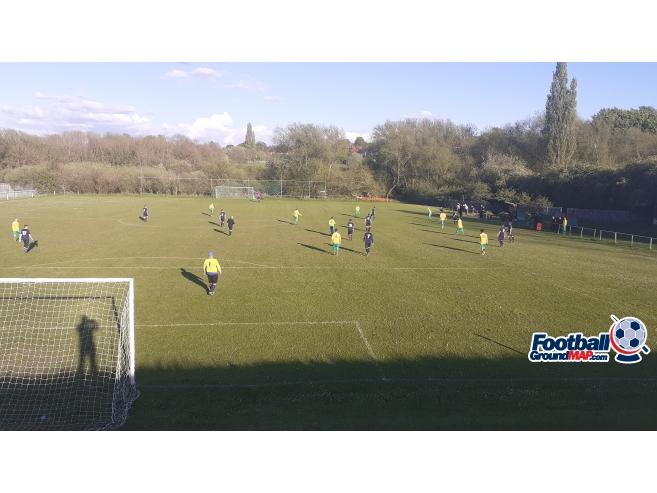
In a region renowned for its vibrant culture and rich athletic history, Caribbean sports clubs are playing a pivotal role in nurturing the next generation of local talent. As economies strive for diversification and youth engagement, these clubs are not merely centers for recreational activity; they are becoming crucial incubators for skill development, community cohesion, and professional growth in various sports. From promising footballers in Trinidad to emerging cricket stars in Jamaica, the commitment of local clubs to foster young athletes is transforming the sporting landscape of the Caribbean. This article explores the significant contributions of these organizations, the challenges they face, and their vital impact on the future of sports in the region. Join us as we delve into the integral role of Caribbean sports clubs in shaping champions and empowering communities for tomorrow.
Table of Contents
- Understanding the Role of Caribbean Sports Clubs in Talent Development
- Identifying Key Challenges Facing Local Athletes
- Innovative Approaches to Training and Resource Allocation
- Fostering Community Engagement and Support for Sustainable Growth
- Concluding Remarks
Understanding the Role of Caribbean Sports Clubs in Talent Development
The Caribbean sports landscape is enriched by a network of dedicated sports clubs that serve as vital incubators for local talent. These organizations play a crucial role in identifying and nurturing emerging athletes across various disciplines, from cricket and football to athletics and swimming. By providing structured training programs, mentorship, and competitive opportunities, these clubs not only hone athletic skills but also foster essential life skills such as teamwork, discipline, and resilience. The community-centric approach of these clubs encourages young athletes to commit to their development while reinforcing local pride and identity.
Moreover, Caribbean sports clubs often serve as crucial platforms for scouting and recruitment by professional teams. They create pathways for young athletes to transition from local leagues to international competitions, enhancing their prospects significantly. Key features of these clubs include:
- Community Engagement: Actively involving parents and local businesses in club activities.
- Diverse Training Programs: Tailored sessions designed for various skill levels and ages.
- Partnerships: Collaborating with schools and sports federations to streamline talent identification.
To highlight the impact of these clubs, consider the table below which outlines common sports and their respective development focus areas:
| Sport | Development Focus |
|---|---|
| Cricket | Batting and bowling techniques, sportsmanship |
| Football | Skill development, tactical awareness |
| Swimming | Stroke techniques, endurance training |
| Athletics | Speed, strength, and agility training |
Identifying Key Challenges Facing Local Athletes
Local athletes in the Caribbean face numerous obstacles that hinder their potential for success. Limited access to training facilities often poses the most significant challenge, with many regions lacking the adequate infrastructure needed for comprehensive athlete development. In addition to infrastructure, there is also a scarcity of professional coaching and mentorship, which can prevent young athletes from honing their skills effectively. Moreover, financial constraints restrict opportunities for participation in national and international competitions, leading to fewer chances for exposure and growth.
Beyond physical and financial barriers, cultural attitudes toward sports can also limit local athletes. In some communities, sports may not be seen as a viable career path, detracting from the encouragement that young talent needs to pursue their ambitions. Additionally, mental health support is often overlooked, leaving athletes without the necessary resources to cope with the pressures that accompany competitive sports. Addressing these challenges requires a multifaceted approach, including investment in local sports programs, community advocacy, and enhanced mental health resources, ensuring that athletes can thrive both on and off the field.
Innovative Approaches to Training and Resource Allocation
In the dynamic landscape of Caribbean sports, clubs are adopting innovative training methodologies that not only enhance athletic performance but also foster a culture of teamwork and resilience. These approaches leverage technology and localized knowledge to bridge the gap between potential and performance. For instance, many clubs are integrating data analytics to track athletes’ progress, tailor training regimens, and maximize effectiveness. This data-driven approach enables coaches to identify each athlete’s strengths and weaknesses, allowing for personalized training that meets individual needs. Additionally, virtual reality (VR) tools are being employed to simulate competitive scenarios, giving athletes the opportunity to hone their skills in a controlled environment before they face real-world challenges.
Resource allocation is also undergoing a transformation, with clubs focusing on strategic partnerships and community engagement to support their development programs. By collaborating with local businesses, educational institutions, and global sports organizations, clubs are able to secure funding, expert coaching, and resources that might otherwise be out of reach. This collaborative framework not only brings in financial support but also strengthens community ties, fostering a sense of ownership among members. Key initiatives include:
- Workshops and Seminars: Offering educational sessions led by experienced athletes and coaches.
- Scholarship Programs: Providing financial assistance to young talents pursuing sports education.
- Community Events: Hosting local tournaments to promote grassroots participation and talent scouting.
Fostering Community Engagement and Support for Sustainable Growth
Caribbean sports clubs serve as crucial hubs for nurturing local talent while instilling a sense of community and belonging. By facilitating grassroots initiatives, these organizations create pathways for young athletes to enter competitive environments, significantly contributing to their social and athletic development. Engagement with local schools, families, and stakeholders fosters an inclusive atmosphere where participation is welcomed, ultimately leading to improved athletic programs designed for all age groups. Specifically, clubs can enhance their outreach through:
- Workshops and camps that focus on skill-building.
- Collaboration with local businesses for sponsorships and support.
- Hosting community events that highlight local talent.
- Utilizing social media for awareness and recruitment.
Furthermore, sustaining this community involvement is vital for the growth of both the athletes and the clubs themselves. By prioritizing mentorship programs, experienced coaches and former athletes can guide newcomers, ensuring that local talent is not only recognized but also well-supported throughout its journey. The success of these clubs can be measured through indicators such as:
| Indicator | Impact |
|---|---|
| Participation Rates | Increased engagement from youth in sports. |
| Training Opportunities | Improved skill levels and competitive success. |
| Community Events | Stronger community ties and support networks. |
Concluding Remarks
Caribbean sports clubs are playing a pivotal role in nurturing local talent and shaping the future of sports in the region. By providing access to essential resources, expert coaching, and competitive opportunities, these clubs are not only fostering athletic excellence but also instilling valuable life skills in young athletes. As their influence grows, it is crucial for governments, private sectors, and local communities to support these initiatives, ensuring the sustainability of this vital ecosystem. Investments in youth sports development will pave the way for a new generation of athletes ready to represent the Caribbean on the global stage. With a concerted effort from all stakeholders, the promise of a thriving sports culture in the Caribbean is bright, empowering young individuals to pursue their dreams and enrich the region’s sporting legacy.