


Introduction
The Caribbean is a vibrant mosaic of cultures, traditions, and histories that have evolved over centuries, shaped by a unique blend of indigenous, African, European, and Asian influences. This colorful region is not only known for its stunning landscapes and warm climate but also for its rich tapestry of customs surrounding some of life’s most significant moments: birth, life, and death. In this article, we will explore the diverse traditions that mark these pivotal events, shedding light on the rituals, celebrations, and beliefs that define the Caribbean experience. From joyous celebrations of new life to solemn commemorations of those who have passed, the Caribbean traditions offer profound insights into the values and connections that bind communities together. Join us as we journey through time and culture, uncovering the meanings behind these cherished practices that continue to resonate in the hearts of Caribbean people today.
Table of Contents
- Exploring Birth Ceremonies in Caribbean Cultures
- Honoring Life Through Vibrant Celebrations and Festivals
- Understanding Death Rituals and Their Significance in the Caribbean
- Embracing Tradition: How to Incorporate Caribbean Customs into Modern Life
- The Way Forward
Exploring Birth Ceremonies in Caribbean Cultures
Birth ceremonies across the Caribbean are rich in cultural significance, often infused with the vibrant traditions and beliefs of the various ethnic groups inhabiting the islands. These celebrations not only mark the arrival of a new life but also serve to strengthen family bonds and promote community ties. Common elements often include:
- Rituals and Blessings: Families may gather to perform specific rites intended to invoke good fortune and health for the newborn.
- Food and Feasting: Traditional dishes prepared for guests celebrate the joyous occasion, showcasing local culinary delights.
- Cultural Symbols: Items like handmade quilts or crafted ornaments are often gifted, representing love and protection.
In regions such as Jamaica, the practice of naming ceremonies—known as “Naming Days”—is prevalent, where family and friends are invited to witness and celebrate the official naming of the child. Another intriguing aspect can be seen in Trinidad and Tobago, where a vibrant blend of African, Indian, and indigenous customs result in a unique tapestry of rituals, including the symbolic tying of an umbilical cord to a sacred tree to ensure a harmonious life forward. Such customs highlight the emphasis on community and connection with nature, underscoring birth as a collective celebration that honors both the past and future generations.
Honoring Life Through Vibrant Celebrations and Festivals
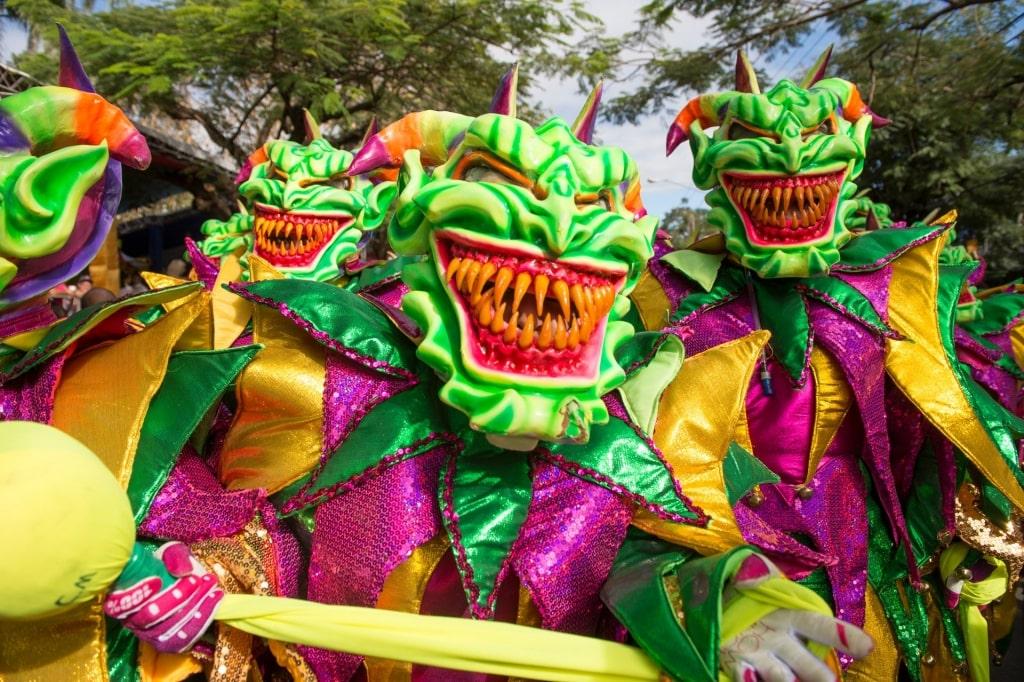
The Caribbean is a tapestry woven with vibrant traditions that embody the essence of existence, celebrating key milestones such as birth, life, and death with dazzling flair. Each island showcases its unique approach, infusing traditional rites with modern touches, making every festival a true reflection of community spirit. Significant events, like Carnival, J’ouvert, and Day of the Dead, highlight the region’s rich cultural syncretism, where African, Indigenous, and European influences converge in a spectacular display of music, dance, and costume. Participants immerse themselves in the kaleidoscope of colors and sounds, ultimately transforming these gatherings into profound expressions of joy and remembrance.
Among these celebrations, the rituals surrounding life events are particularly poignant, as they reinforce communal bonds and honor heritage. Take, for example, the nine-night wake observed in Jamaican culture. This event serves as both a memorial and a celebration, encompassing several nights of music, storytelling, and feasting, where family and friends gather to pay homage to the departed. Key elements that define such celebrations include:
- Community Participation: Everyone contributes to the celebrations through food, music, or stories.
- Cultural Performances: Traditional dance and music play essential roles in connecting the past with the present.
- Ritual Offerings: Ceremonial contributions highlight the respect paid to ancestors and those who have transitioned.
Understanding Death Rituals and Their Significance in the Caribbean
In the Caribbean, death rituals serve as profound expressions of cultural identity and communal solidarity. These rituals are not merely somber occasions but vibrant celebrations of life that connect the living with their ancestors. Practices can vary widely across the many islands, reflecting the unique heritage of diverse ethnic groups, including African, Taíno, European, and Asian influences. Common elements often include music, dance, and food, which invite participation from family and friends, allowing communities to grieve collectively while honoring the deceased. Key components of these rituals may include:
- Wakes: Nighttime vigils that allow for storytelling and reminiscing.
- Funeral Processions: Joyful remembrances filled with music, often accompanied by elaborate parades.
- Burial Practices: Customary rites often feature colorful clothing and meaningful symbols that resonate with cultural beliefs.
Significantly, rituals surrounding death often include vibrant practices like the Jamaican “nine night” or the Trinidadian *Dumpling Day*, both which emphasize community involvement and the celebration of the deceased’s life. Rituals also often embody a sense of continuity and transcendence, as they are believed to facilitate a connection between the physical and spiritual worlds. Families might create altars adorned with photographs, candles, and personal belongings of the departed, allowing loved ones to remember them vividly. The below table illustrates some common rituals and their meanings, showcasing how they reflect values of reverence and remembrance in Caribbean culture.
| Ritual | Meaning |
|---|---|
| Nine Night | A communal celebration honoring the deceased with music, singing, and storytelling. |
| Dumpling Day | A day of sharing food, signifying the bond between the living and the dead. |
| Homecoming | A ritual where family members return to the ancestral home to reconnect with roots. |
Embracing Tradition: How to Incorporate Caribbean Customs into Modern Life
Incorporating Caribbean customs into our modern lives enhances not only our personal experiences but also fosters a sense of community and connection to our roots. Celebrating life milestones such as births, weddings, and deaths can become deeply meaningful when traditional practices are integrated into contemporary settings. For instance, you might consider hosting a Jamaican-style baby shower featuring traditional foods like jerk chicken and festival, alongside lively reggae music to set the atmosphere. Alternatively, during weddings, adding elements like a carnival-inspired costume reveal can infuse joy and vibrancy into the ceremony, allowing the couple to showcase their heritage while engaging modern sensibilities.
Honoring loved ones who have passed is equally vital in maintaining a connection to our traditions. Organize a Nine Night vigil to celebrate the life of the deceased, where family and friends gather to share memories and stories, accompanied by traditional dishes such as rice and peas and sweet potato pudding. Incorporating these customs allows for communal healing and remembrance. Balancing traditional practices with modern elements can be done harmoniously, leading to unique celebrations that honor the past while embracing the present. Here are some additional ways to blend tradition with modernity:
- Cooking traditional recipes during family gatherings.
- Learning cultural dances and sharing them with friends.
- Using traditional crafts in home décor.
- Hosting storytelling nights to pass on folklore.
The Way Forward
As we explore the rich tapestry of Caribbean traditions surrounding birth, life, and death, it becomes clear that these customs are not merely rituals but vital expressions of identity, community, and continuity. From joyous celebrations of new beginnings to solemn remembrances of those who have passed, these practices weave together the diverse influences that have shaped the region’s cultural landscape.
Whether it’s the vibrant festivities of a child’s naming ceremony or the poignant tributes paid at a funeral, each tradition carries with it the weight of history, heritage, and personal significance. They invite us to honor our roots while also offering a space for reflection and connection among family and friends.
In celebrating these profound life milestones, we gain insight into the values and beliefs that form the bedrock of Caribbean society. As we move forward, may we continue to respect and appreciate these traditions, ensuring they live on in the hearts and minds of generations to come. Thank you for joining us on this journey through the multifaceted aspects of life in the Caribbean. We hope it has inspired you to embrace and celebrate the traditions that connect us all, no matter where we are in the world.