


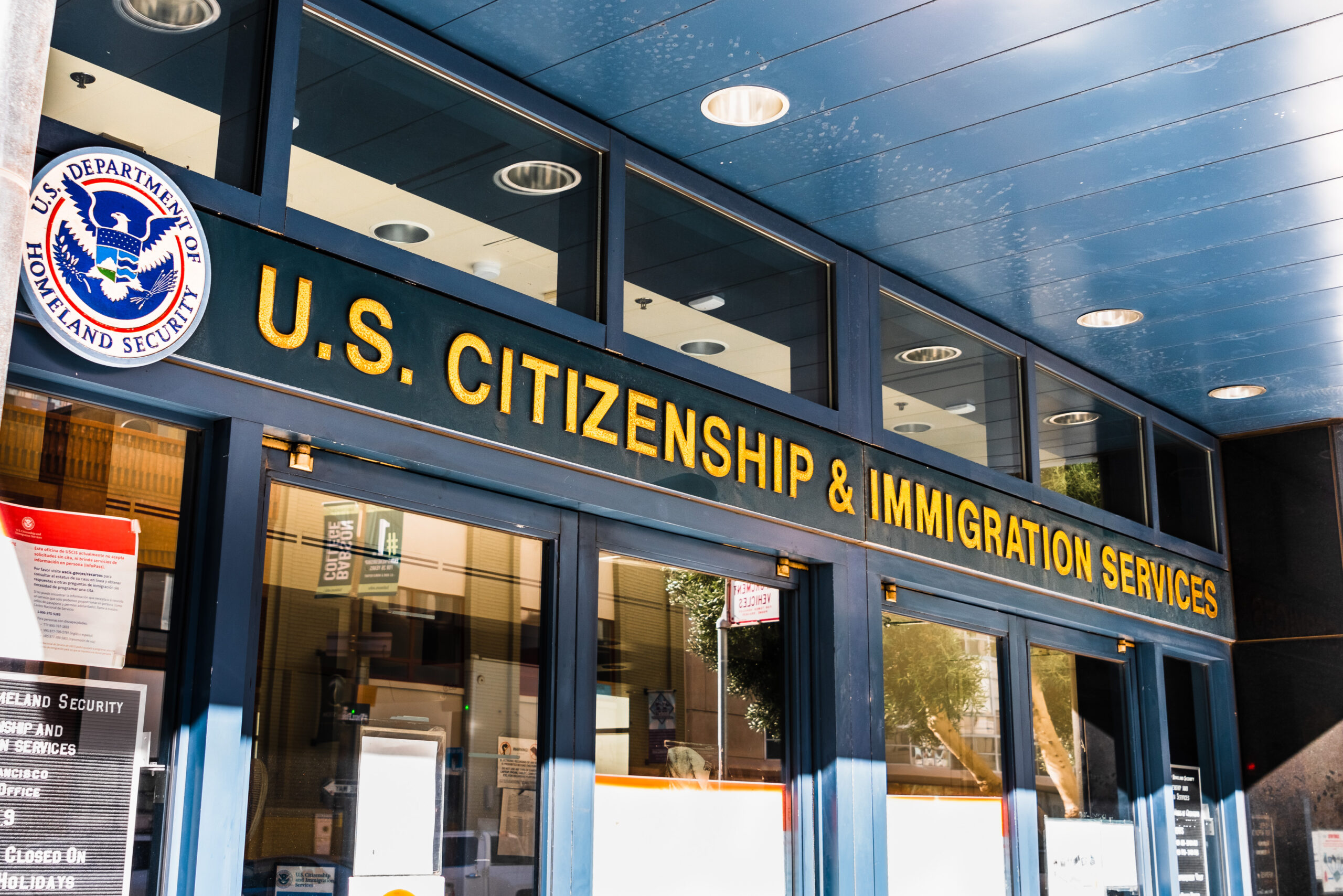
The US State Department announced on 14 Jan. that immigrant visa processing would be suspended for 75 countries including many in the Caribbean. The suspension will not apply for non-immigrant visas, such as tourist, business or student visas.
With the exception of the Dominican Republic and Trinidad and Tobago, all independent Caribbean island countries were included in the freeze, which will take effect on 21 Jan. The Cayman Islands, like other British Overseas Territories, was not on the list, which was comprised of those nations whose citizens were deemed most likely to require public assistance in the US.
US remittances are key for the region
Approximately 5.7 million Caribbean nationals currently live in the US, with many sending money back home. The freeze won’t stop Caribbean people already working in the US from sending money back home. Yet it will limit the expansion of what had been a fast-growing export revenue earner for the nations on the list.
A recent Inter-American Development Bank paper, ‘Remittances to Latin America and the Caribbean in 2025’, shows that remittances to the Caribbean have doubled over the last decade, to reach almost US$21 billion in 2025.
“In 2025, Caribbean countries also recorded significant growth rates in remittances received,” said report author René Maldonado.
Remittances are particularly important for small tourism-dependent economies as they offer a diversified source of income that is especially useful when natural disasters derail tourism operations.
The United States is the main source of remittances, accounting for 50.4% of the money sent back to the Caribbean. The US influence is particularly marked in Jamaica, where it accounts for 61% of the total remittances received.
Human impact
But the impact is more than economic – there is also a strong human impact, said Elaine Harris, Jamaica’s Honorary Vice-Consul in Cayman.

“It will affect Jamaican nationals, as we have Jamaican nationals who are currently in the process of filing for US immigrant visas for their family members,” said Harris.
It’s not clear why Trinidad and Tobago and the Dominican Republic were exempt from the freeze. “It could be that citizens of both countries, which happen to have strong vetting and documentation systems, fall outside the Trump administration’s ‘public charge’ provision, whereas the State Department believes they will not require public assistance or become a strain on federal resources after they enter the U.S.,” said John Sitilides, a National Security Senior Fellow, Foreign Policy Research Institute in Washington DC.
So far, it is unclear how long the freeze will last or how immigration rules might change once it ends. “The final result is difficult to predict,” said Harris.
The UK and Canada are the other countries with large Jamaican diasporas, notes Harris. Yet while Cayman has a large Jamaican population, Harris doesn’t believe Cayman will see a surge in Jamaican immigrants to the Islands.
“Many Jamaicans are here just to work for a period of time and return to Jamaica. I’m not certain whether one can say that the majority really come to Cayman to seek citizenship,” said Harris.