


The Caribbean Culture Fund has named a project in Cayman among its second cohort of grant winners, selected for their focus on the cultural impact of migration, Caribbean heritage, and the promotion of artistic partnerships across the region.
Some 20 grants have been awarded by the CCF to creatives and cultural organisations, including in Cayman, St. Lucia, Curaçao, Puerto Rico and Guadeloupe, with funding for selected projects valued at US$400,000.
The project in Cayman, awarded a US$10,000 grant, will produce a multimedia exhibition, ‘Narratives of Change: Immigration and Identification in Cayman’, with the objective of exploring different experiences of change, identification and place. The project will showcase personal stories of belonging through image and sound.
Managing the Cayman project is Denise Claux, who said this project explores “migration’s impact on Cayman and the ways individuals negotiate identities and navigate the island’s changing environment. In this context, the local and foreign, the new and old, and the past and present all become expedient categories for analysing identities as spatiotemporal manifestations of infinite and porous experiences of being and becoming.”
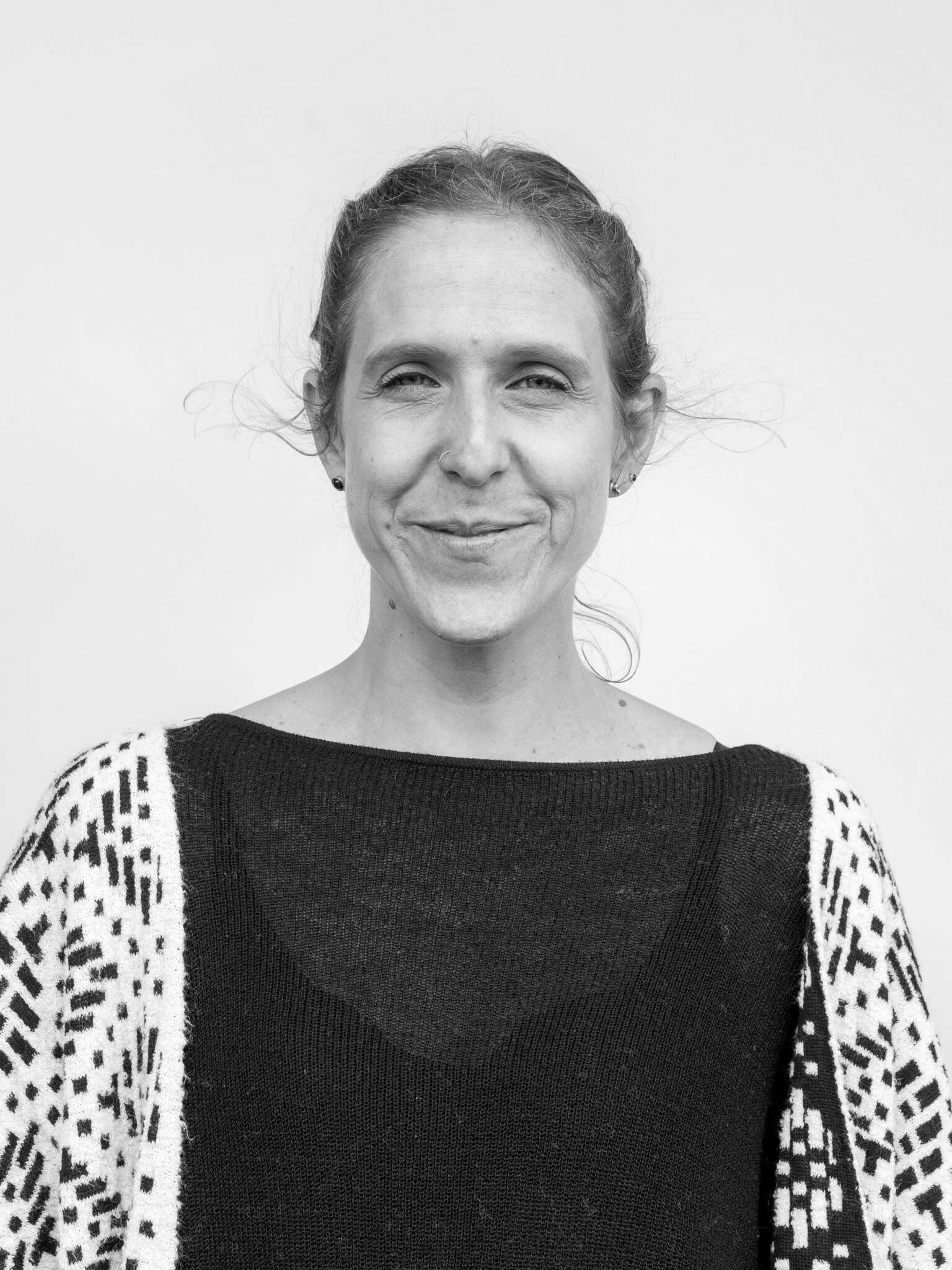
She added, “The project brings together a doctor in visual sociology, a local photographer, and a local recording artist and producer to collaborate with 15 residents of the island and produce a series of visual narratives in the form of hand-made proof sheets. The proof sheets combine images of people and places, addressing experiences of change and belonging.”
For Claux, the ‘Narratives of Change’ project has been in her mind for some time now.
“It brings an opportunity to give back to the community that has become my home for the past four years. I have been to many places in the world but never experienced anything like Cayman,” she said.
“The rapid demographic growth, constituted by a wide range of cultures, nationalities and socioeconomic groups, delineates a rich yet complex social environment. I believed that art, in this case photography and audio, offers a powerful and conducive instrument to explore, share and recognise the multiple perspectives and experiences that become available in this context.”
Claux, who holds a PhD in visual sociology, with a specialisation in Latin American area studies, food studies and qualitative experimental methodology, said, “In Cayman, we share a very small piece of land, yet that piece of land has so many different meanings and holds so many different experiences for each person living in it. Hopefully, this project will serve as a first step in a much-needed effort to engage in an open dialogue about the social, cultural, spatial and economic complexities involved in this hyper-diverse yet small, changing society.”
Along with Claux, collaborators on the project include Mikhail Campbell and Bryony Dixon.
Associate professor Christopher Williams, who will manage the overall content direction of the project, told the Compass, “As an academic who has spent the greater part of his career trying to understand the highly contested nature of Caymanian identity and culture, I was instantly drawn to this project from the moment I was asked to be a part of it.”
Williams was approached by the project manager, Claux, because of his high-profile publications on Caymanian history and culture.
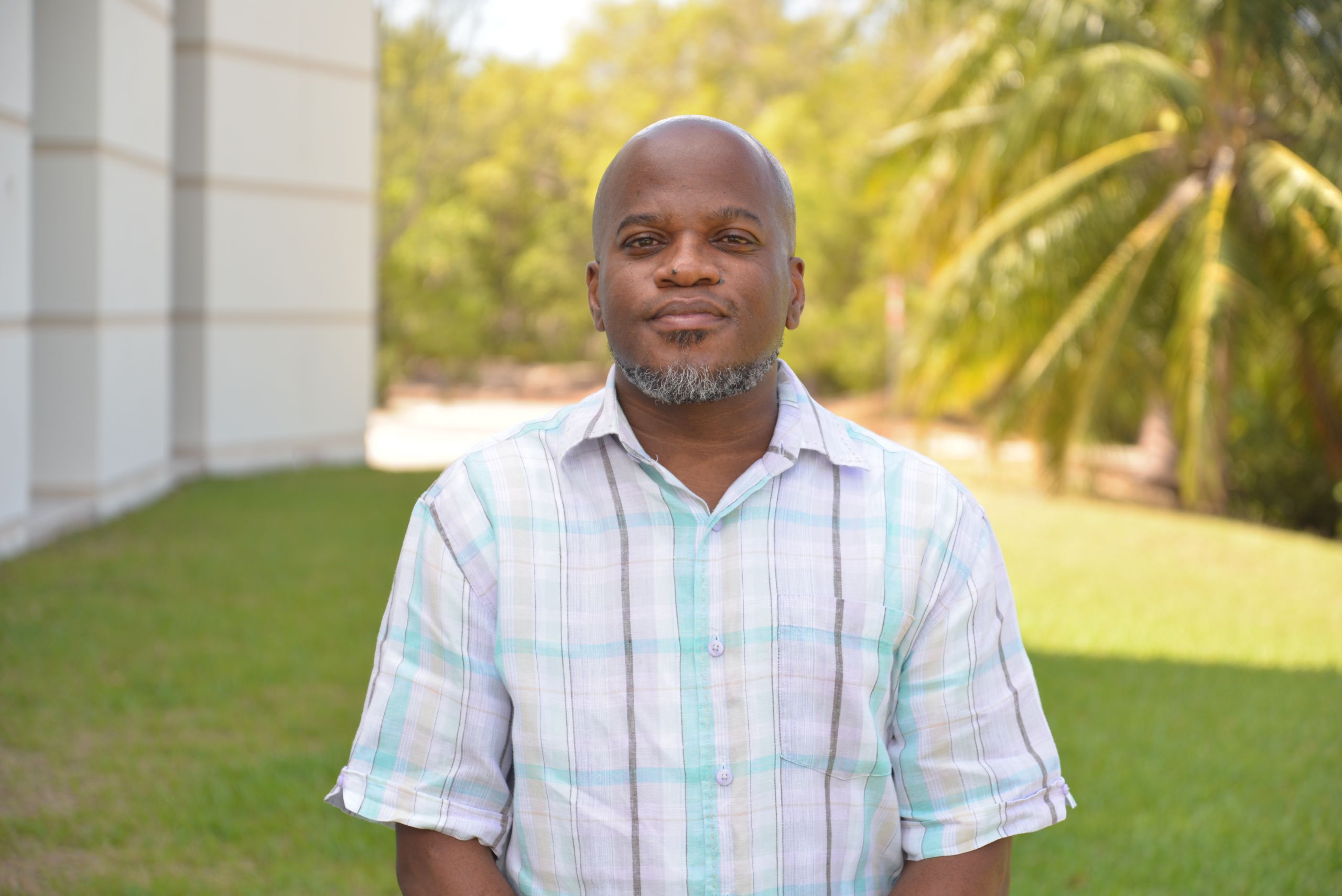
He said, “It was also reassuring to know that there is a Caribbean Cultural Fund available for the exploration of what I consider to be the social realities and inevitabilities generated by culture in its various conceptualisations, all of which further implicates how culture is understood and practiced, all while foregrounding the sustaining networks of support that enable our discrete-yet-interrelated cultures as they operate and interact in distinctly Caribbean spaces.”
Williams added, “I think that it is important in a small multicultural jurisdiction like Cayman’s to allow ‘breathing room’ for the juxtaposition of personal narratives of belonging in a neutral context, free from the usual constraints and restraints of conflicting, duelling opinions and ostensibly intractable positions. To this end, we are eager to capture the multidimensional, multi-sensory stories, as it were, of anyone legally resident in Cayman.”
He said he can’t wait to see the end result of this endeavour, which will be presented as a visual exhibition.
“I would go so far as to describe this project as a refreshing postmodern pastiche in which every participant’s truth of experience is centred and privileged,” he said.
To assist in the production, the project team is putting a call out for participation. Anyone interested is encouraged to email [email protected].