


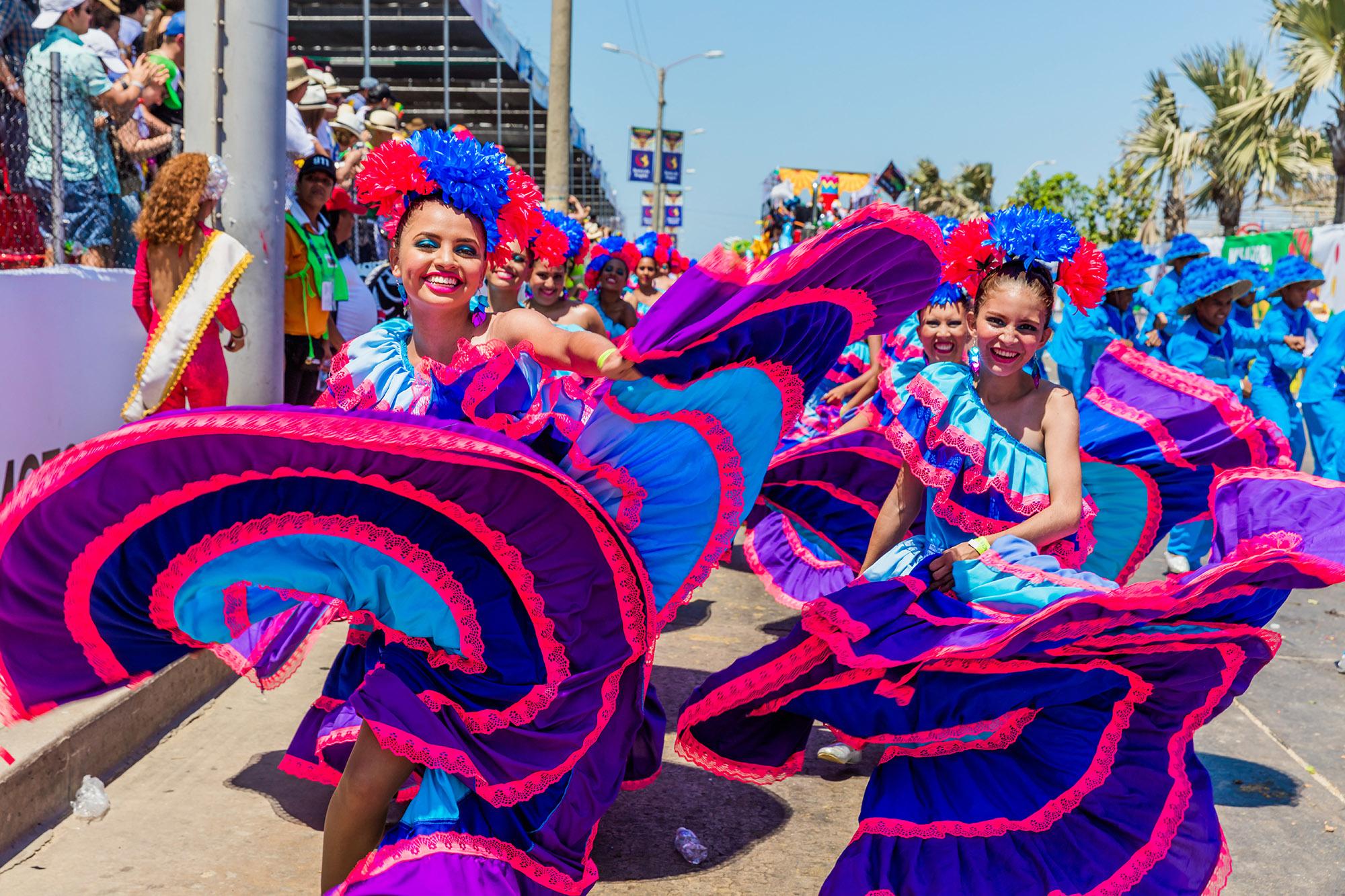
In the heart of the Caribbean, vibrant traditions come alive as communities gather to honor their rich heritage through food and dance. Across the islands, festivals celebrating Caribbean culture have emerged as vital expressions of identity, resilience, and creativity. From the rhythmic beats of soca and reggae to the tantalizing flavors of jerk chicken and callaloo, these events not only showcase the region’s artistic talents but also foster a sense of unity among diverse populations. As the world seeks to embrace cultural exchange and understanding, Caribbean food and dance festivals stand out as invaluable opportunities for celebration and connection, inviting participants and visitors alike to partake in the essence of island life. This article delves into the significance of these festivals, highlighting their role in preserving traditions while adapting to modern influences, and exploring how they serve as a platform for community engagement and tourism.
Table of Contents
- Celebrating the Rich Culinary Diversity of the Caribbean
- Exploring the Vibrant Dance Traditions of the Islands
- Engaging Communities through Festivals: A Cultural Connection
- Recommendations for Experiencing Caribbean Festivals Virtually and Locally
- In Conclusion
Celebrating the Rich Culinary Diversity of the Caribbean
The Caribbean is a vibrant tapestry of cultures, each contributing unique flavors and traditions that tantalize the senses. From the fiery spices of Jamaica to the delicate sweetness of Trinidadian dishes, the culinary scene is a reflection of its diverse heritage. Festivals showcasing this rich culinary landscape bring communities together, allowing locals and visitors to celebrate their shared love of food. Popular events often include:
- Food Tastings: Sample a myriad of traditional dishes, from jerk chicken to callaloo.
- Cooking Demonstrations: Watch renowned chefs showcase their skills and share secrets behind iconic recipes.
- Street Food Markets: Experience authentic flavors in a lively atmosphere filled with local vendors.
One of the highlights of these celebrations is the opportunity to learn about the ingredients that define Caribbean cuisine. Not only do these festivals serve incredible food, but they also educate attendees on sourcing local produce, sustainable fishing, and the cultural significance of various dishes. Here’s a quick overview of some renowned festival dishes:
| Dishes | Country of Origin | Main Ingredients |
|---|---|---|
| Jerk Chicken | Jamaica | Chicken, pimento, scotch bonnet peppers |
| Pate | Haiti | Pastry, meat, spices |
| Pelau | Trinidad | Rice, peas, chicken, coconut |
Exploring the Vibrant Dance Traditions of the Islands
The Caribbean is a treasure trove of vibrant dance traditions that celebrate the islands’ rich cultural heritage. From the syncopated rhythms of salsa to the lively beats of calypso and the energetic movements of zouk, each dance tells a unique story reflective of the islands’ history and diversity. These dance forms are often showcased during food and dance festivals, where locals and visitors alike come together to experience the joyous spirit of the Caribbean. Notable festivals include:
- Carnival in Trinidad and Tobago: A colorful parade filled with extravagant costumes and infectious energy.
- Jouvert in St. Lucia: Celebrated with mud and paint, this early-morning street party is an exhilarating start to carnival festivities.
- Reggae Sumfest in Jamaica: While primarily a music festival, it also features numerous dance events that keep the spirit of reggae alive.
In addition, cultural dance forms like the traditional Bélé from Martinique and the rhythmic Pantomime from Guyana serve as a reminder of the islands’ historical roots and the influences of African, European, and indigenous cultures. These performances not only entertain but also educate audiences about the significance of each dance in the context of Caribbean identity. Below is a glimpse of some of the dances that embody the essence of Caribbean culture:
| Dance Style | Origin | Characteristics |
|---|---|---|
| Salsa | Cuba | Fast-paced, improvisational, and partner-focused with a blend of African and Latin influences. |
| Calypso | Trinidad and Tobago | Merging storytelling with lively rhythms, often incorporating social commentary. |
| Bélé | Martinique | Performed in a circle, it highlights African heritage with dynamic drumming and participatory singing. |
Engaging Communities through Festivals: A Cultural Connection
Festivals celebrating Caribbean culture serve as vibrant platforms for communities to come together, highlighting the significance of shared traditions and collective identity. Through the rhythm of music and the aroma of traditional dishes, these events create a rich tapestry of experiences that foster cultural appreciation and understanding. Each festival showcases a unique blend of local talent, featuring:
- Live Music Performances – Artists from various genres, including calypso, reggae, and soca, ignite the atmosphere with unforgettable rhythms.
- Dance Workshops – Attendees can immerse themselves in Caribbean dance forms, learning from skilled dancers who embody the spirit of the islands.
- Culinary Experiences – Food stalls offer authentic dishes, enabling visitors to savor the diverse flavors of the Caribbean.
Moreover, by creating a space for intercultural dialogue, these festivals not only strengthen community bonds but also attract tourists eager to learn about Caribbean heritage. Local vendors, artists, and performers benefit economically while contributing to a festive environment that emphasizes inclusivity. A glance at the events reveals:
| Festival | Date | Location |
|---|---|---|
| Caribbean Food Fest | July 14-16 | Miami, FL |
| Reggae Dance Festival | August 5-7 | New York, NY |
| Soca Carnival Celebration | September 22-24 | Toronto, ON |
Recommendations for Experiencing Caribbean Festivals Virtually and Locally
Engaging with Caribbean festivals, whether online or in person, offers a vibrant glimpse into the culture’s rich traditions and joyous celebrations. For those experiencing these events virtually, consider attending live-streamed celebrations that showcase music, dance, and culinary delights straight from the Caribbean islands. Participating in online workshops can enhance your experience—learn to dance to calypso rhythms, try your hand at traditional Caribbean cooking, or even join discussions about the cultural significance of these festivals. Here are some suggestions to make the most of your virtual experience:
- Follow festival social media pages for real-time updates and insights.
- Join virtual discussion forums or community groups that celebrate Caribbean culture.
- Explore festival-themed playlists on music streaming platforms for a soulful immersion.
For those fortunate enough to celebrate locally, many cities host Caribbean festivals that bring the island culture closer to home. Immersive experiences await with authentic food stalls offering jerk chicken, rice and peas, and delectable rum cocktails. Local performances often include steel pan bands, vibrant parades, and captivating dance showcases. To enhance your festival outing, consider these tips for local engagement:
| Activity | Description |
|---|---|
| Food Tasting | Sample diverse Caribbean cuisines from local vendors. |
| Live Performances | Enjoy traditional music and dance acts that celebrate cultural heritage. |
| Craft Exhibitions | Discover handmade art and crafts celebrating Caribbean culture. |
In Conclusion
the vibrant tapestry of Caribbean culture is beautifully illustrated through its food and dance festivals, which serve as a testament to the region’s rich heritage and communal spirit. These events not only showcase the tantalizing flavors and rhythmic movements that define the Caribbean, but they also foster unity among diverse populations and visitors alike. As we celebrate these unique gatherings, it becomes evident that they play a crucial role in preserving traditions, promoting cultural exchange, and boosting local economies. The future of Caribbean festivals looks promising, with increased recognition and participation, ensuring that the spirit of the islands continues to thrive and inspire generations to come. Through these jubilant celebrations, we are reminded of the power of culture to connect us all, transcending borders and bringing people together in joyous appreciation of our shared humanity.