


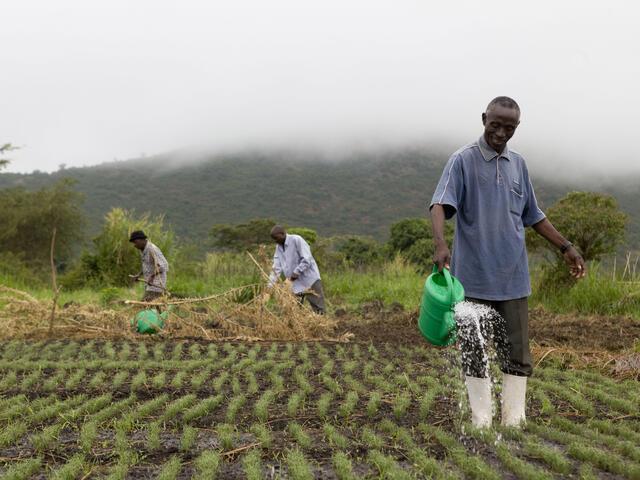
In an era where climate change and environmental degradation pose significant threats to food security and rural economies, championing sustainable agriculture emerges as a crucial pathway to fostering regional resilience. This blog dives into the multifaceted approaches of sustainable farming practices that not only prioritize ecological balance but also enhance the livelihoods of local communities. By integrating innovative techniques with traditional knowledge, regions can cultivate a more resilient agricultural framework that withstands the challenges of an ever-changing climate. Join us as we explore the transformative potential of sustainable agriculture and its essential role in shaping a prosperous and environmentally conscious future for our communities. Together, we can sow the seeds of change and nurture a thriving ecosystem that benefits both producers and consumers alike.
Table of Contents
- Understanding the Principles of Sustainable Agriculture for Regional Growth
- Innovative Practices to Enhance Soil Health and Biodiversity
- Building Stronger Local Economies Through Sustainable Farming Initiatives
- Policy Recommendations for Supporting Sustainable Agricultural Development
- Insights and Conclusions
Understanding the Principles of Sustainable Agriculture for Regional Growth
Sustainable agriculture is rooted in a holistic approach that emphasizes eco-friendly practices while addressing the economic and social dimensions of farming. By focusing on local resources and promoting biodiversity, sustainable agriculture can help bolster regional economies. Key principles include:
- Soil Health: Practices like cover cropping and crop rotation enhance soil fertility.
- Water Management: Efficient irrigation techniques reduce water wastage and protect local waterways.
- Diverse Cropping Systems: Integrating various crops minimizes pest pressure and enhances resilience to climate fluctuations.
- Community Engagement: Involving local communities ensures that farming practices align with regional needs and values.
Furthermore, sustainable agriculture supports the development of resilient local economies by encouraging the use of renewable resources and reducing dependence on industrial inputs. The implementation of practices such as agroforestry and permaculture creates synergies that not only enhance productivity but also protect the region’s ecosystems. The following table illustrates some benefits tied to sustainable agriculture:
| Benefit | Description |
|---|---|
| Increased Biodiversity | Promotes a varied ecosystem that enhances resilience to pests and diseases. |
| Climate Resilience | Farming practices that adapt to changing climate conditions. |
| Local Food Systems | Strengthens local economies by reducing dependency on imports. |
| Soil Conservation | Prevents soil erosion and promotes carbon sequestration. |
Innovative Practices to Enhance Soil Health and Biodiversity
Soil health and biodiversity are interlinked pillars in the quest for sustainable agriculture. One innovative practice is the implementation of cover cropping, where farmers plant specific crops during the off-season to prevent soil erosion, improve nutrient cycling, and enhance microbial diversity. This approach not only protects the soil but also serves as a habitat for various organisms, ultimately fostering a more resilient ecosystem. Additionally, crop rotation has shown to reduce pest and disease pressures while improving soil structure and fertility, creating a more balanced agro-ecosystem.
Another promising technique is the integration of permaculture principles, which emphasize the design of agricultural systems that mimic natural ecosystems. By establishing polycultures—growing multiple species of plants together—farmers can enhance biodiversity and soil health while maximizing yields. Also, practicing no-till farming significantly minimizes soil disturbance, allowing for improved water retention and the preservation of beneficial organisms within the soil. The following table illustrates some of these practices and their benefits:
| Practice | Benefits |
|---|---|
| Cover Cropping | Prevents erosion, enriches soil nutrients, increases biodiversity |
| Crop Rotation | Reduces pests/diseases, improves soil fertility, enhances structure |
| Permaculture | Mimics ecosystems, supports polycultures, enhances resilience |
| No-Till Farming | Minimizes soil disturbance, improves water retention, preserves organisms |
Building Stronger Local Economies Through Sustainable Farming Initiatives
Local economies thrive when communities invest in practices that not only enhance agricultural productivity but also respect the environment. Sustainable farming initiatives present a unique opportunity to foster economic resilience by focusing on local resources and minimizing dependency on external inputs. By implementing techniques such as crop rotation, permaculture, and organic farming practices, farmers can create self-sustaining ecosystems that enhance soil health and increase biodiversity. These methods not only produce healthier food options but also reduce transportation costs, leading to fresher produce for local consumers and increased profits for farmers.
Furthermore, the integration of sustainable agriculture into local development plans can stimulate job creation across various sectors. Strengthening connections between farmers and local businesses cultivates a robust marketplace. Benefits include:
- Employment opportunities: From on-farm positions to roles in distribution and marketing.
- Community engagement: Involving locals in community-supported agriculture (CSA) programs and farmer’s markets.
- Education and awareness: Workshops and initiatives that promote sustainable practices and healthy eating.
| Initiative | Impact |
|---|---|
| Enhanced Soil Health | Increased crop yields and resilience to pests. |
| Local Food Systems | Reduced carbon footprint and waste. |
| Agroecological Practices | Strengthened community ties and shared resources. |
Policy Recommendations for Supporting Sustainable Agricultural Development
To foster sustainable agricultural development, it is crucial to implement policies that prioritize ecological balance, economic viability, and social equity. Governments and relevant stakeholders must focus on the following strategies:
- Promotion of Agroecological Practices: Encourage farmers to adopt environmentally friendly techniques, such as crop rotation, intercropping, and organic farming, to enhance soil health and biodiversity.
- Access to Financial Resources: Provide affordable loans and grants to smallholder farmers for the purchase of sustainable tools and technologies.
- Education and Training Programs: Develop workshops and training modules that equip farmers with knowledge about sustainable practices and innovative farming techniques.
Additionally, collaboration between governments, NGOs, and the private sector can amplify the impact of sustainable practices. Key initiatives to consider include:
- Market Access Initiatives: Establish networks that connect local farmers to consumers, thereby promoting local produce and fair trade.
- Research and Development Investments: Dedicate resources for research into sustainable agricultural technologies that can be adopted by local farmers.
- Community Engagement: Involve communities in decision-making processes regarding agricultural policies to ensure that the needs and perspectives of all stakeholders are addressed.
Insights and Conclusions
championing sustainable agriculture is not merely an option but a necessity for fostering regional resilience in a rapidly changing world. As we navigate the challenges posed by climate change, economic instability, and shifting consumer demands, it becomes increasingly clear that our agricultural practices must evolve to ensure both environmental health and food security. By prioritizing sustainable methods, embracing innovative technologies, and fostering community engagement, we can build a robust agricultural system that supports not only farmers but also consumers and ecosystems alike.
The journey towards sustainable agriculture requires collaboration and commitment from all stakeholders, including policymakers, industry leaders, and consumers. Together, we can drive meaningful change that enhances soil health, conserves water, and reduces carbon footprints while promoting local economies.
As we move forward, let us remain steadfast in our dedication to championing practices that will not only sustain our farms but also ensure a vibrant and resilient future for our communities. By investing in sustainability today, we are sowing the seeds for a healthier planet and a more secure food system tomorrow. Join us as we embark on this important journey—together, we can cultivate a better future for generations to come.