


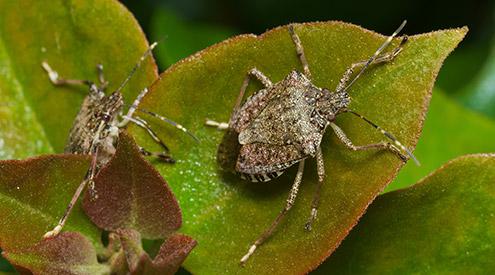
Welcome to a deep dive into one of the most pressing environmental challenges facing the Caribbean today: invasive species. This vibrant region, celebrated for its stunning biodiversity and unique ecosystems, is not only a paradise for tourists and nature enthusiasts; it also serves as a vital home to countless native species. However, the delicate balance of life in the Caribbean is increasingly threatened by non-native organisms that, once introduced, can wreak havoc on local habitats. From aquatic invaders that disrupt coral reefs to terrestrial species that outcompete native flora and fauna, the implications of this issue extend beyond ecological concerns to involve economic, cultural, and social dimensions. In this article, we will explore the multifaceted challenge of invasive species in the Caribbean, examine the efforts being undertaken for their management and control, and highlight the importance of engaging local communities in conservation efforts. Join us as we confront the complex realities of this conservation challenge and consider the vital role we all play in preserving the Caribbean’s rich natural heritage.
Table of Contents
- Understanding the Threat: The Impact of Invasive Species on Caribbean Ecosystems
- Strategies for Eradication: Successful Case Studies from the Region
- Community Involvement: Engaging Local Populations in Conservation Efforts
- Policy and Advocacy: Strengthening Legal Frameworks for Biodiversity Protection
- Key Takeaways
Understanding the Threat: The Impact of Invasive Species on Caribbean Ecosystems
Invasive species pose a significant threat to the delicate balance of Caribbean ecosystems, undermining biodiversity and threatening native species. These non-native organisms can outcompete indigenous flora and fauna for resources, leading to dramatic shifts in ecosystem dynamics. The biodiversity loss caused by invasive species can result in cascading effects on food webs, making it challenging for native species to survive. Notable examples include:
- Green Iguanas disrupting local vegetation and nesting birds.
- Coconut Rhinoceros Beetle damaging palm trees essential to many island economies.
- Lionfish preying on native fish and altering reef structures.
Understanding the mechanisms through which invasive species establish themselves is crucial for effective management strategies. An increase in tourism, global trade, and climate change can facilitate the spread of these organisms, making prevention and monitoring paramount. Table 1 below highlights some common invasive species in the Caribbean and their direct impacts on local ecosystems:
| Invasive Species | Impact on Ecosystem |
|---|---|
| Green Iguana | Overgrazing of native plants |
| Lionfish | Reduction in native fish populations |
| Coconut Rhinoceros Beetle | Destruction of coconut palms |
Strategies for Eradication: Successful Case Studies from the Region
In the Caribbean, innovative strategies have successfully tackled the pressing challenge of invasive species, often resulting in remarkable ecological recoveries. One standout case is the restoration of the Lesser Antillean iguana on several islands, where targeted removal programs for introduced predators and invasive plants have revitalized local populations. Collaborative efforts among local governments, NGOs, and community volunteers have implemented habitat conservation and breeding initiatives, which have proven critical in replenishing their numbers. By focusing on ecosystem management, these combined actions have fostered a more resilient environment capable of supporting native wildlife.
Another significant success story comes from the eradication of the mongoose on specific islands, where a structured, multi-phase approach has been key. This strategy included:
- Public Education: Raising awareness about the impact of invasive species through seminars and campaigns.
- Monitoring: Regular surveys to track mongoose populations and their effects on local fauna.
- Trapping and Relocation: Implementing humane traps to capture and relocate mongooses to controlled environments.
The results have been significant, with native bird populations, such as the critically endangered Pearly-eyed Thrasher, experiencing population rebounds, demonstrating the power of informed conservation actions.
Community Involvement: Engaging Local Populations in Conservation Efforts
Engaging local populations is pivotal in the battle against invasive species in the Caribbean. By fostering a sense of ownership and responsibility for the surrounding environment, communities can play a crucial role in conservation efforts. Partnerships with local organizations, schools, and indigenous groups are essential to develop strategies that resonate with the community ethos. Educational programs focusing on the dangers of invasive species and ways to combat them can empower individuals, creating a united front to protect biodiversity.
Additionally, implementing community-led initiatives such as clean-up drives, habitat restoration projects, and invasive species monitoring can yield significant results. By offering incentives for participation, such as volunteer days with local rewards, communities become more invested in the outcome. Here are some impactful strategies for involving local populations in conservation efforts:
- Workshops and Training: Teaching about the identification and management of invasive species.
- Community Competitions: Encouraging friendly challenges to remove invasive plants or report sightings.
- Social Media Campaigns: Engaging younger generations through platforms they frequent to spread awareness.
Policy and Advocacy: Strengthening Legal Frameworks for Biodiversity Protection
- Strict regulations on imports: Implementing rigorous assessments for species being introduced to the region.
- Public awareness campaigns: Educating the public about the impacts of invasive species.
- Monitoring and Rapid Response Teams: Establishing dedicated groups to pinpoint and manage invasive species outbreaks.
| Action | Description |
|---|---|
| Research Funding | Allocating resources for scientific research on invasive species effects and behaviors. |
| Stakeholder Engagement | Involving local communities, NGOs, and businesses in decision-making processes. |
Key Takeaways
As we wrap up our exploration of invasive species in the Caribbean, it’s clear that confronting this ecological challenge is not merely an environmental concern—it’s a matter of cultural preservation, economic stability, and the overall health of our ecosystems. The vibrant biodiversity that characterizes our islands is under threat, but there’s hope.
From grassroots initiatives to international collaborations, the commitment to combat invasive species is growing. Each small action, whether it’s participating in local clean-up efforts, supporting conservation organizations, or advocating for sustainable practices, contributes to a larger movement aimed at preserving our unique natural heritage.
In the face of this challenge, awareness and education are our most potent tools. By staying informed and actively participating in conservation efforts, we can protect the Caribbean’s exquisite landscapes and rich biodiversity for future generations. Together, we can ensure that our islands flourish, not just for us, but for the myriad of species that call them home.
Let’s remain vigilant and dedicated in our efforts, because when we confront invasive species, we are ultimately protecting the extraordinary beauty and diversity that make the Caribbean a paradise worth saving. Thank you for joining us in this vital conversation—let’s continue to make a difference!