


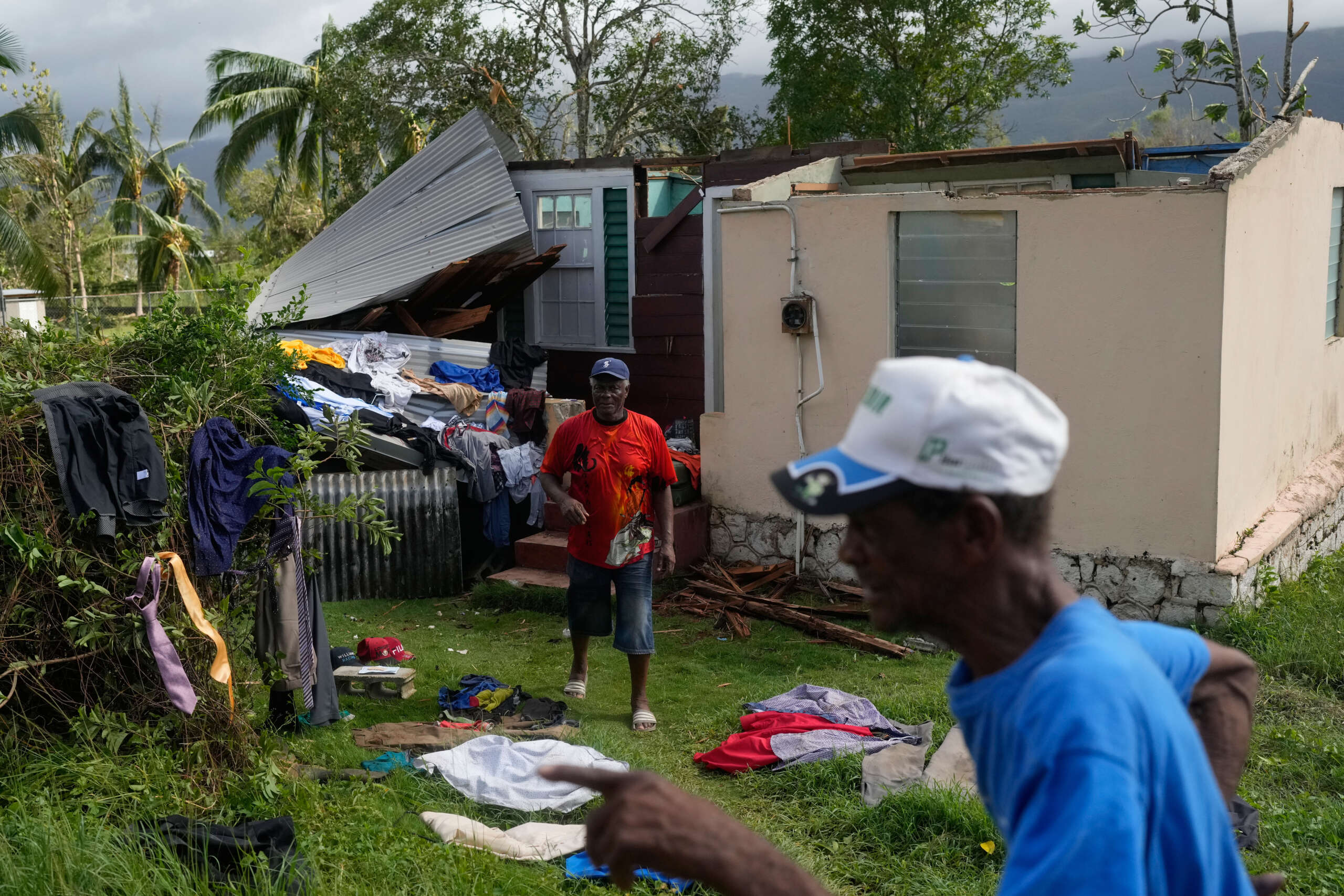
Hurricane Melissa caused US$6-US$7 billion of damage to Jamaica, said Jamaica’s prime minister Andrew Holness, equivalent to around 28-32% of the national GDP.
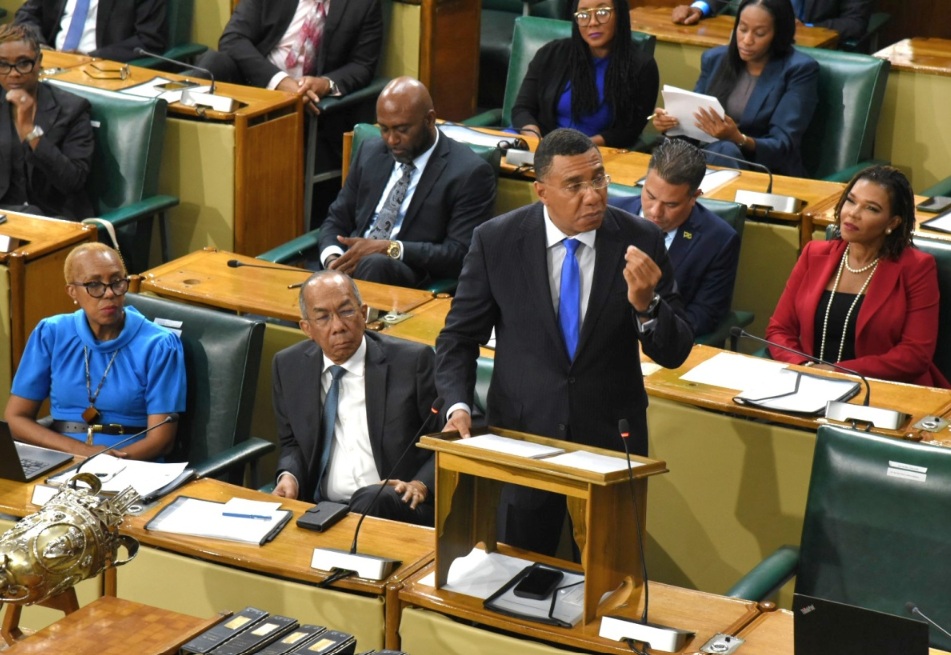
In a statement to Jamaica’s House of Representatives, Holness said that the hurricane would have a profound economic impact on the country, having significantly damaged and disrupted the tourism and agriculture sectors, roads, housing and other critical infrastructure.
Economic impact
“I want the country to appreciate that we have never had a disaster of this magnitude with this economic footprint in terms of the impact – not Gilbert, not Ivan,” Holness said.
“All of those were relatively small to our GDP. To lose 30 per cent of your GDP is significant,” he said.
Holness added that he expected a temporary slowdown in the agriculture, tourism, retail and manufacturing industries, particularly in the most affected areas, with many businesses needing help to rebuild inventories, repair facilities and restart operations.
He said that supply chains for food, construction materials and consumer goods are being restored, though some market disruption may occur in the immediate weeks ahead.
“A very preliminary estimate suggests that short-term economic output could decline by eight to 13 per cent,” the Prime Minister told the House. “This means that revenues will decline as economic activities slow, even as expenditure must increase to finance emergency relief, recovery, and reconstruction. This will place pressure on our fiscal targets.”
Fiscal management
“We anticipate a rise in the debt-to-GDP ratio in the short to medium-term as resources are channeled into rebuilding and resilience,” he said. “Yet, Jamaica’s record of disciplined fiscal management provides the credibility and space to respond decisively. The sacrifices that we have made and how this government would have administered our fiscal affairs would have put us in the best position that this country would have ever been to respond to a disaster.”
Noting that 40 per cent of the island has been impacted from an economic perspective, the Prime Minister said it means that “the other 60 per cent of the island must double our economic output.”
He said that restoring economic activity must proceed alongside relief and restoration efforts.
“This is not insensitivity, it is necessity. Reviving production, reopening tourism and restarting commerce are essential to restore incomes, rebuild confidence and mitigate the wider economic shock. Recovery is not just about clearing debris; it is about getting Jamaicans back to work and our economy back on its feet,” he said.