


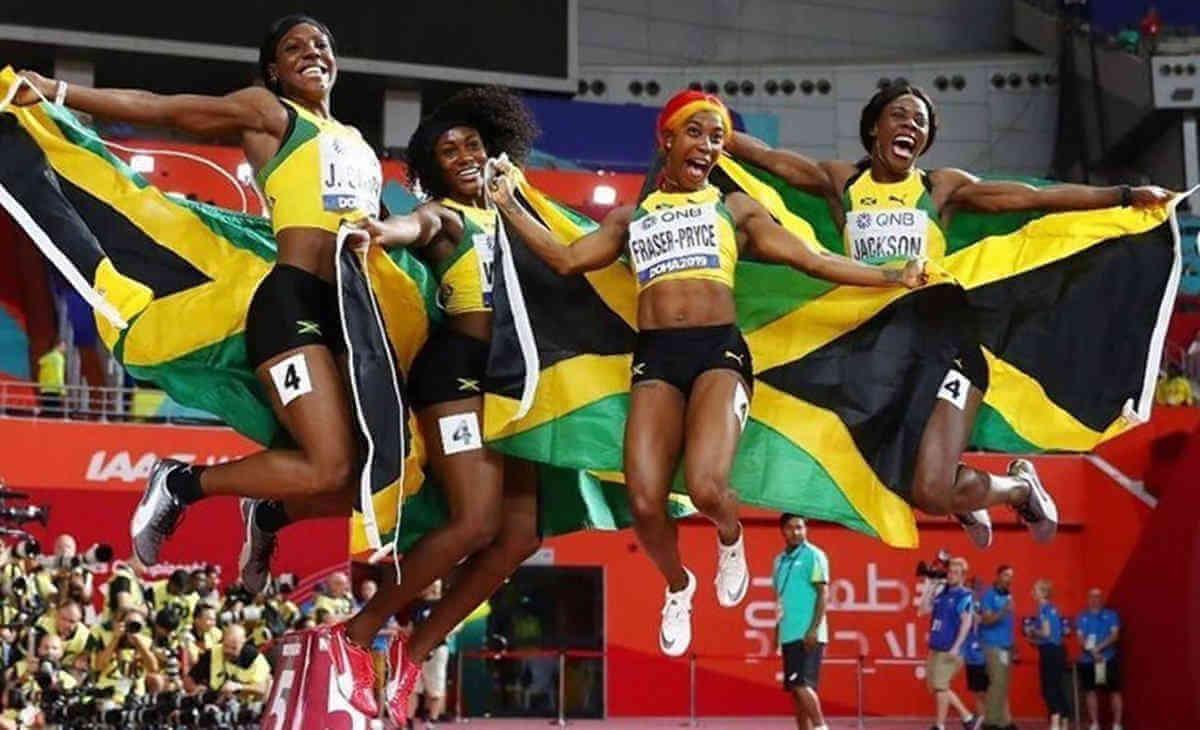
As the vibrant tapestry of Caribbean culture continues to flourish, so does the significance of sports within the region. From the electrifying atmosphere of cricket matches in the West Indies to the fervor of track and field events that draw athletes from across the globe, the Caribbean is a fertile ground for athletic talent and competition. However, the role of journalists and media in shaping the narrative surrounding Caribbean sports cannot be overstated. In an era defined by rapid technological advancements and shifting audience dynamics, sports journalists serve as critical conduits, not only reporting on events but also amplifying the voices of athletes and fostering community connections. This article explores the essential contributions of journalists and media in covering Caribbean sports, examining the challenges they face, the impact of their work, and the evolving landscape of sports journalism in a region rich with talent and passion.
Table of Contents
- Understanding the Landscape of Caribbean Sports Reporting
- The Impact of Social Media on Sports Journalism in the Caribbean
- Challenges Faced by Journalists Covering Caribbean Athletes
- Strategies for Enhancing Sports Coverage and Audience Engagement
- Concluding Remarks
Understanding the Landscape of Caribbean Sports Reporting
The Caribbean sports landscape is diverse and vibrant, reflecting the unique culture, traditions, and passions of the region. Journalists and media outlets play a crucial role in capturing this dynamism, helping to bridge the gap between local athletes and the global sports community. Coverage encompasses a range of sports, from cricket and football to track and field, highlighting not only the competitions themselves but also the societal impact of these events. Key factors influencing sports reporting in the Caribbean include:
- Regional Identity: Sports serve as a unifying force that fosters a sense of pride and belonging within Caribbean nations.
- Media Accessibility: The rise of digital platforms allows for broader dissemination of sports news, reaching audiences beyond borders.
- Financial Challenges: Limited resources often affect the depth and quality of reporting, compelling journalists to innovate and adapt.
In addition to traditional media outlets, social media platforms have transformed how sports stories are told and engaged with. Journalists now employ storytelling techniques to create compelling narratives that resonate with fans both locally and internationally. This evolution is paving the way for talented sports reporters to rise to prominence while drawing attention to underrepresented sports. Some of the emerging trends in Caribbean sports journalism include:
| Trend | Description |
|---|---|
| Live Streaming | Increased focus on broadcasting local sports events live online, engaging real-time audiences. |
| Investigative Reporting | More in-depth coverage addressing issues like corruption and development in sports. |
| Community Engagement | Initiatives involving local communities to promote sports participation and development. |
The Impact of Social Media on Sports Journalism in the Caribbean
The advent of social media has fundamentally transformed the landscape of sports journalism across the Caribbean, enabling journalists to disseminate information more rapidly than ever before. Platforms like Twitter, Facebook, and Instagram have become essential tools for reporters, allowing them to share updates in real-time and engage directly with fans and athletes. This immediacy often leads to a more vibrant storytelling environment where passionate discussions can thrive, as journalists can instantly post breaking news or highlight moments from games. Additionally, social media provides an avenue for journalists to reach new demographics, particularly younger audiences who consume news primarily online.
Moreover, the influence of social media extends beyond mere reporting; it has fostered a culture of citizen journalism. Fans now actively participate in the coverage of local sports events, providing unique perspectives and content through their personal accounts. This shift has resulted in a more collaborative storytelling approach, where traditional journalists often incorporate user-generated content into their reports. Furthermore, sports organizations and teams leverage social media for marketing and engagement purposes, enhancing the connection between athletes and their supporters. The dynamic integration of social media in sports journalism not only enriches the coverage but also reflects the evolving nature of how sports are consumed in the Caribbean.
Challenges Faced by Journalists Covering Caribbean Athletes
The landscape of sports journalism in the Caribbean presents a unique set of challenges that journalists must navigate when covering local athletes. Limited resources and inadequate funding for sports programs often result in a lack of access to comprehensive training facilities and equipment. As a consequence, journalists may find themselves relying on minimal information and sporadic updates, which complicates the narrative surrounding athlete performances. Moreover, language barriers and varying cultural contexts can further obscure the representation of athletes’ stories, requiring journalists to dedicate time to understanding diverse backgrounds to communicate effectively with their audiences.
Additionally, the political climate and fluctuating media regulations across Caribbean nations can hinder journalistic freedom and access to information. Journalists may encounter difficulties in obtaining official statements or interviews due to bureaucratic limitations. This can lead to a reliance on social media and informal channels, which may not always provide the most accurate or credible information. These factors create a ripple effect, impacting the effectiveness of storytelling and the overall scrutiny of Caribbean athletes. To better illustrate this, the table below highlights key challenges faced by journalists:
| Challenge | Description |
|---|---|
| Limited Resources | Inadequate funding affecting access to facilities and equipment. |
| Language Barriers | Diverse languages complicating communication with athletes. |
| Political Climate | Bureaucratic regulations that restrict media access. |
| Social Media Usage | Reliance on informal channels may lead to misinformation. |
Strategies for Enhancing Sports Coverage and Audience Engagement
To strengthen sports coverage and foster greater audience engagement, media organizations covering Caribbean sports can adopt several innovative strategies. Firstly, emphasizing local narratives can create a deeper connection between the audience and the sports community. By spotlighting not just high-profile events but also grassroots initiatives, local athletes, and underrepresented sports, media can highlight the rich tapestry of Caribbean sports culture. Additionally, utilizing interactive platforms—such as live polls during broadcasts, Q&A sessions on social media, and community voting for athlete of the week—can make audiences feel more involved and invested in the content being produced.
Furthermore, collaborating with influencers and content creators from within the Caribbean can extend reach and create a more vibrant dialogue around sports. By inviting these voices to share their insights via podcasts, videos, or social media takeovers, sports coverage can become more relatable and dynamic. Enhancing visual storytelling through multimedia content, including behind-the-scenes footage and athlete interviews, can also captivate audiences, drawing them into the experience like never before. The integration of technology, like augmented reality for live event coverage, could pique interest and elevate engagement levels significantly.
Concluding Remarks
the role of journalists and media in covering Caribbean sports is pivotal in shaping not only the narrative surrounding athletic achievements but also the cultural and social contexts of the region. As the Caribbean continues to produce world-class athletes and engage in a diverse array of sports, the responsibility of communicators to provide nuanced, ethical, and comprehensive coverage becomes ever more pressing. By addressing the unique challenges and opportunities present in this vibrant landscape, media professionals can help elevate Caribbean sports on the global stage, creating narratives that resonate with local and international audiences alike. Ultimately, their dedication to authentic storytelling and informed reporting will not only celebrate the spirit of competition but also foster a deeper appreciation for the rich tapestry of Caribbean culture. As we look to the future, it is imperative that the industry continues to adapt and innovate, ensuring that Caribbean sports receive the recognition and attention they deserve in today’s media-driven world.