


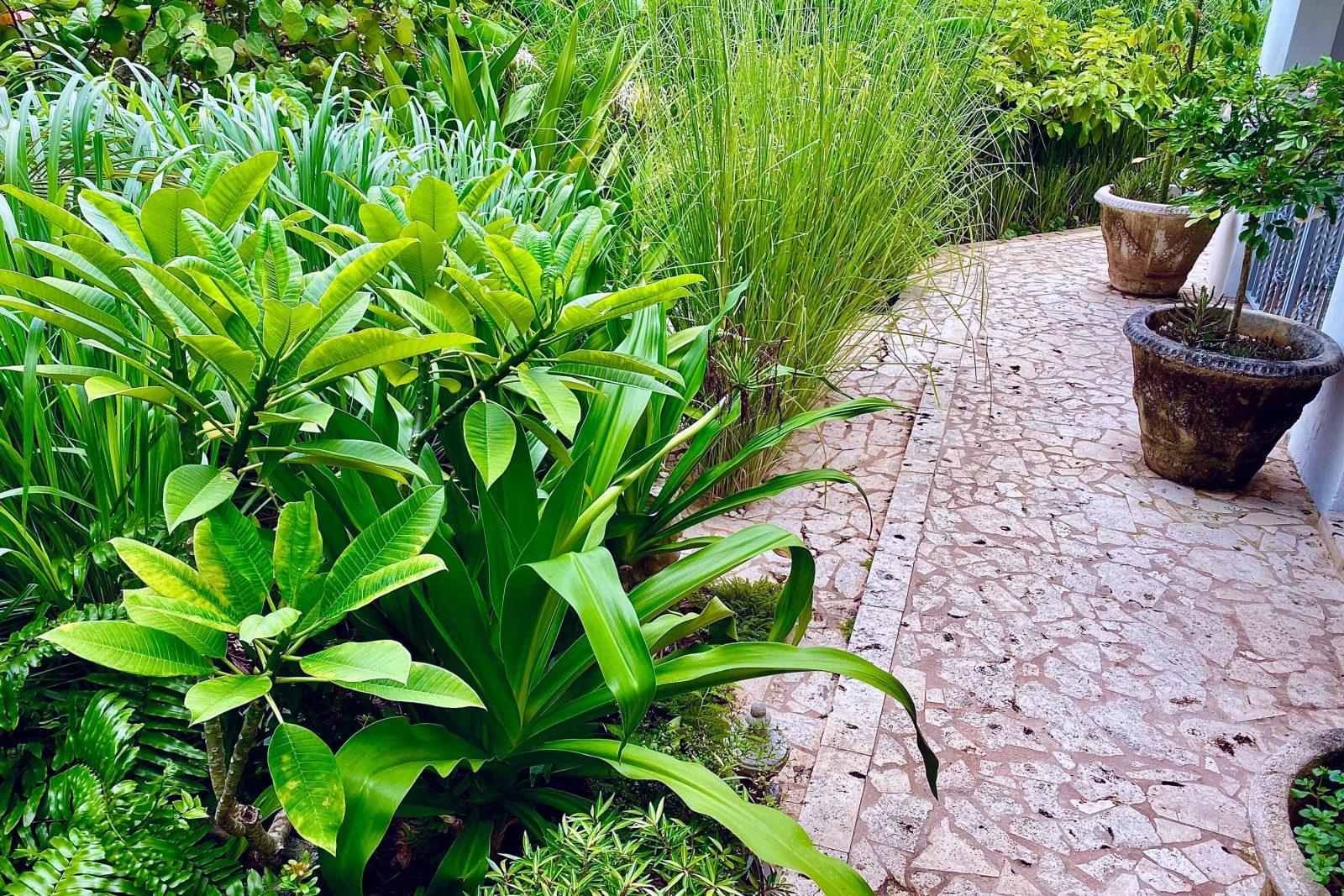
Are you dreaming of a vibrant oasis where lush greens and colorful blooms come together in perfect harmony? A Caribbean garden could be the ideal solution! With its tropical climate, the Caribbean offers a unique opportunity to cultivate a thriving garden filled with an array of fruits, vegetables, and gorgeous flowers. Whether you’re a seasoned gardener or just starting out, this article will provide you with essential tips and insights to help you design and maintain your very own Caribbean-inspired garden. From choosing the right plants to understanding soil requirements and maximizing your space, we’ll guide you through the essentials of creating a flourishing outdoor retreat that captures the spirit of the islands. So grab your gardening gloves and let’s dive into the world of Caribbean gardening!
Table of Contents
- Choosing the Right Plants for a Caribbean Climate
- Soil Preparation and Fertility for Thriving Gardens
- Watering Techniques and Irrigation Solutions
- Incorporating Colorful Blooms for Visual Appeal
- The Way Forward
Choosing the Right Plants for a Caribbean Climate
When curating a garden in the Caribbean, selecting plants that thrive in the unique climate is crucial for a flourishing landscape. Given the region’s warm temperatures and abundant sunlight, drought-tolerant and heat-resistant plants should be prioritized. Here are some excellent options to consider:
- Coconut Palm – Ideal for a tropical look and grows well in sandy soils.
- Kalamansi – A citrus tree yielding flavorful fruits, perfect for tropical conditions.
- Hibiscus – Known for its vibrant blooms that attract pollinators.
- Ti Plant – A hardy ornamental with colorful foliage.
- Sansevieria – Also known as snake plant, requires minimal water and is great indoors.
In addition to fruits and flowers, don’t overlook the potential of vegetable gardening. Many vegetables thrive in the Caribbean climate, providing fresh harvests year-round. Highlighted in the table below are some top choices for the fertile islands:
| Vegetable | Growing Notes |
|---|---|
| Okra | Heat-loving and prolific; great for soups and stews. |
| Sweet Potatoes | Drought-tolerant and versatile for sweet and savory dishes. |
| Peppers | Wide varieties; excellent for adding spice and color to meals. |
| Tomatoes | Vigorous growers; select disease-resistant varieties for best yield. |
Soil Preparation and Fertility for Thriving Gardens
To cultivate a thriving Caribbean garden, the first step is to focus on soil preparation, which plays a crucial role in supporting vibrant fruits, vegetables, and blooms. Start by testing your soil to assess its pH and nutrient levels. This will help you understand what amendments are necessary for optimal growth. Many Caribbean soils are sandy or clay-rich, so incorporating organic matter like compost or well-rotted manure can enhance soil structure and fertility. Additionally, consider mulching with natural materials such as dried leaves or coconut husks to improve moisture retention and suppress weeds.
For achieving balanced fertility, it’s essential to add fertilizers that cater to the specific needs of your plants. Use organic options like bone meal for phosphorus, kelp meal for potassium, and fish emulsion for nitrogen to promote strong root development and healthy foliage. Here’s a simple fertilization table to help guide you:
| Plant Type | Fertilizer Type | Application Frequency |
|---|---|---|
| Fruits | Organic compost | Every 6 weeks |
| Vegetables | Fish emulsion | Every 4 weeks |
| Flowers | Kelp meal | Every 8 weeks |
By nurturing your soil and maintaining proper fertility levels, you’ll set the foundation for robust growth and an abundant harvest. Emphasizing a diverse range of soil amendments and organic practices ensures that your Caribbean garden flourishes year-round, bringing the vibrancy of the tropics straight to your home.
Watering Techniques and Irrigation Solutions
In the Caribbean, where tropical sunshine and occasional heavy rains shape the growing environment, implementing effective watering techniques is vital for maintaining a vibrant garden. Drip irrigation is one of the most efficient methods, delivering water directly to the plant roots and minimizing evaporation losses. Additionally, soaker hoses, which allow water to seep slowly through porous materials, provide a gentle and consistent moisture source for fruits and vegetables. Consider employing a simple rainwater collection system, which can harness natural rainfall and reduce your dependency on municipal water sources while providing nutrient-rich water for your plants.
It’s important to monitor soil moisture levels to determine your watering schedule, adapting to seasonal weather changes. Using a soil moisture meter can help prevent overwatering or underwatering, which can be detrimental to plant health. Here are a few tips for effective irrigation:
- Water early in the morning or late in the evening to reduce evaporation.
- Mulch around plants to retain soil moisture and regulate temperature.
- Group plants with similar watering needs to streamline your irrigation process.
For larger gardens, employing a timed sprinkler system can automate watering, ensuring each plant receives adequate moisture. Maintain your system regularly to avoid clogs and leaks. Here’s a simple comparison of different irrigation methods:
| Method | Pros | Cons |
|---|---|---|
| Drip Irrigation | Water-efficient, promotes healthy roots | Initial setup cost is higher |
| Soaker Hoses | Easy to install, reduces evaporation | May clog with mineral buildup |
| Sprinkler System | Automated, covers large areas | Water waste due to evaporation and wind |
Incorporating Colorful Blooms for Visual Appeal
Infusing your Caribbean garden with vibrant hues is essential for creating a visually stunning landscape that reflects the region’s natural beauty. The secret lies in selecting an array of blooms that thrive in warm climates, providing not only color but also attracting beneficial pollinators. When planning your floral palette, consider incorporating a mix of annuals and perennials to ensure continuous blossoms throughout the seasons. Popular choices include:
- Hibiscus: Known for its large, stunning flowers.
- Bougainvillea: A drought-tolerant climber that adds splashes of color.
- Plumeria: Sweet-scented blooms often associated with tropical gardens.
- Marigolds: Bright, cheerful flowers that deter pests.
To enhance the overall design, think about structuring your garden in layers, using taller plants at the back and shorter ones in front, which allows for a more dimensional look. Pairing colorful blooms with lush foliage creates a striking contrast that draws the eye. Additionally, consider planting your flowers in clusters to create bold focal points. Here’s a simple table that showcases complementary flowers and their blooming seasons:
| Flower | Blooming Season |
|---|---|
| Hibiscus | Summer to Fall |
| Bougainvillea | Year-round |
| Plumeria | Spring to Summer |
| Marigolds | Spring to Frost |
The Way Forward
As we wrap up our journey through the delightful world of Caribbean gardens, it’s clear that creating your own vibrant oasis is not only rewarding but also a celebration of the rich agricultural tapestry of the region. With the right fruits, vegetables, and blooms, you can transform your outdoor space into a lush paradise that reflects the tropical charm and biodiversity of the Caribbean.
Remember, the key to a thriving garden lies in understanding your local climate, selecting appropriate plant varieties, and nurturing them with love and care. Embrace the colors, flavors, and fragrances that are signature to Caribbean gardening, and don’t hesitate to experiment as you find what flourishes best under your unique conditions.
Whether you’re growing succulent mangoes, fragrant herbs, or stunning hibiscus, each plant you cultivate brings you one step closer to a thriving, sustainable garden. So gather your tools, roll up your sleeves, and embark on this green adventure. Your Caribbean garden awaits, ready to enrich your life with its beauty and bounty. Happy gardening!