


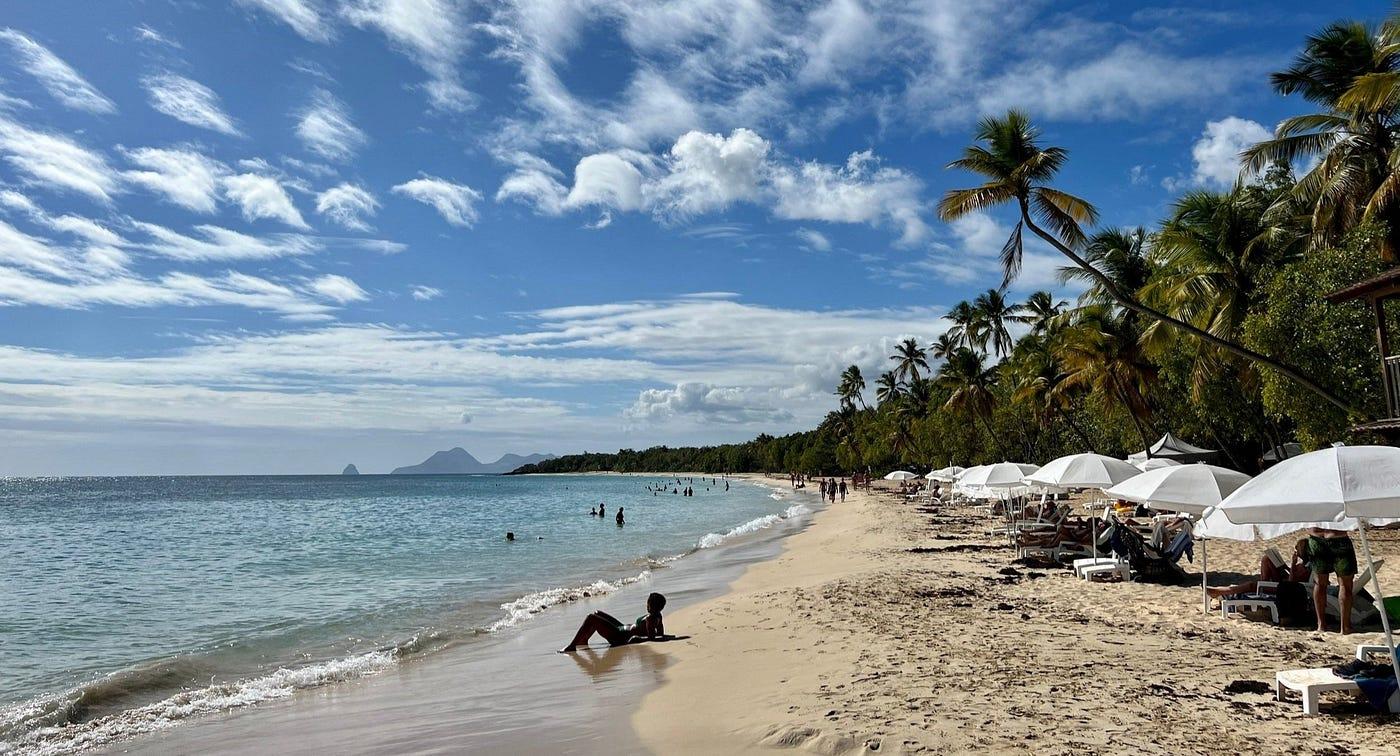
As the allure of sun-soaked beaches, vibrant cultures, and a slower pace of life entices individuals to consider relocating to the Caribbean, a myriad of myths and misconceptions often cloud the reality of expat life in this tropical paradise. From financial stability and job opportunities to cultural integration and social dynamics, the narratives surrounding Caribbean living can be as varied as the islands themselves. In this article, we aim to strip away the glamourized imaginings and highlight the tangible truths of living as an expatriate in the Caribbean. By exploring firsthand accounts and expert insights, we seek to provide a balanced perspective that informs potential expats, dispels prevalent myths, and presents a clearer picture of what it truly means to call the Caribbean home.
Table of Contents
- Understanding the Expat Experience: Dispelling Common Misconceptions
- Financial Realities: Cost of Living and Economic Considerations in the Caribbean
- Cultural Integration: Navigating Social Dynamics and Community Engagement
- Healthcare and Safety: Assessing the Risks and Resources for Caribbean Expats
- Closing Remarks
Understanding the Expat Experience: Dispelling Common Misconceptions
The notion that living as an expat in the Caribbean is all about sun-soaked beaches and endless vacations can be misleading. While it’s true that you’ll be surrounded by stunning landscapes and vibrant cultures, the reality involves challenges unique to relocating abroad. Many newcomers quickly discover that adapting to a new environment requires not just a change in scenery, but also a shift in mindset. Expats often face hurdles such as navigating visa regulations, securing stable employment, and integrating into local communities. Understanding these complexities is essential for managing expectations and finding success in this diverse region.
Moreover, the idea that the Caribbean lifestyle is one of carefree leisure can overshadow the more practical aspects of living there. Many expats find that they need to be proactive and resourceful to thrive in their new surroundings. Community networks play a crucial role; thus, many choose to engage with local organizations and forums that facilitate connections and support. Here are some key realities that highlight the expat experience:
- Language Barriers: Depending on the island, communication can be a challenge.
- Job Market Realities: Employment opportunities may be limited in certain sectors.
- Cultural Adjustment: Navigating local customs and lifestyles requires flexibility.
| Myth | Reality |
|---|---|
| Expat life is a permanent vacation | It involves work, adaptation, and social integration. |
| All Caribbean islands are the same | Each island has its own culture, language, and cost of living. |
| Expats are wealthy retirees | Many are young professionals and families seeking new opportunities. |
Financial Realities: Cost of Living and Economic Considerations in the Caribbean
The cost of living in the Caribbean can vary significantly across different islands and communities, which often leads to misconceptions about what it truly means to live there as an expat. While some assume that living in a tropical paradise comes with exorbitant prices, the reality is more nuanced. For many expats, daily expenses can be significantly lower when compared to their home countries. Factors influencing these costs include housing options, transportation, and the availability of local goods and services. Many expatriates discover that focusing on local markets and embracing regional products can lead to substantial savings.
To provide a clearer picture, consider the following essential components of expatriate living costs:
| Expense Category | Average Monthly Costs |
|---|---|
| Housing (Rent) | $800 – $2,500 |
| Utilities | $150 – $300 |
| Groceries | $300 – $600 |
| Transportation | $50 – $200 |
In addition to these expenses, it’s critical to evaluate how economic conditions, such as inflation and job availability, impact new arrivals. While some islands boast thriving tourism sectors that can offer job opportunities, others may be hampered by economic stagnation. Expatriates should carefully examine local labor markets, wages, and the potential for career advancement. Keeping an eye on economic trends and adapting accordingly can mean the difference between a fulfilling life abroad and one filled with unforeseen financial challenges.
Cultural Integration: Navigating Social Dynamics and Community Engagement
The experience of cultural integration in the Caribbean is often a multifaceted journey that involves adapting to unique social dynamics. Expats are frequently met with the warmth of local communities, yet they may also encounter common misconceptions that influence their perceptions and interactions. Understanding these dynamics is crucial for fostering meaningful connections. Some common aspects to consider include:
- Community Involvement: Engaging in local events fosters a sense of belonging and appreciation.
- Language Nuances: Familiarity with local dialects enhances communication and builds rapport.
- Respect for Traditions: Embracing local customs and values is key to integration.
Active participation in community initiatives not only supports social integration but also contributes to personal growth. Expats should seek opportunities to collaborate with locals, which may include volunteering, attending cultural festivals, or joining sports teams. These experiences often lead to rich, authentic relationships and a deeper understanding of the Caribbean way of life. For illustration, consider the following table that outlines key community engagement activities:
| Activity | Description | Benefits |
|---|---|---|
| Volunteering | Participating in local NGOs or community service projects | Builds connections and supports local welfare |
| Cultural Festivals | Joining in celebrations and local traditions | Enhances cultural understanding and social bonds |
| Sports Teams | Engaging in local sports clubs or activities | Promotes teamwork and camaraderie |
Healthcare and Safety: Assessing the Risks and Resources for Caribbean Expats
Living as an expatriate in the Caribbean, individuals may encounter varying levels of healthcare quality and safety standards compared to their home countries. Many expats mistakenly assume that healthcare in island nations is subpar, but this isn’t entirely accurate. While there are disparities in healthcare access, particularly in remote areas, several countries boast modern facilities and highly-trained professionals. It is important for expats to familiarize themselves with local hospitals, clinics, and professionals. For instance, here are some factors to consider when assessing healthcare options:
- Availability of services: Major urban centers usually have better facilities and specialist doctors.
- Insurance options: Private insurance is recommended for better service access.
- Emergency services: Check the response times and availability of ambulances.
In addition to healthcare facilities, expats should be aware of potential safety risks that can accompany living in a tropical environment. Local crime rates can vary significantly, highlighting the importance of community engagement and personal safety precautions. Staying informed about local issues, building relationships with neighbors, and participating in community initiatives can greatly enhance one’s living experience. Consider the following resources for staying accessible and secure:
| Resource | Description |
|---|---|
| Local expat groups | Connect with fellow expatriates for advice and support. |
| Government and NGO websites | Access crucial information about safety tips and alerts. |
| Emergency contacts | Keep a list of local police, fire, and medical numbers handy. |
Closing Remarks
navigating the realities of Caribbean expat life requires a comprehensive understanding beyond the common myths that often cloud perceptions. While the allure of tropical paradises, laid-back lifestyles, and vibrant cultures are undeniable, the day-to-day challenges and nuances of expatriate living in the Caribbean are just as significant. From navigating bureaucracy and economic fluctuations to understanding local customs and community dynamics, the journey of an expat is as diverse as the islands themselves. As this article has illustrated, acknowledging both the enchanting possibilities and the practical realities equips prospective expatriates with the knowledge to make informed decisions. Ultimately, embracing the Caribbean experience means not only celebrating its beauty but also recognizing the resilience and adaptability required to thrive in this dynamic environment.