


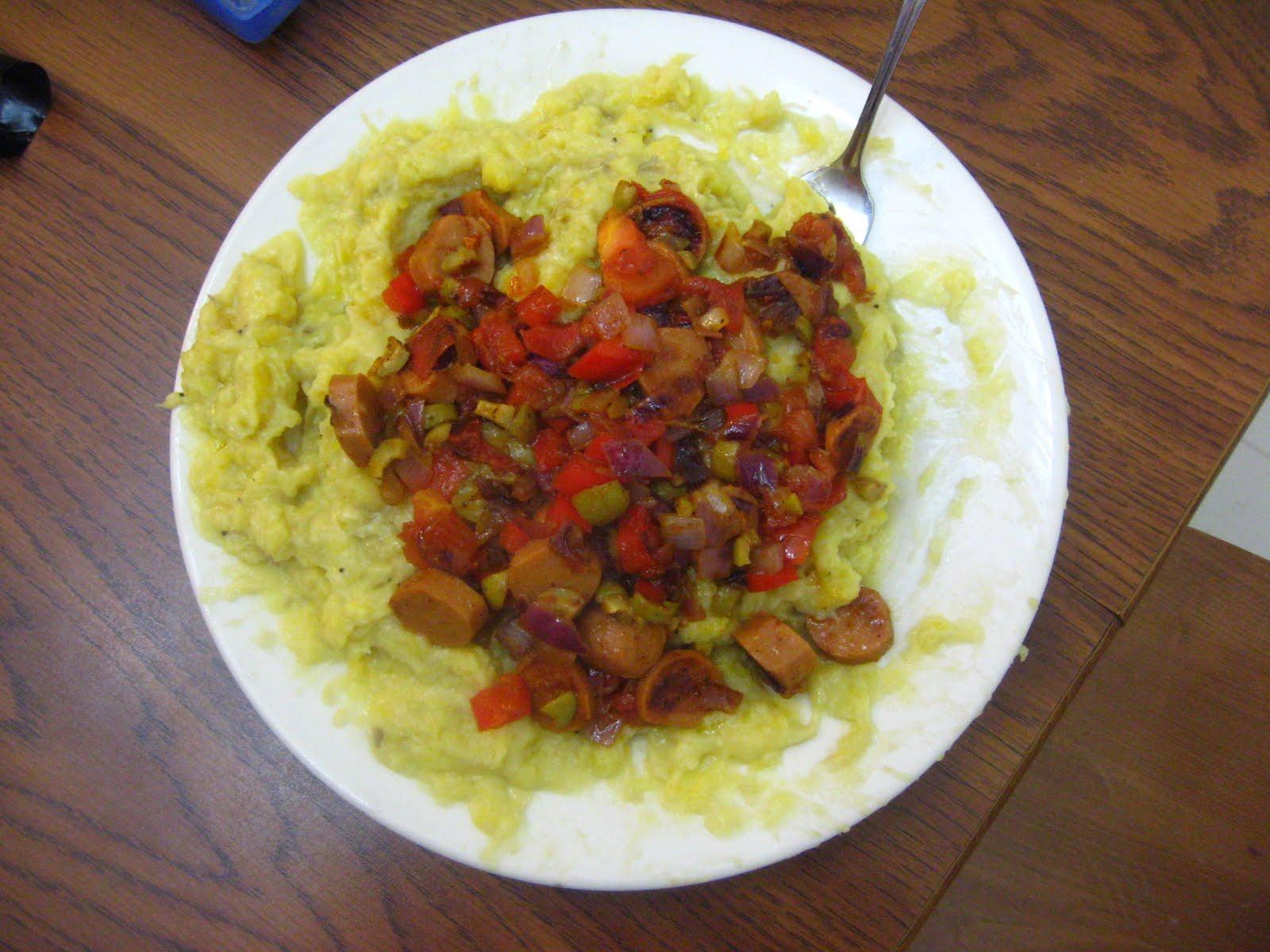
Welcome to the vibrant world of Caribbean cuisine, where flavor, culture, and health intersect in tantalizing ways. The Caribbean islands, known for their breathtaking landscapes and rich heritage, also boast a diverse culinary scene that offers something for every palate. From mouthwatering jerk chicken to zesty seafood dishes, the region’s food reflects a blend of influences—African, European, and Indigenous—that create a unique and irresistible dining experience.
But did you know that Caribbean cuisine can also be a gateway to healthy eating? With an abundance of fresh fruits, vegetables, lean proteins, and whole grains, many traditional dishes are not only delicious but also packed with nutrients. In this article, we’ll explore how you can enjoy the rich flavors of the Caribbean while making mindful choices that benefit your health. Whether you’re a seasoned foodie or new to these exquisite flavors, join us as we uncover recipes and tips to savor the essence of the Caribbean, proving that healthy eating can be a delightful adventure for everyone!
Table of Contents
- Exploring the Rich Flavors of Traditional Caribbean Ingredients
- Nutritional Benefits of Popular Caribbean Dishes
- Healthy Cooking Techniques for Authentic Caribbean Meals
- Creating Balanced Caribbean Plates for Every Diet
- Key Takeaways
Exploring the Rich Flavors of Traditional Caribbean Ingredients
The Caribbean is a vibrant tapestry of flavors, shaped by a rich heritage of culinary traditions that celebrate the region’s natural bounty. From the sun-kissed shores to the lush tropical forests, the ingredients of Caribbean cuisine reflect both the land and the sea. Locally sourced components such as plantains, yam, and callaloo often take center stage, highlighting the area’s agricultural diversity. Spice is a crucial aspect, with allspice, cilantro, thyme, and scotch bonnet peppers offering dishes a depth of flavor that tantalizes the palate. Each meal becomes a canvas, painted with bold colors and seasoning that evokes the essence of island life.
Moreover, the use of fresh seafood elevates the culinary experience to new heights, emphasizing the region’s maritime heritage. Ingredients such as snapper, lionfish, and octopus are frequently grilled or stewed with local spices, enhancing their natural flavors. In addition, unique staples like coconut and mango lend a touch of sweetness and creaminess to various dishes, making them not only delicious but also nutritious.
| Ingredient | Flavor Profile | Health Benefits |
|---|---|---|
| Plantains | Sweet, starchy | High in potassium, fiber |
| Coconut | Rich, creamy | Healthy fats, antioxidants |
| Scotch Bonnet Peppers | Spicy, fruity | Boosts metabolism, high in vitamins |
Nutritional Benefits of Popular Caribbean Dishes
Caribbean cuisine is a vibrant tapestry of flavors and ingredients, many of which boast impressive nutritional benefits. For instance, jerk chicken, seasoned with a blend of spices like allspice and Scotch bonnet pepper, not only tantalizes the taste buds but also packs a punch of antioxidants and anti-inflammatory properties. Similarly, rice and peas, often made with kidney beans, provides a hearty source of protein and fiber, making it a satisfying and healthy side dish. Additionally, dishes like callaloo—a leafy green vegetable—are rich in vitamins A, C, and K, contributing to improved vision, immune health, and bone strength.
Beyond individual dishes, the Caribbean diet emphasizes a variety of fresh fruits and vegetables, contributing to its overall healthfulness. Tropical staples like mango, pineapple, and papaya are not only delicious but also loaded with essential vitamins and minerals, including vitamin C and folate. To illustrate the nutritional benefits of these ingredients, consider the following table:
| Fruit | Key Nutritional Benefits |
|---|---|
| Mango | High in vitamin C, supports immune function |
| Pineapple | Contains bromelain, aids digestion |
| Papaya | Rich in antioxidants, promotes skin health |
This rich array of tropical produce not only enhances the flavor and visual appeal of Caribbean dishes but also fosters a well-rounded, nutritious diet. Whether indulging in a plate of fish escovitch or savoring fresh ceviche, one can relish the knowledge that they are enjoying meals that are as good for the body as they are for the palate.
Healthy Cooking Techniques for Authentic Caribbean Meals
To create authentic Caribbean meals while prioritizing health, incorporating certain cooking techniques can make all the difference. Here are some methods that elevate flavor without compromising nutrition:
- Steaming: This technique preserves the essential nutrients of vegetables and seafood, allowing their natural flavors to shine. Try steaming plantains or callaloo for a vibrant and healthy side dish.
- Grilling: Infuse your meals with a smoky flavor by grilling meats and vegetables. The charred exterior enhances taste and reduces the need for added fats.
- Slow Cooking: Using a slow cooker can tenderize tougher cuts of meat while absorbing flavors from spices and herbs, providing a rich yet healthy dish, such as jerk chicken.
Additionally, opting for fresh, local ingredients can transform your Caribbean culinary experience. Here’s a quick guide to nutritious staples:
| Ingredient | Health Benefits |
|---|---|
| Sweet Potatoes | High in vitamins A and C, great for immune support. |
| Coconut Milk | Rich in healthy fats and ideal for creamy sauces. |
| Fish (like Mahi Mahi) | Excellent source of lean protein and omega-3 fatty acids. |
| Herbs (like Cilantro and Basil) | Add flavor while providing antioxidants and vitamins. |
Creating Balanced Caribbean Plates for Every Diet
Creating balanced Caribbean plates means embracing the region’s rich variety of flavors while ensuring that everyone can enjoy a nutritious meal. Whether you’re vegan, vegetarian, gluten-free, or looking for high-protein options, the Caribbean has something to satisfy every palate. Start with a base of whole grains like brown rice or quinoa, then layer on colorful, sautéed vegetables such as bell peppers, eggplant, and zucchini. To enhance flavor, include a generous helping of fresh herbs like cilantro or thyme, which are staples in Caribbean cooking. Add a source of protein tailored to dietary preferences:
- For vegans: Black beans or lentils are excellent choices.
- For vegetarians: Incorporate grilled tofu or tempeh marinated in jerk seasoning.
- For meat lovers: Consider grilled chicken or fish seasoned with lime and spices.
- For gluten-free options: Stick with beans, quinoa, and assuredly gluten-free grains.
A well-rounded meal also includes a source of healthy fats. Adding slices of avocado or a dash of coconut milk can elevate your dish while providing essential nutrients. For those with a sweet tooth, a tropical fruit salad featuring pineapple, mango, and papaya offers a refreshing finish. Here’s a simple table to help you visualize different components for a balanced Caribbean plate:
| Component | Options |
|---|---|
| Grain Base | Brown Rice, Quinoa, Couscous |
| Protein Source | Black Beans, Grilled Chicken, Tofu |
| Vegetables | Bell Peppers, Spinach, Zucchini |
| Healthy Fats | Avocado, Coconut Milk, Nuts |
| Fruit | Pineapple, Mango, Papaya |
Key Takeaways
Caribbean cuisine offers a vibrant tapestry of flavors, colors, and textures that not only tantalize the taste buds but also promote a healthy lifestyle. With an array of fresh ingredients and wholesome cooking methods, there truly is something for everyone, whether you’re a seafood lover, vegetarian, or simply looking to explore new culinary horizons.
By incorporating elements like fresh herbs, fruits, and vegetables, traditional spices, and lean proteins, you can enjoy the rich traditions of the Caribbean while making nutritious choices that benefit your overall well-being. As you embark on your culinary journey, we encourage you to experiment with recipes, indulge in the diverse flavors, and perhaps discover your own favorites from this exhilarating cuisine.
So why not embrace the warmth and health of the Caribbean today? Dive into these delightful dishes, share them with family and friends, and celebrate the joy of good food that nourishes both body and soul. Happy cooking!