


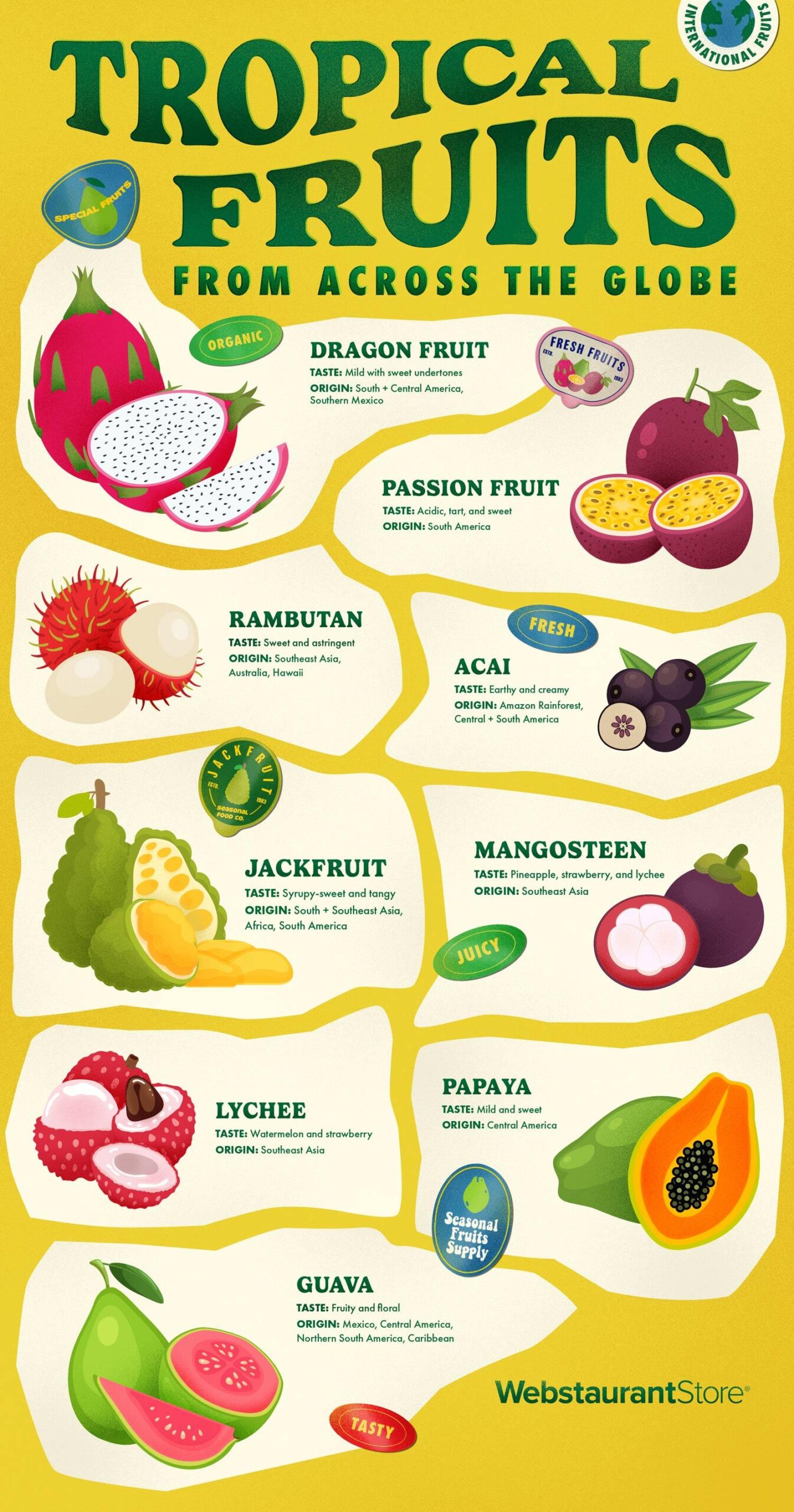
: A Culinary Journey Through Nature’s Bounty
Welcome to a vibrant exploration of the Caribbean’s unique tropical fruits, where lush landscapes and a rich tapestry of cultures converge to create an extraordinary culinary experience. Known for its stunning beaches and crystal-clear waters, the Caribbean also boasts an impressive diversity of fruits that are not only delicious but also steeped in history and tradition. From the sweet, juicy mangosteen to the exotic dragon fruit, each variety tells a story that reflects the region’s biodiversity and agricultural heritage. In this article, we’ll take you on a journey through the Caribbean’s orchards and markets, unveiling the hidden gems of tropical produce that deserve a place on your plate. Whether you’re a seasoned chef, a foodie looking to expand your palate, or simply a curious traveler, join us as we delve into the vibrant world of Caribbean fruits, celebrating their flavors, uses, and the sustainable practices that support their cultivation.
Table of Contents
- Exploring the Flavorful Diversity of Caribbean Tropical Fruits
- A Guide to Sourcing and Selecting the Rarest Fruits in the Region
- Nutritional Benefits of Caribbean Tropical Fruits You Need to Know
- Creative Ways to Enjoy and Incorporate Tropical Fruits in Your Diet
- Wrapping Up
Exploring the Flavorful Diversity of Caribbean Tropical Fruits
Venturing into the vibrant world of Caribbean tropical fruits unveils an array of vibrant colors, tantalizing tastes, and nutritional treasures. Each fruit reflects the region’s rich biodiversity and cultural heritage, making them more than just delicious snacks. Among the most celebrated are:
- Mango: Juicy and sweet, this fruit is often considered the crown jewel of tropical delights.
- Papaya: With its buttery texture, papaya is not only refreshing but also packed with digestive enzymes.
- Guava: Fragrant and often enjoyed in juices or desserts, guava is a tropical powerhouse high in vitamin C.
- Soursop: Known for its creamy pulp and unique flavor, soursop is often used in health drinks and desserts.
- Rambutan: Encased in a spiky skin, this fruit offers a sweet, juicy bite reminiscent of lychee.
Not to be overlooked, each fruit contributes uniquely to local cuisines and traditional dishes. Here’s a glimpse of how these fruits are incorporated creatively into meals:
| Fruit | Culinary Use |
|---|---|
| Mango | Mango salsa or chutney |
| Papaya | Fruit salads and smoothies |
| Guava | Guava paste in pastries |
| Soursop | Soursop ice cream |
| Rambutan | Fresh fruit salads |
A Guide to Sourcing and Selecting the Rarest Fruits in the Region
When it comes to sourcing the rarest tropical fruits in the Caribbean, the key is to immerse yourself in the local culture and landscape. Visiting vibrant farmers’ markets is a fantastic starting point, where you can connect with local growers who may be cultivating unique varieties not found in mainstream grocery stores. Look for handwritten signs and personal recommendations; often, these can lead you to hidden gems like the Jamaican Ackee or Carambola (Starfruit). Keep an eye out for unusual textures and colors, as the most extraordinary fruits often feature striking visual appeal. Here are some tips to consider while on your fruit-hunting journey:
- Engage with Local Vendors: Ask questions about unusual items on display.
- Visit Community Orchards: Some may allow you to pick fruits directly from the trees.
- Explore Remote Areas: Off-the-beaten-path locales can yield surprising finds.
Once you’ve sourced these rare tropical fruits, the next step is selecting them with care. Each variety has its own ripeness indicators. For instance, the Rambutan should feel slightly soft to the touch, while Durian, known for its distinct aroma, should have a few crack lines on its shell when ripe. Consider creating a simple reference table to help you remember the characteristics of each fruit you encounter:
| Fruit | Ripeness Indicators |
|---|---|
| Rambutan | Slightly soft to touch, vibrant red skin |
| Durian | Cracked shell, strong aroma |
| Akee | Color changes from green to yellow-red |
| Carambola (Starfruit) | Golden yellow with a slight give when pressed |
By considering both sourcing and selection strategies, you’ll not only enrich your culinary endeavors but also gain an appreciation for the rich biodiversity that the Caribbean region has to offer. Happy fruit hunting!
Nutritional Benefits of Caribbean Tropical Fruits You Need to Know
The Caribbean is home to a vibrant array of tropical fruits, each bringing a unique set of nutritional advantages that can contribute significantly to a healthy diet. Mangoes, for instance, are not just deliciously sweet; they are high in vitamin A, promoting eye health and boosting the immune system. In addition, papayas are a treasure trove of digestive enzymes, particularly papain, which aids digestion while being rich in antioxidants that help combat free radicals in the body. Their bright orange flesh is also an excellent source of vitamin C, essential for skin health and collagen production.
Another standout is the soursop, often celebrated not only for its flavor but also for its impressive nutrient profile. It is packed with vitamin B to support nervous system function and potential anti-cancer properties. Other fruits like guanabana provide a combination of minerals such as potassium and magnesium, which play crucial roles in maintaining cardiovascular health. Furthermore, passion fruit boasts high levels of fiber, aiding digestion and helping to maintain a healthy weight. Here is a summary of some of the nutritional benefits:
| Fruit | Nutritional Benefits |
|---|---|
| Mango | High in vitamin A and C, supports immune health |
| Papaya | Rich in digestive enzymes and antioxidants |
| Soursop | Contains vitamin B, potential anti-cancer properties |
| Passion Fruit | High in fiber, aids digestion, promotes weight management |
Creative Ways to Enjoy and Incorporate Tropical Fruits in Your Diet
Incorporating tropical fruits into your diet can be a delightful journey for both your taste buds and your health. Consider experimenting with fresh tropical salsas by combining diced mango, pineapple, and papaya with red onion, cilantro, and a splash of lime juice. This vibrant mixture works beautifully as a topping for grilled fish or as a refreshing dip with tortilla chips. Another exciting idea is to create tropical smoothie bowls featuring a base of blended bananas, coconut milk, and your choice of fruits like passion fruit or guava, topped with chia seeds, shredded coconut, and hemp hearts for an energizing breakfast or snack.
Don’t overlook the potential of using tropical fruits in savory dishes! Think about adding sliced jicama and tangerines into your salads for a crunchy and refreshing twist. Mixing diced avocado with tropical flavors like dragon fruit can elevate your guacamole to new heights, adding a splash of color and a subtle sweetness. For something unique, try crafting a caribbean fruit chutney with diced mango, vinegar, ginger, and chili flakes to serve alongside roasted meats or as a bold condiment for sandwiches. Embrace these flavors and watch your meals transform into a tropical paradise!
| Fruit | Best Uses | Nutritional Benefits |
|---|---|---|
| Mango | Salsas, Smoothies, Desserts | Rich in Vitamin C, A, and antioxidants |
| Pineapple | Grilled dishes, Juices, Tarts | Supports digestion and boosts immunity |
| Guava | Salads, Smoothies, Jams | High in fiber, Vitamin C, and folate |
| Passion Fruit | Smoothies, Desserts, Sauces | Loaded with vitamins and antioxidants |
Wrapping Up
As we wrap up our journey through the vibrant world of unique tropical fruits from the Caribbean, it’s clear that this region is a treasure trove of flavors and experiences waiting to be explored. From the sweet tang of rambutan to the exotic allure of sapodilla, these fruits not only enrich our palates but also offer a glimpse into the rich agricultural traditions and diverse ecosystems of the islands.
Whether you’re planning a trip to the Caribbean, seeking to incorporate these unique fruits into your culinary repertoire, or simply yearning to broaden your knowledge of tropical produce, we encourage you to dive deeper into the delightful world of these fruits. Don’t hesitate to visit local markets and engage with farmers – the stories behind these fruits are often as delectable as their tastes.
As you venture forth, keep your senses open to the vibrant colors, enticing aromas, and unique textures of the Caribbean’s bounty. Each fruit tells a story, and by sampling them, you become a part of that narrative. So, the next time you find yourself at a market or dining at a Caribbean restaurant, take a moment to savor not just the taste, but the rich culture and history that accompany these remarkable fruits.
Thank you for joining us on this flavorful exploration. Until next time, may your culinary adventures be as bold and colorful as the fruits of the Caribbean!