


by Curlan Campbell
- Dr Da Breo advocates for greater protection of children from abuse
- Symptoms of psychosis resulting from child abuse can resemble those of spirit possession
- Drawing, painting, and music are effective treatments for dysfunction due to trauma
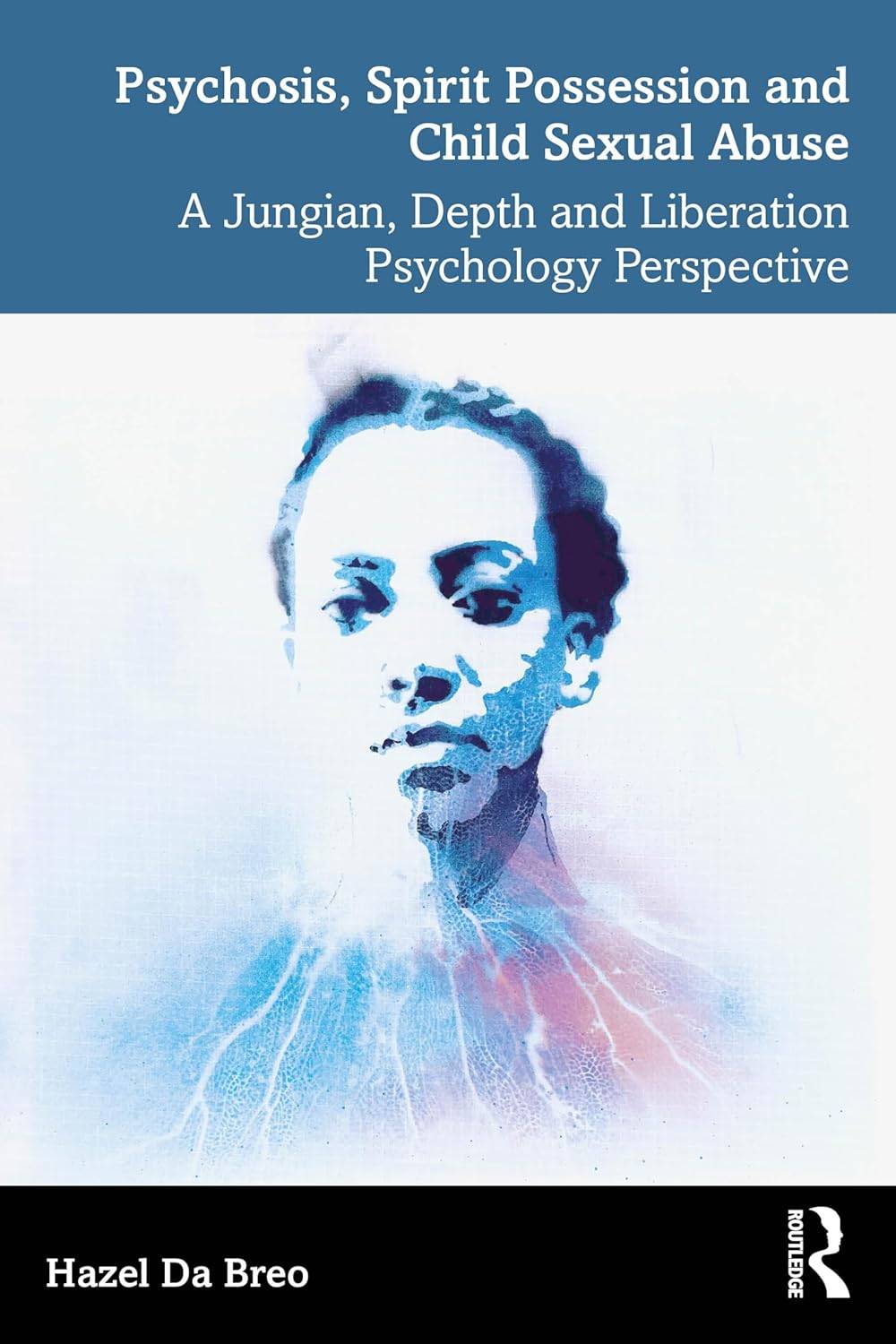
In her new book, “Psychosis, Spirit Possession, and Child Sexual Abuse,” Dr Hazel Da Breo argues that the symptoms of psychosis resulting from child abuse can resemble those of spirit possession, which may lead to misdiagnosis.
“If a person has been violently abused for an extended period, it can lead to severe mental health breakdowns,” Dr Da Breo states. “These breakdowns can manifest in various ways. For some, the impact is subtle, leading to internal struggles such as suicidal thoughts, withdrawal, depression, and anxiety. Others may react outwardly, becoming aggressive, hyperactive, or contentious. In such cases, people may look at them and wonder, “What happened to you?” They might label this behaviour as spirit possession.”
Drawing on over 15 years of case studies, psychologist Dr Da Breo aims to demystify the effects of child sexual abuse on mental health. Her publication examines the psychological claims associated with spirit possession and psychosis as they relate to child sexual abuse, intimate partner violence, and poor mental health, with patients often exhibiting symptoms such as auditory or visual hallucinations in these cases.
These effects can lead to misunderstandings that result in patients receiving incorrect treatment and intervention. The book also explores how internalised colonial trauma and feelings of powerlessness are projected onto scapegoats, particularly concerning survivors of sexual violence in both clinical and community settings.
“The way a person expresses their trauma — whether through emotional or physical symptoms — can influence how others perceive their condition,” Dr Da Breo explains. “It’s essential for psychologists to dig deeper and understand these symptoms, as they can resemble psychosis or other issues. The goal is to focus on the underlying causes to facilitate effective healing and treatment.”
Utilising Jungian and Fanonian theories, alongside political history and case study analysis, the study primarily focuses on populations in the Global South while also addressing broader implications for victims of oppression worldwide. It explores how personal and cultural factors influence individuals’ perceptions of supernatural or internal control and their desire for such control.
“Research shows that when neurocognitive function begins to decline, it may indicate that the brain is so traumatised that it isn’t functioning properly. This can lead to dissociation and a loosening of associations. One effective approach in these cases is art therapy, which has proven to be beneficial for addressing trauma and promoting healing.”
Dr Da Breo recommends art therapy, including drawing, painting, and music, as an effective treatment, especially for those with neurocognitive dysfunction due to trauma. The art therapies assist with sensory integration, but if there is an advanced psychosis, a medical team may need to prescribe a course of medication as well. “The route you take will depend upon the diagnosis you receive, which is why it is so important to correctly understand what is going on with your patients.”
“There’s a book I’d like to refer you to called Art Therapy for Psychosis. It uses drawing, painting, and music, and has been employed in Scotland, England, and America for years as a means of reaching people who are otherwise unreachable by conventional methods. Some people in mental institutions may sit silently and not speak for months at a time. It has been discovered that music has the capacity to reach them and help bring them back to reality. Sensory integration means not relying solely on logic and words, but on what you can see and hear to help restore a sense of wholeness,” Dr Da Breo explained.
Additionally, Dr Da Breo advocates for greater protection of children from abuse, emphasising the societal cost of inaction and the importance of bystander mobilisation to prevent child suffering. “I’d like readers to understand that children need more protection than they currently receive, as the normalisation of child abuse remains a cultural issue. It’s crucial to listen to the victims, who often reveal that someone always knew, but chose not to act. I have a chapter titled Bystander Mobilisation that addresses the fears people have about speaking up for various reasons, but the cost to society when children are left to suffer is far too high.”
While acknowledging the belief in spirits, Dr Da Breo emphasises that most cases of distressed behaviour, such as screaming, acting out, or self-harm, can be explained psychologically. She argues that psychological interventions are crucial in helping these individuals, rather than attributing their distress to spirit possession without thorough evaluation.
Dr Da Breo suggests that if spirit possession is truly the issue, it will become evident, and then religious intervention may be appropriate. She stresses the importance of using psychological tools to alleviate suffering and improve treatment effectiveness. “I am not saying that spirit possession doesn’t exist; I am profoundly religious and I do believe in the spirit world. However, as a psychologist, I’ve encountered only one case in my entire career,” she stated. “That said, psychology often provides a clear explanation for what is happening with the person. While I acknowledge that spirits may exist, I believe that, in most cases, there is a psychological explanation for the distress. If we fail to follow the proper protocols for addressing these psychological issues, we leave individuals in pain, which is unjust.”
“It’s essential that we learn the tools needed to help people who seem to be experiencing psychosis or feel that they are possessed. If it turns out they are indeed possessed, we can direct them toward the appropriate spiritual guidance. However, psychology does offer effective methods for addressing these issues.”
Dr Da Breo is available at [email protected].