


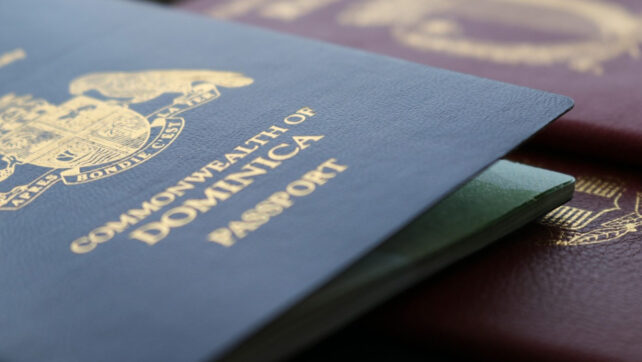
The European Union is considering tightening its visa policies, a move that could have significant implications for Dominica and other nations offering Citizenship by Investment (CBI) programs. The European Parliament’s Committee on Civil Liberties, Justice, and Home Affairs (LIBE) recently voted 41 to 10 in favor of amending EU visa regulations, specifically targeting countries that grant citizenship in exchange for investments. This decision was outlined in a report that aims to revise the Visa Suspension Mechanism (VSM).
The proposed amendments highlight concerns about visa-free travel being exploited to attract investors through CBI programs. The European Commission has updated the visa suspension mechanism, adding reasons to justify suspending visa-free access for countries with visa waiver agreements. According to the report, nations running CBI schemes often fail to conduct thorough security checks and due diligence, which could pose risks such as money laundering and corruption for EU citizens. The amendments emphasize that citizenship granted without a genuine connection to the issuing country undermines the integrity of visa-free travel.
If implemented, the changes could jeopardize visa-free EU access for third countries with active CBI programs, including Caribbean nations like Dominica, Antigua and Barbuda, Grenada, Saint Kitts and Nevis, and Saint Lucia. The investor citizenship schemes listed in Annex II of Regulation (EU) 2018/1806 currently allow non-EU nationals to travel to the EU without visas, a privilege now under scrutiny.
The LIBE Committee’s report stresses the European Union’s respect for the sovereignty of third countries in determining their naturalization procedures. However, it argues that such programs should not compromise EU security or external relations. Grounds for triggering the suspension mechanism include a rise in serious criminal offenses linked to nationals of the concerned country or increased irregular migration to the EU.
Critics of “Golden Passport” programs, prevalent in both EU and non-EU countries, have long raised concerns over their potential misuse. While these schemes significantly contribute to local economies, they have been associated with irregularities such as corruption and criminal activity.
The European Parliament’s proposed amendments come amid growing scrutiny of CBI programs worldwide. The report on the revision of the visa suspension mechanism was published earlier this month, signaling possible stricter oversight and consequences for nations leveraging CBI programs to attract foreign investment. For Dominica and its Caribbean neighbors, this decision could reshape the future of visa-free travel to the EU.