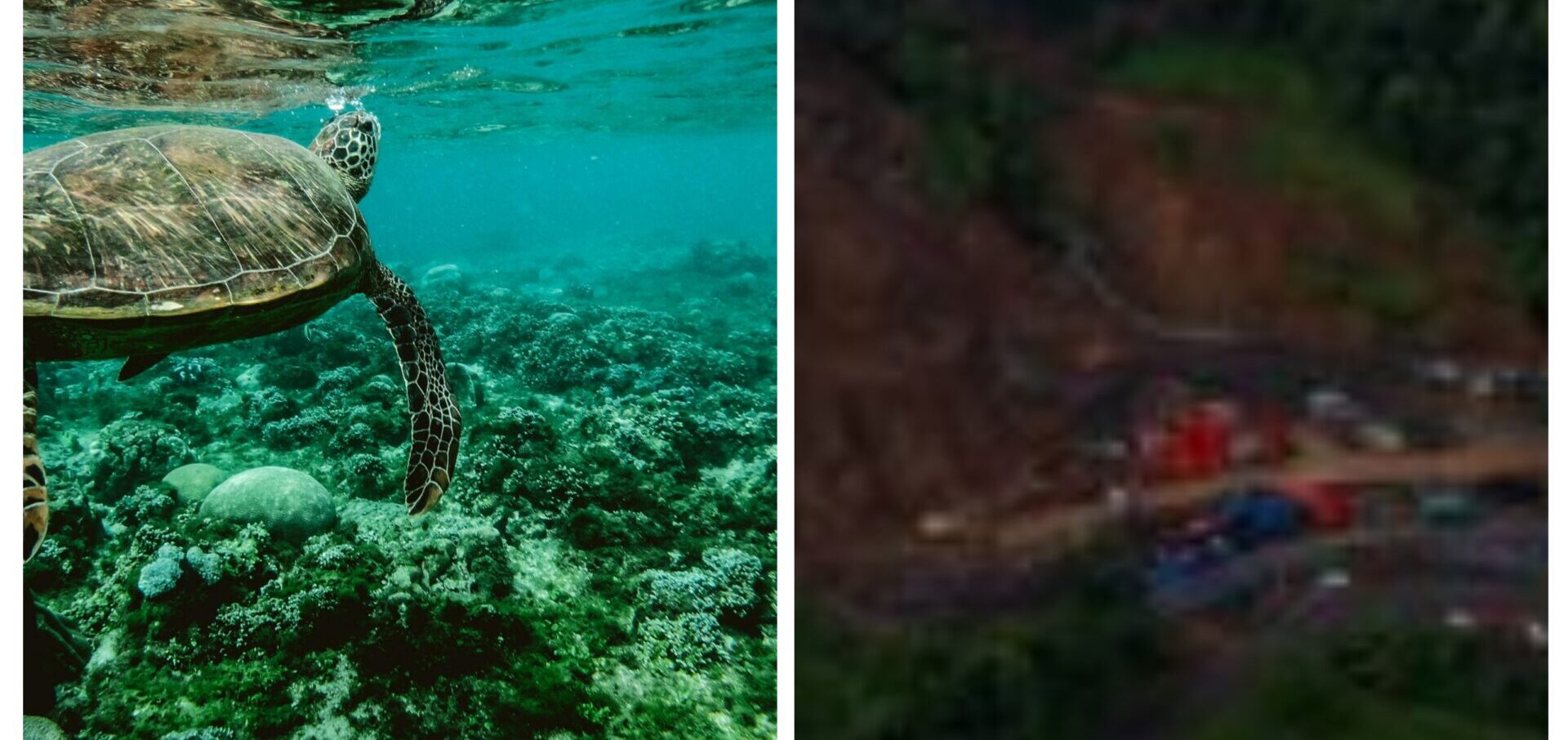

The Dominica Hotel & Tourism Association (DHTA) has voiced serious concerns regarding two pressing environmental challenges that it says threaten the island’s natural treasures, its tourism appeal, and its long-term ecological and economic sustainability.
The organization’s recent written statement is the latest in a series of public calls from various parties addressing what is being characterized as questionable practices linked to developmental construction projects on the island and their environmental impact.
Namely, the group said that these issues involve, firstly, the suspected environmental effects of mining activities in the Deux Branches region, and secondly, the continuous release of sediment-rich water from the northern marina project into the surrounding sea. It added that this discharge has already impacted several renowned dive sites and poses a danger to delicate coral ecosystems.
The DHTA pointed out that Dominica’s natural environment is the cornerstone of its thriving tourism sector, the livelihoods of local communities, and the nation’s identity. Any activity that deteriorates water quality, damages coral reefs, or compromises natural habitats can have extensive repercussions for the population and the economy alike.
Concerning the mining operations in Deux Branches, DHTA indicated that community members and stakeholders have reported that such activities may be contributing to increased sedimentation, contamination of waterways, and the destabilization of nearby ecosystems. Of particular concern is the potential effect on the Kalinago community, whose lands and resources may be affected.
Although current reports suggest that mining activities in the area have been temporarily halted, the organization is still urging authorities to undertake a transparent, science-based evaluation of the environmental impacts, ensuring that all necessary protective measures are thoroughly considered and enforced.
Equally troubling, leverages DHTA, is the issue of sediment discharge from the northern marina development. The release of water laden with sediments has reportedly reduced visibility and caused sediment to settle on nearby reefs. According to the Association, dive operators and marine experts have observed adverse effects at several prominent sites, including One Finger, Five Fingers, Nadine, and Rose Garden.
“These reefs represent some of Dominica’s healthiest and most resilient marine ecosystems—having withstood bleaching events, coral disease, and rising temperatures in recent years. They are central to the dive tourism sector, support community employment in Portsmouth and beyond, and contribute significantly to Dominica’s “Nature Island” brand,” reads the statement.
Sedimentation poses a serious threat to coral reefs by smothering corals and sponges, obstructing sunlight, and decreasing biodiversity. Long-lasting or irreversible ecological harm can result from even brief periods of stress, highlighting what the Association says is the urgent need for effective sediment control strategies during all stages of construction and development.
Under Dominica’s Physical Planning Act, projects of this nature are required to obtain prior approval and, where relevant, undergo Environmental Impact Assessments (EIAs). These assessments are essential tools intended not to obstruct development but to promote responsible growth by identifying potential risks and recommending appropriate mitigation strategies. The DHTA advocates for strict compliance with these processes, emphasizing that they support community well-being and ensure the sustainable success of development initiatives.
The Association makes the case for authorities to prioritize clear communication with impacted communities and stakeholders, enforce consistent environmental standards across both public and private projects, and implement timely mitigation measures to prevent further damage to rivers and marine ecosystems.
It also stresses the importance of collaboration among environmental organizations, marine biologists, dive professionals, and local residents to effectively safeguard the island’s natural assets. Adherence to existing planning and environmental protocols—such as securing development permissions and conducting EIAs—is vital. These mechanisms foster transparency, early detection of issues, and decisions grounded in scientific evidence, ultimately protecting both the environment and the industries that depend on it, says the group.
“Dominica cannot afford to compromise its core natural assets,” asserts Kitwani Ferreira, President of the DHTA. “Our rivers, reefs, and ecosystems are not only environmental treasures—they are economic lifelines. We believe that responsible development and environmental protection must go hand in hand, and we stand ready to work with government, developers, and all partners to support that balance.”
As an advocate for sustainable tourism, the DHTA added that it is committed to collaborating with the government, developers, and local communities to promote growth that preserves the island’s natural heritage, ensuring that progress does not come at the expense of Dominica’s unique ecological identity.